


Have you noticed the influx of athletes at Sheddon lately?
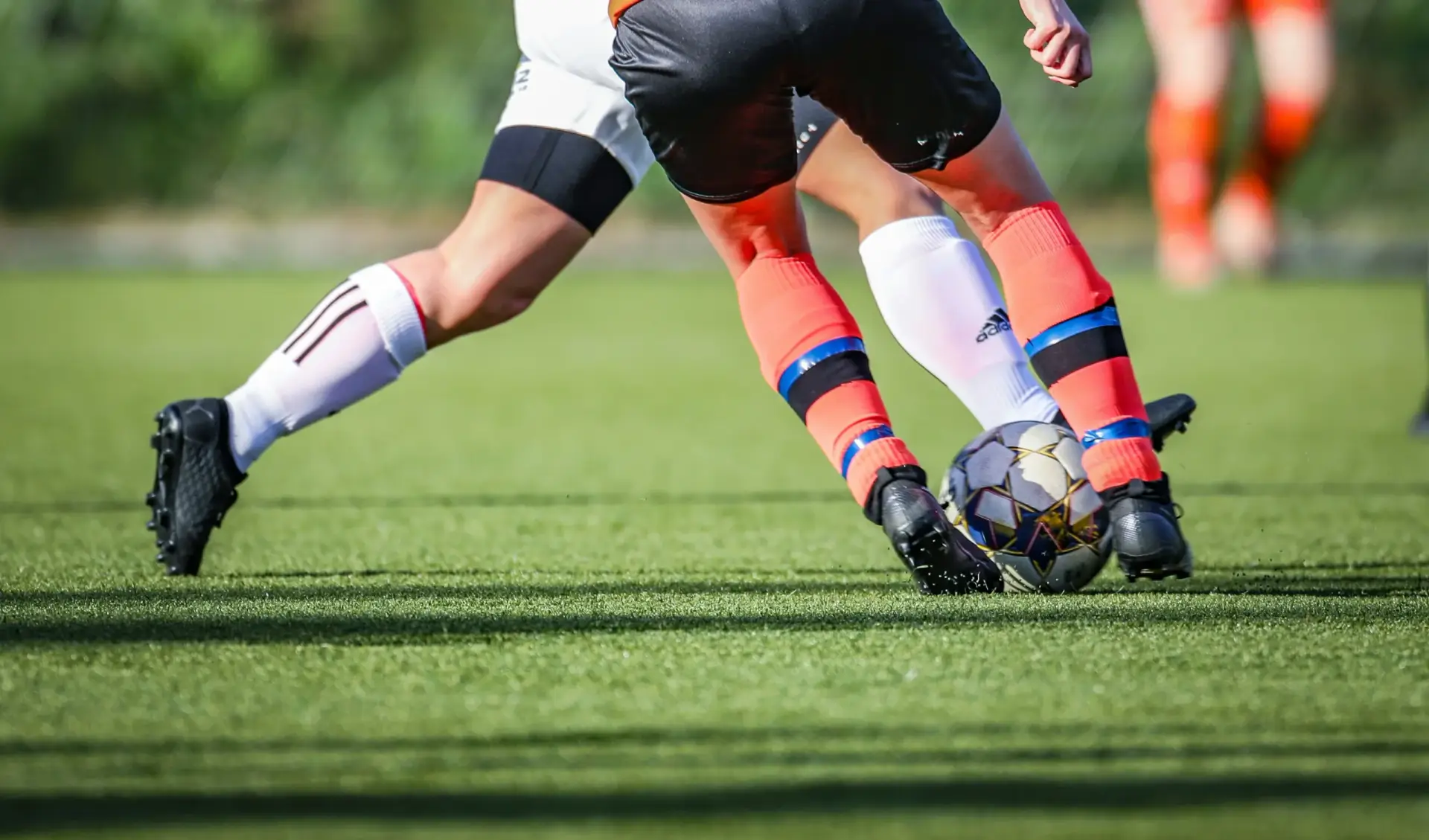
September is always a busy time of year at Sheddon Physiotherapy and Sports Clinic in Oakville, with athletes and teams getting ready for their upcoming seasons. From hockey players and soccer players to football, basketball and other competitive athletes, we’re seeing plenty of athletes come through the clinic for one important part of their preseason preparation:
Concussion Baseline Testing.
You may have heard the term baseline testing before, but what exactly is it, and why are so many athletes completing one before their season begins?
Before we get into that, let’s see how much you already know.
Test Your Concussion Knowledge
Think you know concussion baseline testing? Test yourself!
Question 1
What is the main purpose of a concussion baseline assessment?
A. To determine whether an athlete will get a concussion
B. To establish how an athlete functions when healthy
C. To determine whether an athlete is ready for their sport
D. To prevent concussions from occurring
Question 2
When is the ideal time to complete a concussion baseline assessment?
A. Immediately after a concussion
B. During an athlete’s first game of the season
C. When the athlete is healthy and symptom-free
D. Only after an athlete has had multiple concussions
Question 3
Which of the following can be affected by a concussion?
A. Balance
B. Memory and concentration
C. Reaction time and symptoms
D. All of the above
Question 4
True or False: A baseline test can diagnose a concussion on its own.
A. True
B. False
Question 5
Which statement about concussion baseline testing is most accurate?
A. It guarantees an athlete will recover quickly after a concussion
B. It replaces a clinical concussion assessment
C. It provides pre-injury information that may be useful when evaluating an athlete after a concussion
D. It determines whether an athlete can safely return to play immediately after a head injury
How did you do?
Check Your Answers
1. What is the main purpose of a concussion baseline assessment?
✅ B — To establish how an athlete functions when healthy.
A baseline provides a snapshot of an athlete’s normal function before a potential concussion.
2. When is the ideal time to complete a baseline assessment?
✅ C — When the athlete is healthy and symptom-free. Ideally at the beginning of the season.
The goal is to capture the athlete’s typical performance before an injury occurs.
3. Which of the following can be affected by a concussion?
✅ D — All of the above.
Concussion can affect symptoms, balance, memory, concentration, reaction time and other areas of function.
4. True or False: A baseline test can diagnose a concussion on its own.
✅ B — False.
Baseline testing is not a stand-alone diagnostic tool. It is one piece of information that can be considered alongside a clinical assessment.
5. Which statement about concussion baseline testing is most accurate?
✅ C — It provides pre-injury information that may be useful when evaluating an athlete after a concussion.
Having information about how an athlete functioned when healthy gives healthcare professionals another reference point if a concussion occurs.
How many did you get right?
If you missed a few, don’t worry—you’re not alone! Keep reading to learn what concussion baseline testing actually measures, why it can be useful, and what it can—and cannot—tell you about an athlete’s concussion.
What Is a Concussion Baseline Test?

A concussion baseline assessment is performed when an athlete is healthy and provides a snapshot of their normal performance before a potential concussion occurs.
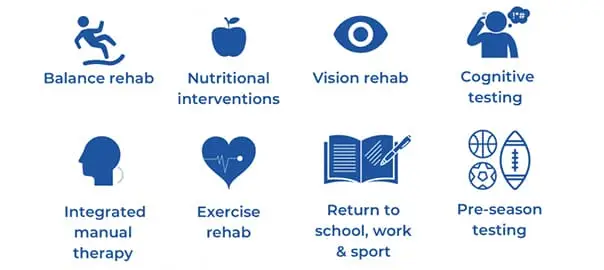
Baseline testing looks at areas such as:
- Concussion-related symptoms
- Cognitive function
- Memory and concentration
- Balance
- Reaction time
- Delayed memory and more
The goal isn’t to determine whether an athlete is “good” or “bad” at these tasks. The goal is to understand what is normal for that individual athlete.
Why Is a Baseline Useful?
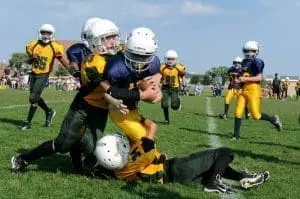
Imagine an athlete suffers a head impact during a hockey game. They report feeling fine afterward, but several hours later they develop a headache, dizziness and difficulty concentrating.
A healthcare professional evaluating that athlete now has information about their current symptoms and performance. If a valid baseline assessment is available, it can provide an additional reference point for understanding how the athlete was functioning before the injury.
This is particularly useful because concussion can affect different people in different ways. One athlete may experience headaches and dizziness. Another may notice problems with concentration, balance or visual tasks. Someone else may primarily report fatigue or feeling “foggy.”
Having pre-injury information gives clinicians another piece of the puzzle.
A Baseline Doesn’t Predict Whether You’ll Get a Concussion
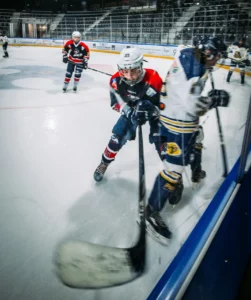
This is one of the most important things to understand. A baseline assessment does not tell an athlete whether they are going to suffer a concussion. It also doesn’t prevent a concussion. Think of it as a snapshot, not a crystal ball. The purpose is to document how an athlete is functioning when healthy so that information may be available for comparison if a concussion occurs.
“But I’ve Never Had a Concussion”
That’s exactly when baseline testing can be useful. You don’t need to have a history of concussion to establish a baseline. In fact, establishing a baseline while an athlete is healthy means there is pre-injury information available if an injury occurs later. For younger athletes, baseline testing can also be repeated over time as they grow, develop and their performance changes.
Which Athletes Should Consider Baseline Testing?
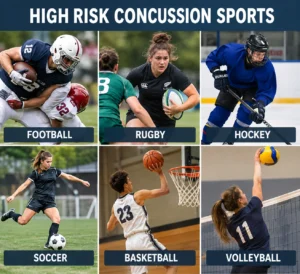
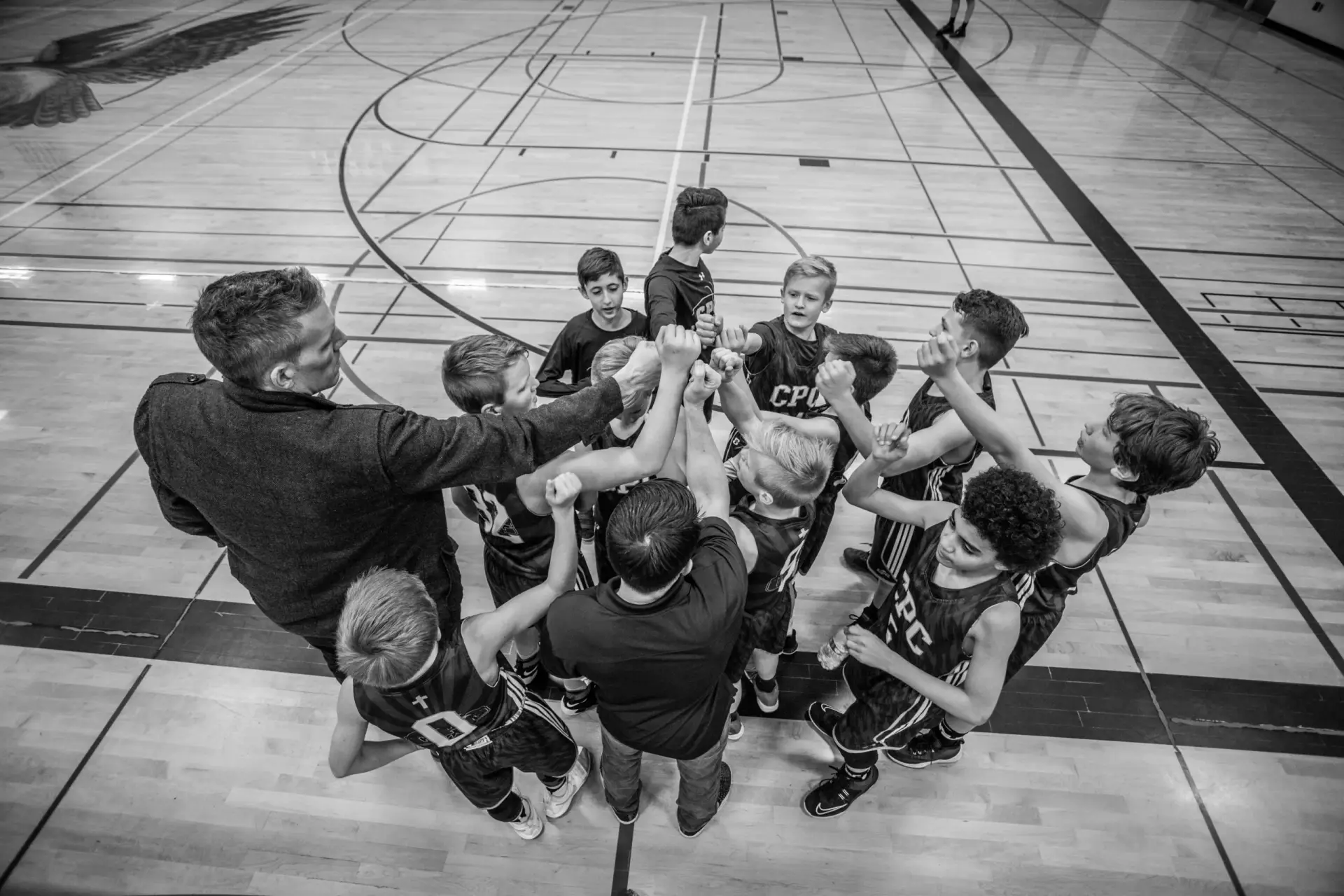
Baseline testing may be particularly relevant for athletes participating in sports where there is a greater opportunity for head impacts or collisions.
This can include:
🏒 Hockey
🏈 Football
⚽ Soccer
🥍 Lacrosse
🏀 Basketball
🏐 Volleyball
⛷️ Skiing and snowboarding
🥋 Martial arts and other combat sports
What Happens During a Baseline Assessment?
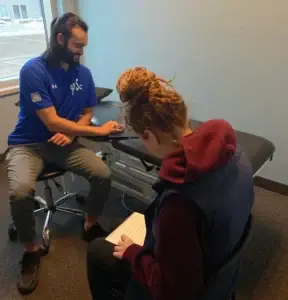
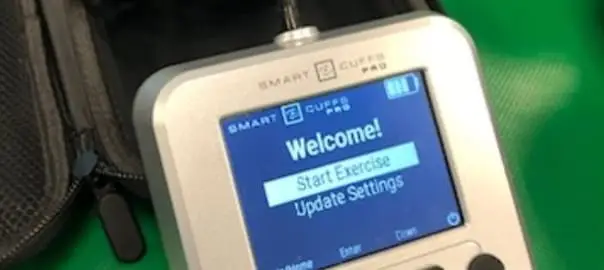
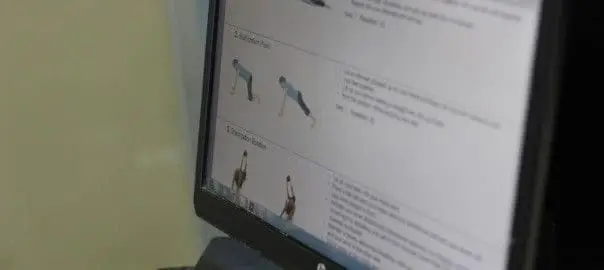
One of the biggest misconceptions is that a concussion baseline is simply a “computer test.” In reality, concussion assessment involves multiple areas of function.
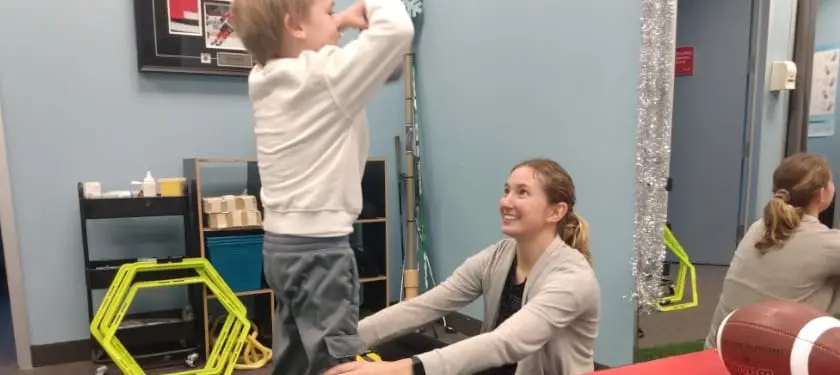
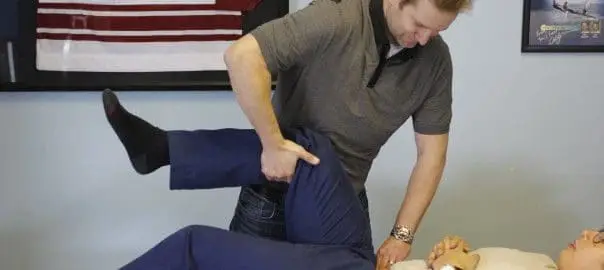
At Sheddon, baseline testing includes:
- Balance;
- Concentration;
- Memory (short and long term);
- Reaction time;
- Neurocognitive performance;
- and visual processing.
The athlete completes the assessment when healthy, allowing their results to be documented before an injury occurs. There is no need to study for the test. You simply need to be yourself on a normal, healthy day.
What Happens If an Athlete Later Has a Concussion?
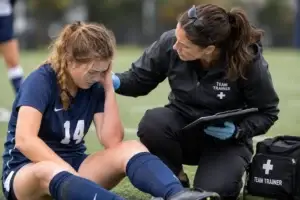
If an athlete sustains a suspected concussion, they should be removed from play and assessed by an appropriate healthcare professional.
The baseline information may then be considered alongside:
- Current symptoms
- Clinical examination findings
- Cognitive and physical performance
- Balance and coordination
- Visual and vestibular function
- The athlete’s medical and injury history
- Their progression throughout recovery
The baseline is therefore one piece of the overall clinical picture, rather than the deciding factor on its own.
Baseline Testing Isn’t About “Passing” or “Failing”
This is another common misconception. There isn’t a grade of “A” or “F.” The goal is not to see whether an athlete can outperform their teammates. It’s about establishing their own individual baseline. Athletes differ in age, experience, physical abilities, learning history and many other factors. Their baseline should therefore be viewed as information about that athlete, rather than a competition.
Why Do Baseline Testing Before the Season?

The best time to establish a baseline is when the athlete is healthy and symptom-free. For many athletes, that makes preseason an ideal opportunity.
September is already a month filled with:
- New sports seasons
- New teams
- New schedules
- Increased training
- Tryouts and practices
- Competition
Adding concussion preparedness to the preseason checklist can help athletes and parents be proactive rather than waiting until an injury occurs.
Interested in Concussion Baseline Testing?
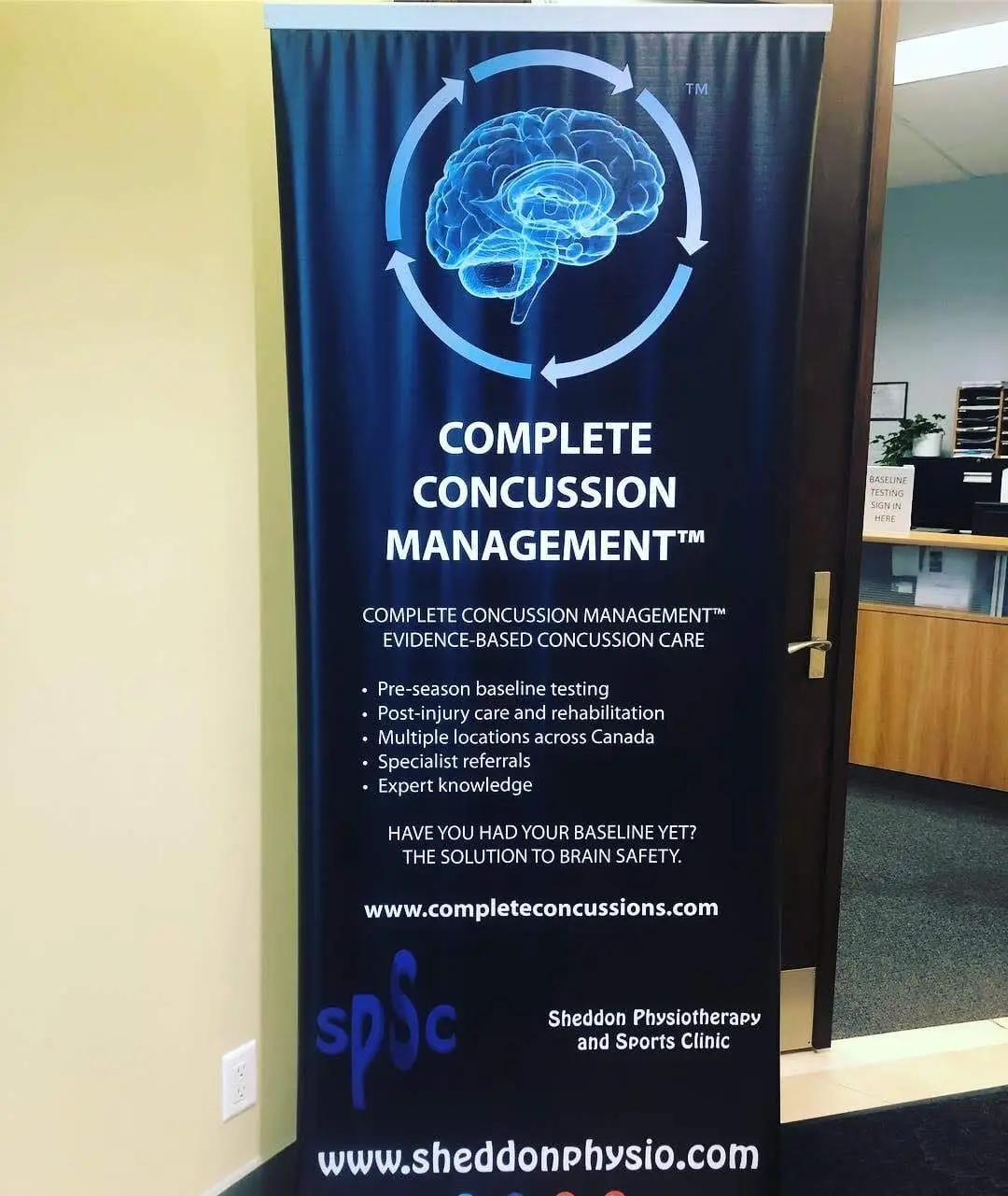
At Sheddon Physiotherapy and Sports Clinic in Oakville, our team provides concussion baseline testing for athletes and teams. Whether you’re a hockey player, football player, soccer player, or participate in another sport, preseason is a great time to get prepared.
Contact Sheddon Physiotherapy and Sports Clinic to learn more about concussion baseline testing and how it can fit into your preseason preparation.
Frequently Asked Questions
Will the cost be covered through my insurance?
The cost of the baseline is covered under most Extended Health Plans since it is administered by a physiotherapist.
My child had a baseline done over a year ago, why should we do it again?
As young athletes mature, their baseline scores can change greatly from one year to the next. Therefore, it is recommended that athletes get a baseline at the beginning of each season.
My team did the impact test preseason, isn’t that good enough?
No! Computerized neuropsychological tests, such as the ImPACT test are only assessing one aspect of concussions, neurocognitive function. In order to properly manage concussions a baseline test must be multidimensional, assessing the full spectrum of concussion outcomes (i.e., balance, reaction time, visual processing, physical capacity AND neurocognitive function).
It’s not mandatory for my childs team, why should I do it?
Concussion baseline tests are becoming widely used in many sports at all levels. Although not mandatory (yet) in all high-risk sports, it is one of the most important and effective tools for concussion management. Without a baseline test there is no way to accurately know when an athlete has fully recovered from a concussion. Research has shown that concussion symptoms improve much sooner than brain recovery, which may put athletes at risk for returning to sport too quickly, especially if sport clearance is based solely on symptoms.
Do we have to come with a team?
We offer athletes the opportunity to come on a specific “concussion baseline day” at a discounted rate, but if you cannot fit that into your schedule then any of our therapists can complete the baseline on a date that works for you.
How can I prepare for the Baseline Test?
To ensure you perform your best during the concussion baseline test, aim for a good night’s sleep before the test, as fatigue can affect your cognitive performance.