




An ACL tear can be one of the most frustrating injuries an athlete can experience. Recovery can take months, and returning to sport requires much more than simply getting the knee moving again.
But there is encouraging news:
a growing body of research shows that structured injury-prevention programs can reduce the risk of ACL injury.
The most effective programs don’t rely on one magic exercise. Instead, they combine:
Strength;
Neuromuscular control;
Plyometrics;
Balance;
Jumping and landing skills;
And sport-specific movement training.
Wondering what you can do to protect your ACL?
Learn more about the exercises, training strategies and movement skills that can help reduce injury risk and keep you doing the sports you love.
What Is an ACL Injury?
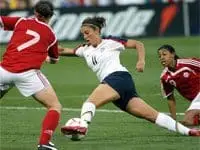
The anterior cruciate ligament (ACL) is one of the major stabilizing ligaments inside the knee. It helps control the movement and rotation of the knee during activities such as running, jumping, landing, cutting and pivoting.
ACL injuries can happen during contact, but many occur without direct contact with another player. Rapid changes of direction, landing from a jump and other high-demand movements can place substantial loads on the knee.
Can ACL Injuries Be Prevented?
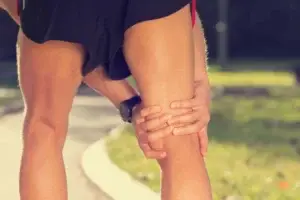
We cannot guarantee that an athlete will never tear their ACL. Injury risk is influenced by many factors, including the athlete’s individual characteristics, previous injuries, sport, training, and the demands placed on the body during competition.
However, there is strong evidence that exercise-based ACL prevention programs can significantly reduce this risk.
A 2025 systematic review and meta-analysis found that athletes who participated in ACL injury-prevention programs had a substantially lower risk of ACL injury compared with those who did not participate in these programs. A separate 2025 meta-analysis focusing specifically on female athletes also found that neuromuscular training significantly reduced the risk of ACL injury.
Together, this research highlights an important message for athletes and coaches: while ACL injuries cannot always be prevented, targeted training can help reduce the risk.
Neuromuscular Training Is at the Centre of Prevention
One of the strongest trends in current ACL research is neuromuscular training. Neuromuscular training isn’t one specific exercise. It refers to programs that challenge an athlete’s ability to control and produce force during movement.
Depending on the athlete and sport, a program may include:
- Lower-body strengthening
- Single-leg exercises
- Balance and proprioception
- Plyometrics
- Jumping and landing
- Agility
- Deceleration
- Change-of-direction exercises
- Sport-specific movement
Research has shown that neuromuscular training programs could reduce ACL injuries in female athletes by up to 50%. The important takeaway is that prevention isn’t about one exercise. It’s about preparing the athlete to control their body under the demands of sport.
Strength Is Important—but It’s Only One Piece

Strength training is an important component of ACL prevention, but current research supports looking beyond isolated muscle strength.
Athletes need to be able to use their strength while:
- Landing from a jump
- Absorbing force
- Running at speed
- Stopping quickly
- Cutting
- Reacting to another player
- Changing direction
This is why modern ACL prevention programs combine strengthening with movement-based training.
Plyometrics and Landing Training
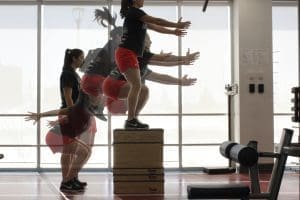
Plyometric exercises involve rapidly producing and absorbing force.
Examples include:
- Jumping
- Hopping
- Bounding
- Lateral jumps
- Single-leg hops
- Drop landings
These exercises can help athletes develop the ability to handle the forces involved in sport.
Deceleration Matters Too
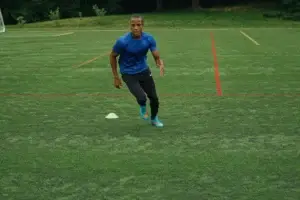
Athletes spend plenty of time practicing acceleration: “Go faster.”
But sport also requires athletes to stop. Deceleration and change-of-direction training are therefore useful components of a comprehensive athletic development program.
Athletes need to progressively learn how to:
- Absorb force
- Maintain balance
- Control single-leg movements
- Slow down efficiently
- Change direction
- Re-accelerate
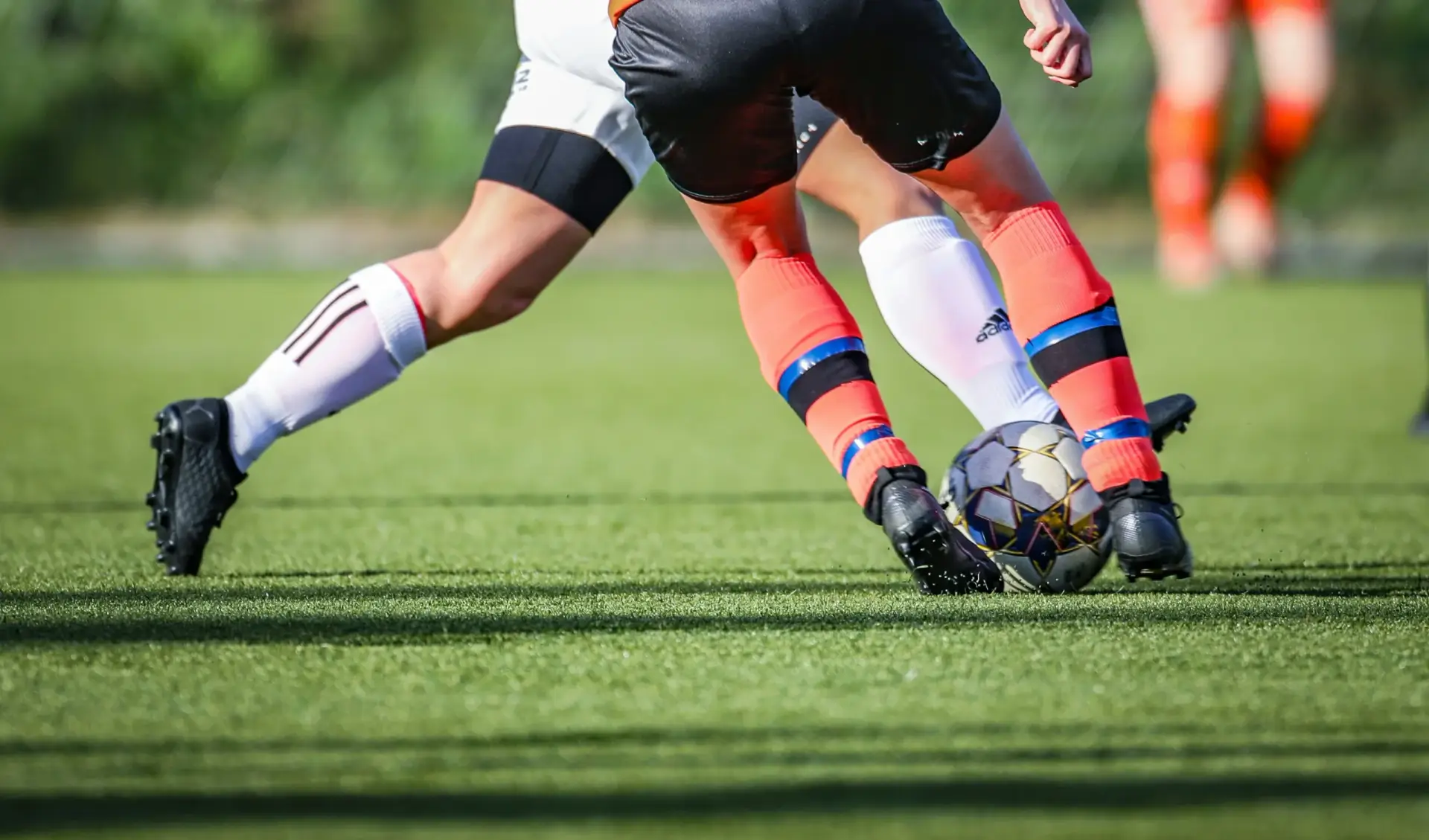
The goal is to gradually expose athletes to movements that resemble the demands of their sport. This is particularly relevant for sports such as soccer, basketball, football and other activities involving repeated cutting and pivoting.
What Does ACL Prevention Look Like in Physiotherapy?
An ACL prevention program should not necessarily look the same for every athlete.
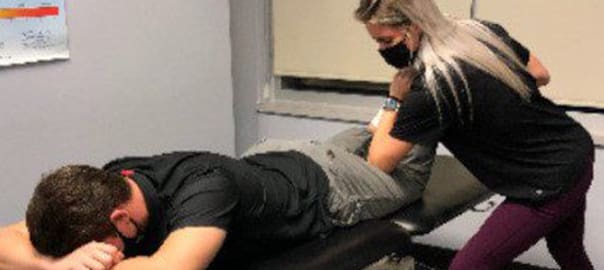
A physiotherapist may assess:
Strength
Quadriceps, hamstring, glute and calf strength—including single-leg strength.
Balance and single-leg control
How well the athlete controls their body during single-leg tasks.
Jumping and landing
How the athlete absorbs and controls force during landing.
Movement quality
How the athlete moves during squatting, hopping, jumping and cutting.
Deceleration and change of direction
How effectively the athlete can slow down, stop and redirect their body.
Sport-specific demands
The movements and physical demands that are most relevant to their sport.
What About FIFA 11+?
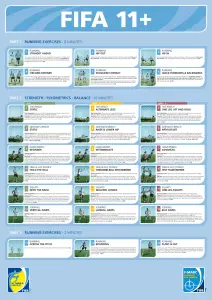
If you’re looking for a structured approach to injury prevention, FIFA 11+ is a great example of a well-researched neuromuscular training program. Developed specifically for soccer, FIFA 11+ is designed to be incorporated into a team’s regular warm-up. It combines running, strengthening, balance, plyometrics and movement-control exercises to prepare athletes for the physical demands of sport.
Research has consistently found that teams using FIFA 11+ experience fewer injuries compared with teams using traditional warm-ups. A systematic review and meta-analysis published in 2025 found that the program significantly reduced lower-extremity injury rates, while previous research has also found meaningful reductions in overall injury risk.
The biggest advantage of a program like FIFA 11+ is that prevention doesn’t have to mean adding another lengthy workout. These exercises can become part of the warm-up athletes are already doing before training and competition.
Want some great ACL prevention exercises? Check out the video below as our Kinesiologist, Jack, demonstrates some of the exercises from the FIFA 11+ injury prevention program.
The Bottom Line
ACL injuries are not completely preventable. However, the evidence is increasingly clear that structured neuromuscular training can significantly reduce ACL injury risk. The strongest evidence supports programs that combine elements such as strength, balance, plyometrics, jumping and landing, agility and sport-specific movement.
Looking to take your ACL prevention and sports performance to the next level? Our OAA clinic is a great place to test, train, and prepare for your sport, with access to a full gym and full turf area. This allows our team to assess movement, strength, balance, agility, and sport-specific skills, while providing the space and equipment to build strength and confidence.
Don’t wait for an ACL injury before you start training for injury prevention.
BOOK YOUR ASSESSMENT TODAY!!
References
Gu J, Zhang R, Zhang Y, Shaharudin S. Neuromuscular training for preventing knee injuries in female team athletes: a meta-analysis. Annals of Medicine. 2025;57(1):2581891. doi:10.1080/07853890.2025.2581891.
Ramachandran AK, Pedley JS, Moeskops S, et al. Influence of neuromuscular training interventions on jump-landing biomechanics and implications for ACL injuries in youth females: a systematic review and meta-analysis. Sports Medicine. 2025;55:1265–1292. doi:10.1007/s40279-025-02190-w.
Bullock GS, Räisänen AM, Martin C, et al. Prevention strategies for lower extremity injury: a systematic review and meta-analyses for the Female, woman and/or girl Athlete Injury pRevention (FAIR) consensus. British Journal of Sports Medicine. 2025;59(22):1575–1586. doi:10.1136/bjsports-2025-109910.
Gao Y, Qi L, Yu T. Implementation effectiveness, barriers, and real-world outcomes of neuromuscular training programs for ACL injury prevention in female athletes: systematic review with narrative synthesis using SWiM framework. Frontiers in Public Health. 2026;14:1743075. doi:10.3389/fpubh.2026.1743075.
Magaña-Ramírez M, Gallardo-Gómez D, Álvarez-Barbosa F, Corral-Pernía JA. What exercise programme is the most appropriate to mitigate anterior cruciate ligament injury risk in football (soccer) players? A systematic review and network meta-analysis. Journal of Science and Medicine in Sport. 2024;27(4):234–242. doi:10.1016/j.jsams.2024.02.001.
- Webster KE, Hewett TE. Meta-analysis of meta-analyses of anterior cruciate ligament injury reduction training programs. Journal of Orthopaedic Research. 2018;36(10):2696–2708. doi:10.1002/jor.24043.