






If you’re searching for “vertigo treatment in Oakville”, “BPPV physio near me”, or wondering why dizziness seems more common in early spring, you’re not alone.
Every year, March brings a noticeable increase in Benign Paroxysmal Positional Vertigo (BPPV) cases across Ontario.
At Sheddon Physiotherapy and Sports Clinic in Oakville, we consistently see a spike in referrals for sudden spinning sensations this time of year.
The good news?
BPPV is highly treatable with vestibular physiotherapy.
Continue reading to find out more about BPPV and how it is treated.
What Is BPPV?

BPPV is the most common cause of vertigo.
It occurs when tiny calcium carbonate crystals (called otoconia) become dislodged in the inner ear and move into one of the semicircular canals. When you change head position, rolling in bed, bending forward, or looking up, those crystals shift and send incorrect balance signals to your brain.
What does BPPV feel like?
Sudden spinning sensation
Episodes lasting less than 60 seconds
Triggered by:
Rolling in bed
Looking up
Bending forward
Nausea
Brief imbalance after the spin stops
No hearing loss
No constant dizziness at rest
If dizziness is brief and clearly triggered by position changes, BPPV is likely.
Why Is BPPV More Common in March in Oakville?

Many patients ask:
“Why did this start all of a sudden?”
Research shows seasonal patterns in BPPV, with peaks in late winter and early spring.
Here’s why March in Oakville may bring more cases:
Low Vitamin D After Winter
In Canada, Vitamin D levels are typically lowest at the end of winter. Studies link low Vitamin D to:
Increased BPPV risk
Higher recurrence rates
Weather & Barometric Pressure Changes
Spring weather fluctuations in the GTA may influence inner ear pressure regulation in susceptible individuals.
Viral Season
Late winter viruses can impact the vestibular system, sometimes triggering vertigo symptoms.
“My Doctor Said I have Vertigo & It Will Just Go Away”

We hear this often.
It’s true that BPPV can resolve on its own over weeks to months. However, that doesn’t mean you need to wait it out, especially when symptoms are disruptive.
The important distinction is this:
“Vertigo” describes a symptom
BPPV is a specific, mechanical cause
When BPPV is correctly identified, repositioning maneuvers are highly effective.
Research shows:
Approximately 75% of posterior canal BPPV cases resolve after just one properly performed maneuver
Most remaining cases resolve within 1–3 sessions
That means instead of:
Avoiding certain movements
Sleeping upright
Limiting driving
Feeling anxious about rolling over
You can often experience relief in a single visit.
Early treatment can also:
Reduce fall risk
Decrease recurrence rates
Prevent unnecessary imaging or medication use
What Can Happen If BPPV Is Left Untreated?
Increased Fall Risk
The biggest concern is falling.
Because BPPV causes sudden spinning with head movement, it can lead to:
Falls when getting out of bed
Loss of balance when bending or looking up
Hesitation with stairs
For older adults, falls can result in fractures or prolonged recovery periods.
Activity Avoidance & Deconditioning
Many people start avoiding:
Rolling in bed
Exercise
Driving
Sports
Looking up or bending forward
Over time, reduced movement can lead to:
Neck stiffness
Reduced mobility
Muscle weakness
Increased fear of movement
Persistent Imbalance
Even though BPPV episodes are brief, the brain can become “overprotective.”
Some people develop:
Ongoing imbalance
Motion sensitivity
Anxiety around head movements
This can evolve into secondary vestibular dysfunction, even after the crystals settle.
Anxiety & Fear of Recurrence
Vertigo can be unsettling. When episodes happen repeatedly without explanation or treatment, it can cause:
Fear of sleeping
Fear of driving
Hypervigilance about movement
Treating the mechanical cause often reduces this anxiety significantly.
BPPV vs. Other Causes of Dizziness
Not all dizziness is BPPV. Proper assessment is important.
| Feature | BPPV | Vestibular Neuritis | Ménière’s Disease | Concussion |
|---|---|---|---|---|
| Triggered by position? | Yes | No | Sometimes | Sometimes |
| Episode duration | Seconds | Hours–Days | 20 min–Hours | Variable |
| Hearing loss | No | No | Yes | No |
| Constant dizziness | No | Yes | During episode | Often |
| Neurological symptoms | No | No | No | May have |
Seek urgent care if you experience:
Double vision
Slurred speech
Sudden weakness
Severe headache
Difficulty walking
New neurological changes
These are not typical of BPPV.
How Is BPPV Treated in Oakville?
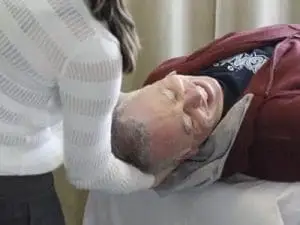
The excellent news:
BPPV is mechanical — and physiotherapy treats it mechanically.
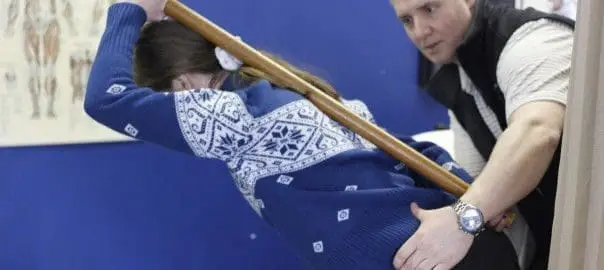
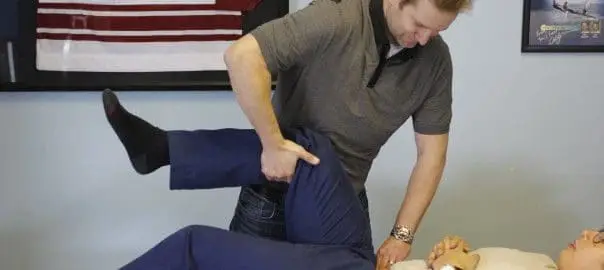
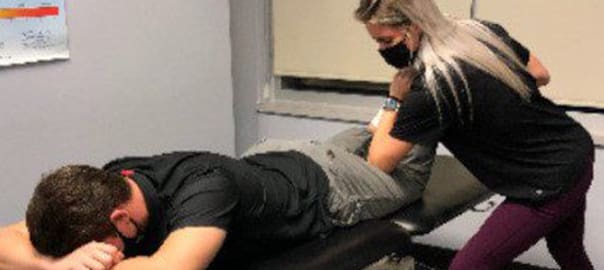
At Sheddon Physiotherapy in Oakville, we use evidence-based vestibular rehabilitation techniques, including:
Dix-Hallpike positional testing
Roll test for horizontal canal involvement
Epley maneuver
Semont maneuver
BBQ roll technique
Most patients improve in:
1–3 physiotherapy sessions
Sometimes after just one treatment
Medication does not fix BPPV, repositioning the crystals does.
What to Expect at Sheddon Physiotherapy and Sports Clinic
If you book an appointment for vertigo treatment in Oakville, we will:
✔ Perform a full vestibular and neurological screening
✔ Confirm whether it is BPPV
✔ Identify which canal is involved
✔ Treat immediately when appropriate
✔ Provide post-treatment guidance
✔ Offer balance retraining if needed
✔ Discuss recurrence prevention strategies
We also coordinate with local physicians when necessary.
When Should You See a Physiotherapist for Vertigo?
Book an assessment if you experience:
Spinning when rolling in bed
Vertigo when looking up
Brief dizziness triggered by position changes
Recurrent episodes of positional vertigo
Early assessment can:
Prevent unnecessary ER visits
Reduce symptom duration
Lower recurrence risk
Oakville Vertigo Treatment:
The Bottom Line
If you’re experiencing sudden positional vertigo in Oakville, it may be BPPV, and it is one of the most successfully treated vestibular conditions in physiotherapy.
Don’t wait for the room to stop spinning on its own.
If you’ve been told “it’s just vertigo and it will go away,” know that BPPV is highly treatable — and in many cases, it resolves in just 1-3 treatment sessions with the correct repositioning maneuver.
At Sheddon Physiotherapy & Sports Clinic in Oakville, our trained vestibular physiotherapists can assess and treat your vertigo safely and effectively.
📞 Call us today or book online to stop the spinning and get back to feeling steady again.
FAQ
How do I know if my dizziness is BPPV?
If your dizziness is brief (under 60 seconds), triggered by rolling in bed or looking up, and not associated with hearing loss, BPPV is very likely.
Can BPPV go away on its own?
Yes, it can — but it may take weeks or months. Repositioning maneuvers are significantly faster and highly effective.
Is BPPV dangerous?
BPPV itself is not life-threatening. However, it increases fall risk, especially in older adults.
Does medication help BPPV?
Medication may reduce nausea but does not fix the underlying mechanical problem.