



Whether you’re playing a weekly round with friends, competing in a club championship, or squeezing in nine holes after work, golf is a fantastic way to stay active. But despite its low-impact reputation, golf places repetitive forces through the spine, shoulders, hips, knees, elbows, and wrists.
At our Oakville Sheddon Physiotherapy and Sports Clinic, we often see golfers who assume pain is simply part of the game. The good news? Research suggests that many golf-related injuries are associated with modifiable factors such as mobility, strength, movement control, and training volume.
Continue reading to learn about common golf injuries, exercises that may help improve your mobility and strength, and how the right training can keep you playing your best all season long.
Low Back Pain:
Look Beyond Your Back
Low back pain is the most common injury reported by both recreational and professional golfers. Research has consistently shown that golfers with low back pain often demonstrate reduced hip mobility, decreased thoracic (mid-back) rotation, and impaired trunk control. When the hips or upper back don’t move efficiently, the lower back may compensate by rotating more than it is designed to.
Try This:
Thoracic Rotation
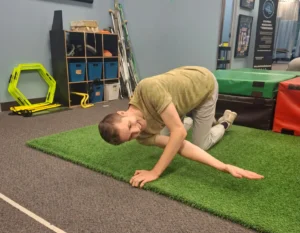
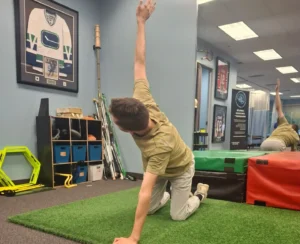
Start on your hands and knees with your hands directly under your shoulders and your knees under your hips. Slide one arm underneath your body, reaching toward the opposite side while allowing your upper back to rotate and your shoulder to gently lower toward the floor. Return to the starting position, then rotate that same arm upward toward the ceiling, following your hand with your eyes.
Perform 8–10 repetitions per side
Shoulder Pain:
Mobility Matters
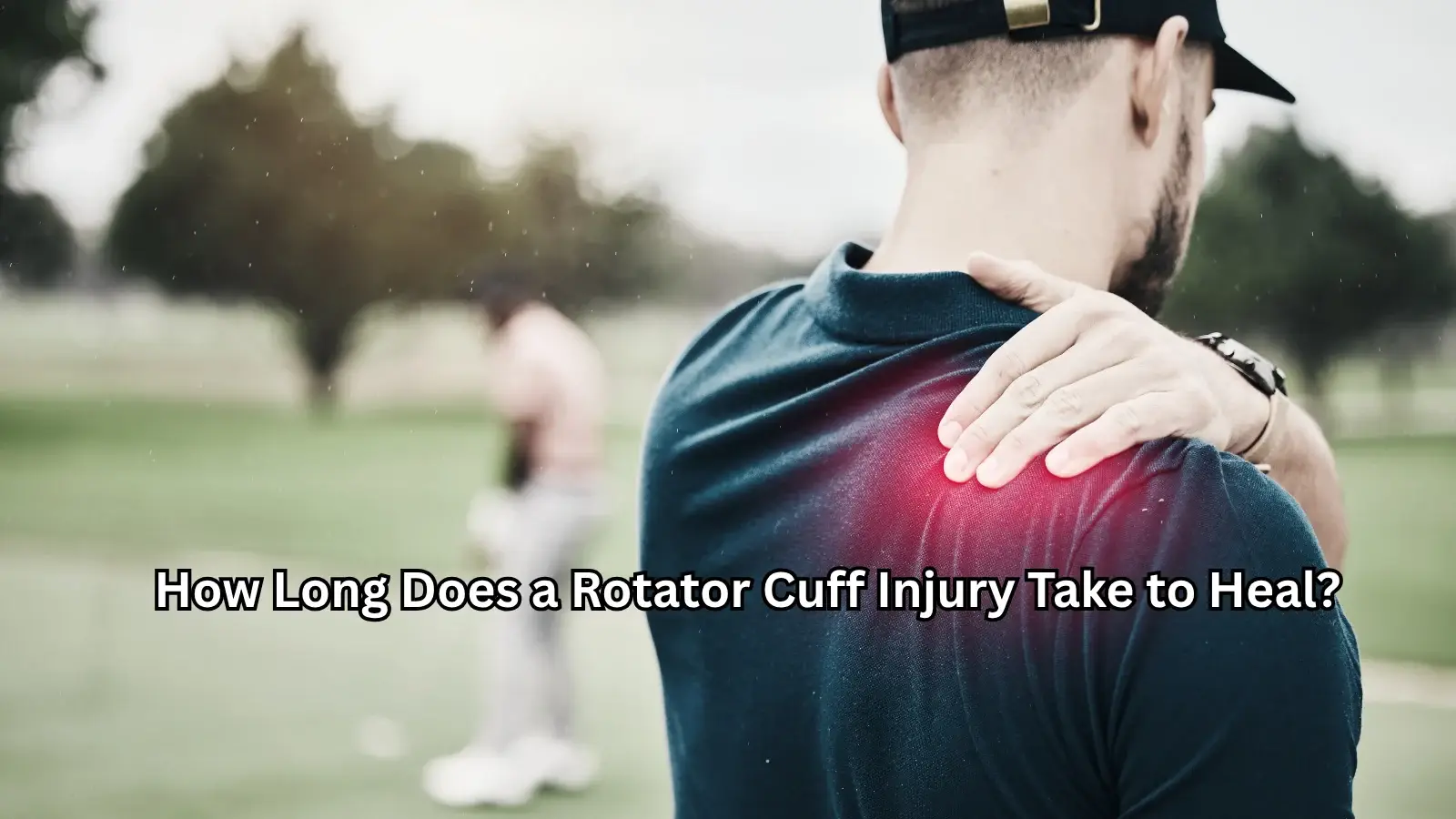
The lead shoulder experiences substantial forces throughout the golf swing. Research has shown that reduced shoulder mobility and deficits in thoracic rotation may increase stress on the shoulder during repetitive swings. Maintaining good shoulder mobility and strength may help improve comfort and performance throughout the season.
Try This:
Wall Slides
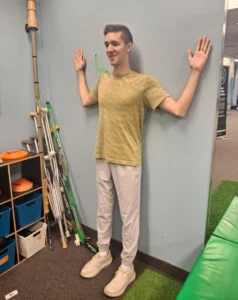
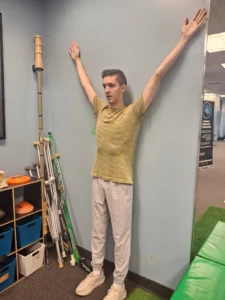
Stand with your arms against a wall and slowly slide your arms overhead while keeping your ribs down.
Complete 2 sets of 10 repetitions to improve shoulder mobility and activation.
Elbow Pain:
It’s Not Just “Golfer’s Elbow”
Despite the name, both the inside (medial) and outside (lateral) of the elbow can become irritated in golfers. Research suggests that repetitive loading, gripping the club too tightly, high practice volume, and poor load management may all contribute to elbow pain.
Try This:
Farmer’s Carry
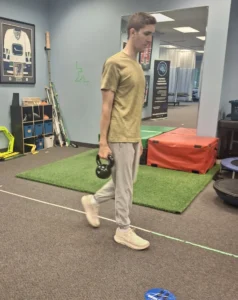
Hold a moderately heavy dumbbell or kettlebell in one hand with your arms by your sides. Stand tall, engage your core, and walk slowly while maintaining an upright posture and a firm—but not excessive—grip. Farmer’s carries are an excellent way to improve grip strength, forearm endurance, shoulder stability, and core control—all of which contribute to better overall function on and off the golf course.
Aim for 20-30 seconds, resting between each set.
Hip Stiffness:
A Key to an Efficient Swing
Your hips generate and transfer much of the power during a golf swing. Research in golf biomechanics suggests that limited hip rotation may alter swing mechanics and increase demands on other areas of the body, particularly the lower back. Improving hip mobility may also help generate a smoother, more efficient swing.
Try This:
90/90 Hip Rotations
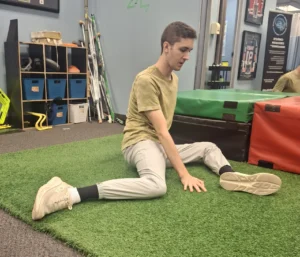
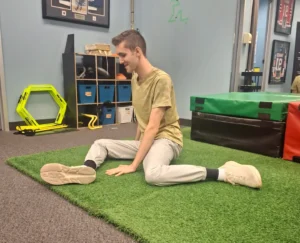
Sit on the floor with both knees bent to 90 degrees and rotate your legs from side to side while keeping your chest tall.
Perform 8–10 slow repetitions on each side.
Neck Pain:
Don’t Forget Your Upper Back
During the golf swing, the neck and upper back rotate together. Research suggests that reduced thoracic spine mobility may increase movement demands on the cervical spine, potentially contributing to neck discomfort in some golfers.
Try This:
Open Book Stretch
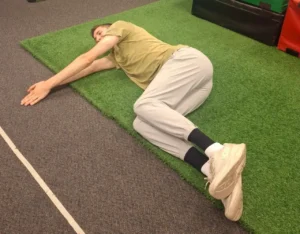
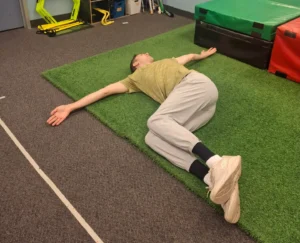
Lie on your side with your knees bent. Reach your top arm across your body and slowly rotate your chest toward the opposite side, following your hand with your eyes.
Hold for 2–3 seconds and repeat 10 times per side.
Keep Yourself on the Course This Season

Golf injuries rarely have a single cause. Mobility, strength, previous injuries, practice volume, recovery, and swing mechanics all play a role. If you’re dealing with pain that persists beyond a few rounds, affects your swing, or limits your enjoyment of the game, an assessment can help identify the contributing factors and guide an individualized treatment plan.
Did you know that physiotherapists Liam and Erin at Oakville Sheddon Physiotherapy & Sports Clinic are Titleist Performance Institute (TPI) Certified?
TPI certification means they have received specialized training to assess how your body moves during the golf swing. By identifying mobility restrictions, strength deficits, stability issues, and movement patterns that may be contributing to pain or limiting your performance, they can create a personalized treatment and exercise plan to help you move more efficiently.
Whether you’re recovering from an injury, looking to prevent one, or hoping to gain distance and consistency in your game, we’re here to help you stay healthy and keep you on the course all season long.
Book an assessment today and let us help you swing better, play longer, and enjoy golf pain-free.