
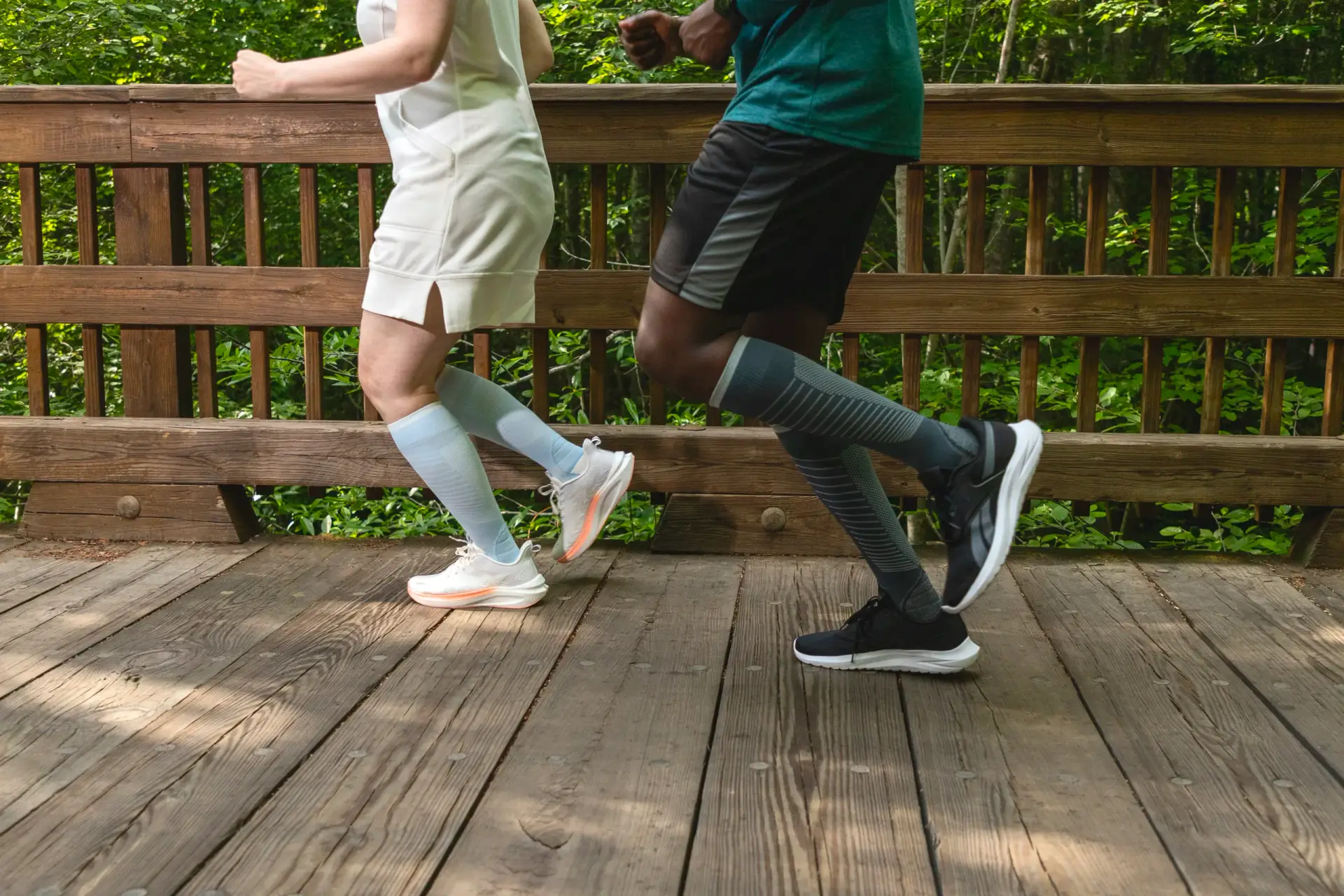
Compression socks have become increasingly popular among athletes, healthcare workers, travellers, and individuals with circulation concerns, but they’re much more than just a snug pair of socks.
Medical-grade compression socks are designed to improve circulation, reduce swelling, and support healthy vein function. Whether you’re on your feet all day, sitting for long periods, managing a medical condition, or simply looking for relief from tired, aching legs, compression socks may be an effective solution.
At our clinic, we offer professional fitting for SIGVARIS® medical compression socks, ensuring you receive the right size and level of compression for your individual needs.
What Are Compression Socks?
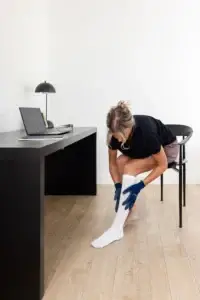
Compression socks are specially designed garments that gently squeeze the legs using graduated compression. This means the pressure is greatest at the ankle and gradually decreases toward the knee or thigh.
This graduated pressure helps your veins move blood back toward your heart more efficiently, reducing the pooling of blood and fluid in the lower legs.
Unlike regular socks, medical compression socks are manufactured to deliver precise levels of compression, making them an effective treatment for many circulation-related conditions.
How Do Compression Socks Work?
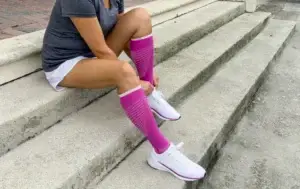
Every time your calf muscles contract while walking, they help pump blood back toward your heart. This is often called the calf muscle pump.
When the veins or valves in the legs don’t work as efficiently, or when we spend long periods standing or sitting—blood and fluid can begin to collect in the lower legs. This can lead to swelling, aching, heaviness, fatigue, and varicose veins.
Compression socks help by:
- Improving blood flow back toward the heart
- Supporting the veins and reducing vein enlargement
- Limiting the buildup of fluid in the lower legs
- Reducing swelling in the feet and ankles
- Decreasing feelings of heaviness and fatigue
- Helping the calf muscles work more efficiently
Who Can Benefit from Compression Socks?
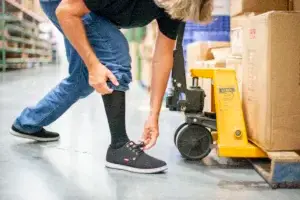
Compression socks aren’t just for people with vein disease. Many individuals can benefit from wearing them.
People Who Stand for Long Periods
Teachers, nurses, healthcare professionals, retail workers, hairstylists, warehouse employees, and anyone who spends most of the day on their feet often experience tired, heavy, or swollen legs. Compression socks can help reduce these symptoms and improve comfort throughout the day.
People Who Sit for Long Periods
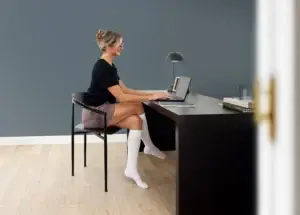
Office workers, drivers, students, and frequent travellers may experience reduced circulation from prolonged sitting. Compression socks help encourage blood flow and reduce swelling that can develop after hours of sitting.
People with Varicose Veins
Varicose veins occur when vein valves become less effective, allowing blood to pool in the legs. Compression socks help support the veins, reduce symptoms such as aching and heaviness, and may help slow the progression of venous disease.
People with Leg Swelling
Swelling can occur for many reasons, including prolonged standing, pregnancy, chronic venous insufficiency, or recovery from injury or surgery. Compression socks help reduce excess fluid accumulation and improve comfort.
During Pregnancy
Pregnancy increases pressure on the veins and commonly leads to swelling and varicose veins. Compression socks can help manage these symptoms and improve comfort throughout pregnancy.
Athletes and Active Individuals
Many runners, hikers, golfers, cyclists, and other active individuals wear compression socks during or after activity. While research on performance improvements is mixed, compression garments may help reduce leg fatigue, improve comfort, and assist with recovery after exercise.
People Recovering from Injury or Surgery
Compression garments are sometimes recommended after certain surgeries or injuries to help manage swelling and support circulation during recovery.
Individuals with Chronic Venous Insufficiency or Lymphedema
Medical compression therapy is considered a cornerstone of treatment for many chronic venous and lymphatic conditions. Your healthcare provider can determine the most appropriate type and level of compression.
Different Types of Compression Socks
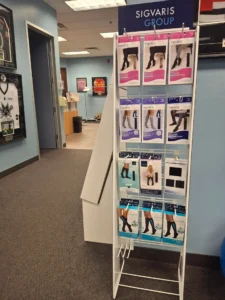
Not all compression socks are the same. Choosing the right style depends on your symptoms, activity level, and medical needs.
Knee-High Compression Socks
The most commonly prescribed option, knee-high socks are effective for many people experiencing swelling, varicose veins, or leg fatigue below the knee.
Thigh-High Compression Stockings
These provide compression above the knee and may be recommended when swelling or vein issues extend into the thigh.
Pantyhose Compression Garments
These provide compression throughout both legs and the lower abdomen and are commonly recommended during pregnancy or when symptoms affect the entire leg.
Everyday and Active Styles
SIGVARIS offers a variety of options, including dress socks, athletic socks, casual styles, travel socks, and stockings designed specifically for medical conditions, making it easier to find something that fits your lifestyle.
Understanding Compression Levels
Compression is measured in millimetres of mercury (mmHg).
15–20 mmHg
- Mild compression
- Ideal for tired, achy legs, mild swelling, travel, or prolonged standing and sitting.
20–30 mmHg
- Medical-grade compression
- Commonly recommended for varicose veins, moderate swelling, chronic venous insufficiency, and after certain medical procedures.
30–40 mmHg
- Firm compression
- Typically prescribed for more advanced venous disease or lymphedema under the guidance of a healthcare professional.
A healthcare provider can help determine which level is most appropriate for your condition.
Why Professional Fitting Is Important
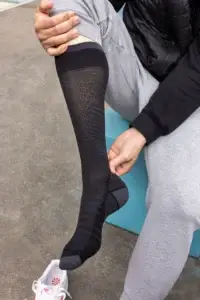
Medical compression socks only work well if they fit properly.
A sock that is too loose may not provide enough therapeutic compression, while one that is too tight can be uncomfortable and difficult to wear.
At our clinic, we take detailed measurements of your legs and help select the appropriate style, size, and compression level based on your symptoms, goals, and lifestyle.
Are Compression Socks Covered by Insurance?
Many extended health insurance plans provide coverage for medical-grade compression stockings, particularly when they are prescribed for a medical condition. Coverage varies between providers, and some plans require a prescription and professional fitting. If you’re unsure about your benefits, our team can help answer your questions and guide you through the process.
Find the Right Compression Sock for You
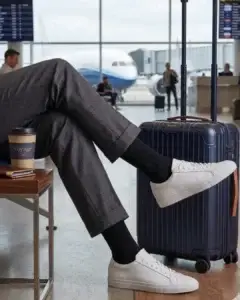
Compression socks are a simple, non-invasive way to improve circulation, reduce swelling, and relieve tired, aching legs. Whether you’re managing a medical condition, recovering from an injury, or simply looking for more comfort during your day, the right compression garment can make a noticeable difference.
If you’re interested in learning more, book an appointment with our team. We’ll assess your needs, professionally measure your legs, and help you find the SIGVARIS compression sock that’s right for you.
CALL US TODAY:
905-849-4576
SIGVARIS Compression Socks: What They Are, How They Work, and Who Can Benefit
Compression socks have become increasingly popular among athletes, healthcare workers, travellers, and individuals with circulation concerns, but they're much more

Keep Running Strong with Physiotherapy in Oakville
Whether you’re an recreational jogger, a competitive runner, or training for a race, staying injury-free is key. At Sheddon Physiotherapy
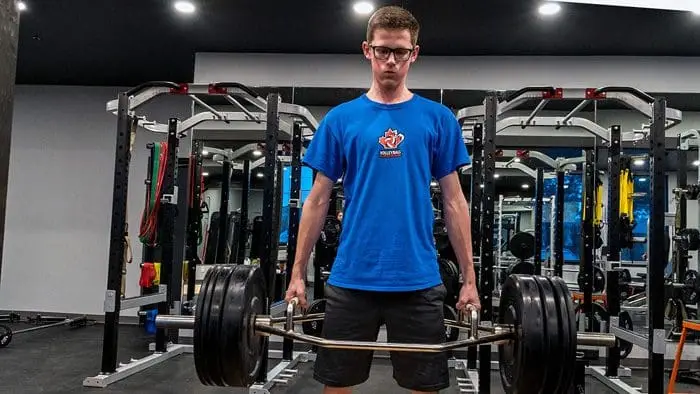
Sheddon Physiotherapy & Sports Clinics: Premier Care for Oakville and Burlington Athletes and Patients
Welcome to Sheddon Physiotherapy & Sports Clinics, your go-to destination for physiotherapy, chiropractic, massage therapy and sports medicine care in

Sports Injury Rehabilitation in Oakville and Burlington
Treating athletes is a whole different ballgame. At SPSC, we have been treating athletes of all ages and levels, including
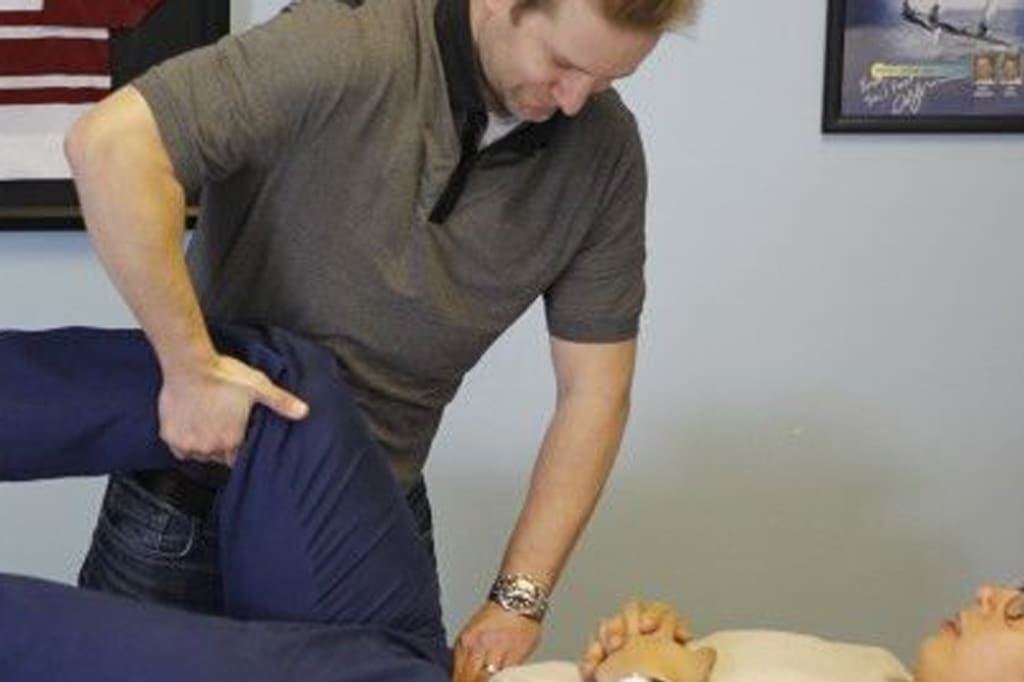
Active Release Therapy (ART) in Oakville and Burlington
What is Active Release Therapy? Active Release Therapy (ART) is a specialized hands-on treatment designed to address soft tissue injuries
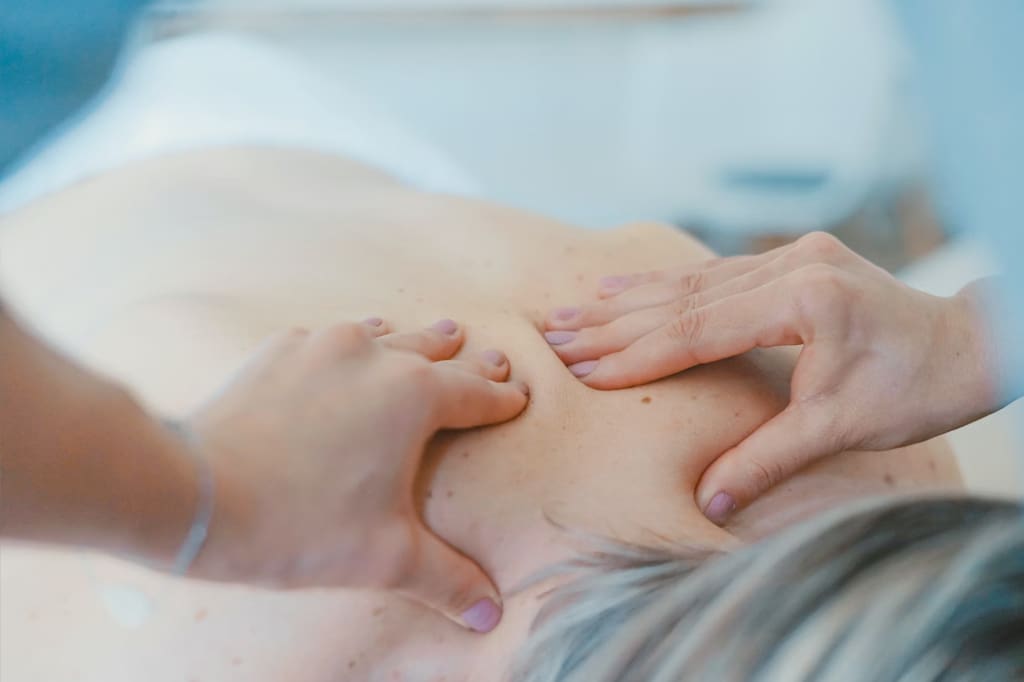
Manual and Manipulative Therapy in Oakville and Burlington
At Sheddon Physiotherapy and Sports Clinic in Burlington and Oakville, the use of Manual and Manipulative Therapy is a priority