




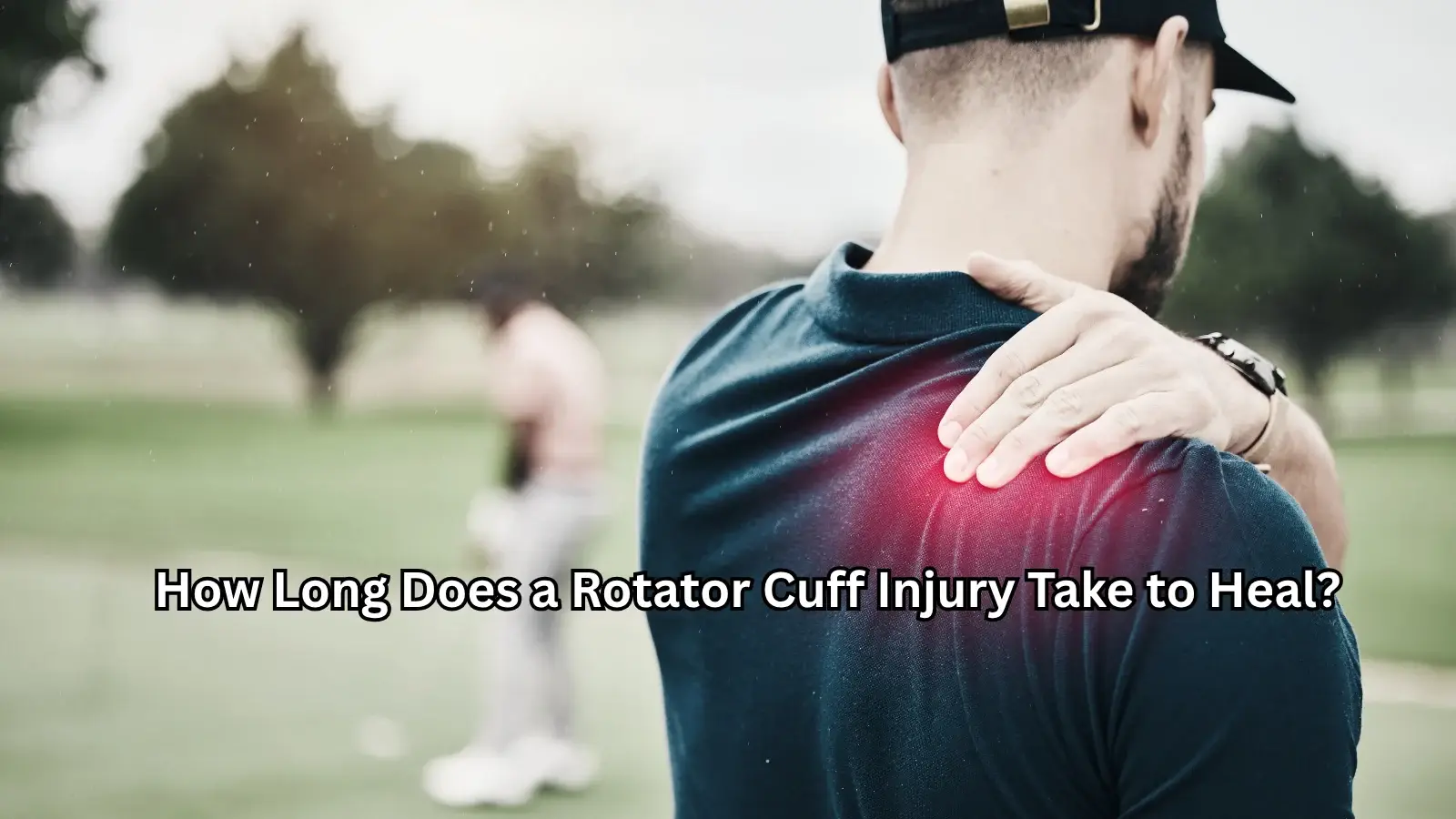
Shoulder pain can make everyday activities like reaching overhead, lifting groceries, sleeping comfortably, or participating in sports difficult. One of the most common causes of shoulder pain is a rotator cuff injury.
A question we hear frequently at our physiotherapy clinic is:
“How long does a rotator cuff injury take to heal?”
The answer depends on several factors, including the severity of the injury, your age, activity level, overall health, and whether surgery is required. While some rotator cuff injuries improve within a few weeks, others may take several months to fully recover.
What Is the Rotator Cuff?
The rotator cuff is a group of four muscles and tendons that surround the shoulder joint. Together, they help stabilize the shoulder and allow movements such as lifting, reaching, throwing, and rotating the arm.
Rotator cuff injuries commonly occur due to:
- Repetitive overhead activities
- Sports such as baseball, tennis, swimming, and volleyball
- Heavy lifting
- Falls or traumatic injuries
- Age-related tendon degeneration
Rotator Cuff Injury Recovery Timeline
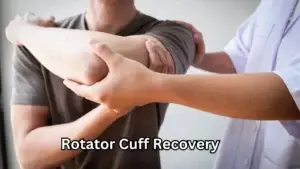
Rotator Cuff Tendinitis
Rotator cuff tendinitis occurs when the tendons become irritated or inflamed.
Typical recovery time: 2-8 weeks
Most cases respond well to:
- Activity modification
- Physiotherapy
- Strengthening exercises
- Mobility exercises
- Gradual return to activity
Patients who begin treatment early often experience faster recovery and better outcomes.
Partial Rotator Cuff Tear
A partial tear means some of the tendon fibers have been damaged, but the tendon is not completely torn.
Typical recovery time: 6-12 weeks for many patients, although some may require 3-6 months for full recovery.
Treatment may include:
- Physiotherapy
- Progressive strengthening
- Manual therapy
- Load management
- Sport-specific rehabilitation
Many partial tears can heal successfully without surgery.
Full-Thickness Rotator Cuff Tear
A full-thickness tear means the tendon has torn completely.
Recovery time without surgery: Variable, depending on age, symptoms, and functional goals.
Recovery time with surgery: Typically 4-12 months.
Some individuals can function surprisingly well with a full-thickness tear through physiotherapy and strengthening. Others may require surgery, particularly if they are younger, highly active, or have significant weakness.
Factors That Affect Recovery Time
Several factors can influence how quickly a rotator cuff injury heals:
- Severity of the injury
- Age
- Smoking status
- Overall health
- Consistency with physiotherapy
- Work demands
- Activity level
- Previous shoulder injuries
Patients who follow their rehabilitation program consistently often experience better outcomes.
Can Physiotherapy Help Rotator Cuff Injuries?
In many cases, yes.
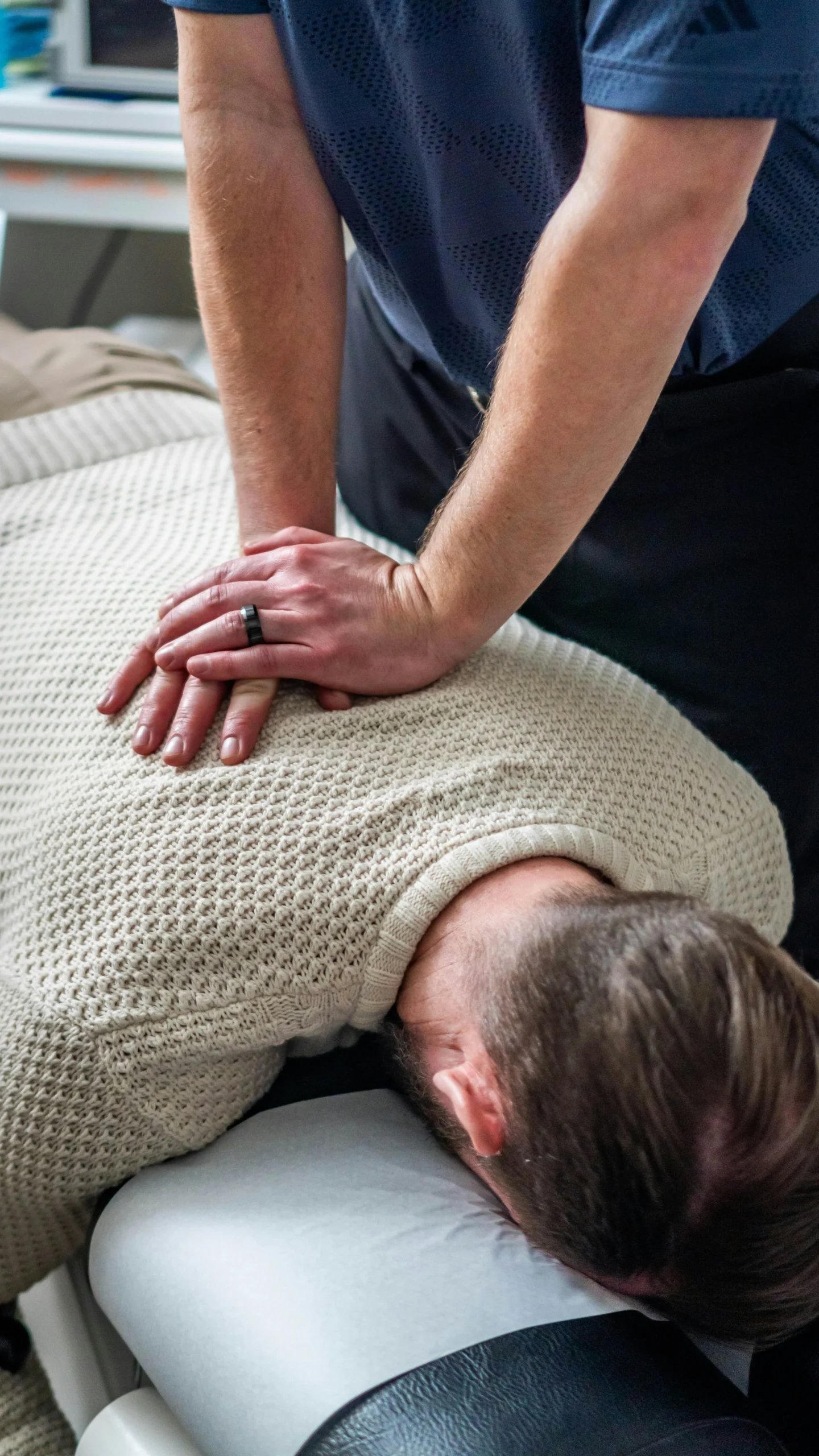
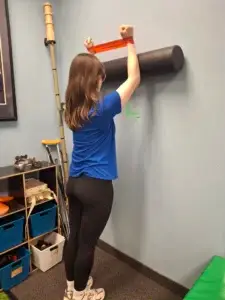
Physiotherapy is often one of the most effective treatments for rotator cuff tendinitis and partial tears. Treatment may include:
- Individualized exercise programs
- Shoulder strengthening
- Mobility exercises
- Manual therapy
- Postural education
- Return-to-sport planning
Research shows that many patients can achieve significant improvements in pain and function through physiotherapy alone.
When Should You See a Physiotherapist?

Consider seeking an assessment if you experience:
- Shoulder pain lasting more than a few weeks
- Pain when lifting your arm
- Night pain
- Weakness in the shoulder
- Difficulty reaching overhead
- Pain during sports or exercise
Early treatment can often prevent symptoms from becoming chronic and may help speed recovery.
Is Your Rotator Cuff Recovery On Track?
One of the most common questions we hear is:
“My shoulder still hurts. Is that normal?”
The reality is that recovery from a rotator cuff injury is rarely a straight line. Most people experience good days, bad days, and occasional setbacks along the way.
Rather than focusing only on pain levels, we encourage patients to watch for these signs that recovery is progressing:
Green Flags: Signs Your Shoulder Is Improving
✓ You can reach a little higher than you could a few weeks ago
✓ Daily activities such as dressing, washing your hair, or reaching into cupboards are becoming easier
✓ Pain settles more quickly after activity
✓ Your shoulder feels stronger during exercises
✓ Sleep is gradually improving
✓ You are becoming more confident using your arm
Even if some discomfort remains, these improvements often indicate that healing and rehabilitation are moving in the right direction.
Can You Pass the Rotator Cuff Recovery Test?

While recovery timelines are helpful, what really matters is how well your shoulder functions in daily life.
Ask yourself these questions:
✓ Can you reach the top shelf comfortably?
This requires a combination of shoulder mobility, strength, and control.
✓ Can you put on a jacket without pain?
Getting dressed challenges multiple shoulder movements and is often one of the first activities patients notice improving.
✓ Can you sleep on the affected side?
Night pain is one of the most common symptoms of rotator cuff injuries. Improved sleep is often a sign that healing is progressing.
✓ Can you lift a grocery bag without discomfort?
This is a practical test of shoulder strength and functional capacity.
✓ Can you perform 10 pain-free overhead reaches?
Repeated overhead movements help assess endurance and shoulder tolerance.
How Many Did You Pass?
5/5: Your shoulder is likely progressing well.
3-4/5: Recovery is moving in the right direction, but there may still be strength or mobility deficits to address.
0-2/5: Your shoulder may benefit from a more comprehensive assessment and rehabilitation program.
Remember, successful recovery is not simply about reducing pain. It’s about restoring the strength, mobility, and confidence needed to return to the activities that matter most to you.
The Biggest Mistakes People Make During Rotator Cuff Recovery
Recovering from a rotator cuff injury takes patience. While most people focus on what they should be doing, it’s equally important to avoid common mistakes that can slow progress and prolong symptoms.
Returning to Sports Too Soon
One of the most common mistakes is returning to sports before the shoulder is ready.
Many people base their return on pain alone. However, just because the shoulder feels better does not mean it has regained the strength, endurance, and stability needed for activities such as golf, hockey, tennis, pickleball, or weight training.
Returning too early can increase the risk of reinjury and setbacks.
Stopping Exercises When Pain Improves
It’s common for pain to improve before strength fully returns.
Many patients stop their exercises once they feel better, only to find that symptoms return weeks later. Continuing your rehabilitation program helps restore strength, improve shoulder mechanics, and reduce the likelihood of future problems.
Avoiding All Shoulder Movement
Some people believe complete rest is the fastest path to recovery.
In reality, prolonged inactivity can lead to stiffness, weakness, and reduced shoulder mobility. While certain activities may need to be modified, guided movement and exercise are often essential parts of the healing process.
Final Thoughts
So, how long does a rotator cuff injury take to heal?
For mild cases of tendinitis, recovery may occur within a few weeks. Partial tears often require several months of rehabilitation, while surgical recovery for a full-thickness tear can take anywhere from 4 to 12 months.
The good news is that many rotator cuff injuries respond very well to physiotherapy. An individualized rehabilitation program can help reduce pain, restore strength, and get you back to the activities you enjoy as safely and efficiently as possible.
At Sheddon Physiotherapy and Sports Clinic, our team will identify the source of your symptoms, develop an individualized treatment plan, and help you return to the activities that matter most to you.
Book an assessment today to start your recovery.
Call: (905) 849-4576
Frequently Asked Questions About Rotator Cuff Injuries
How do I know if I have a torn rotator cuff?
Common signs of a rotator cuff tear include:
- Pain when lifting your arm
- Weakness in the shoulder
- Difficulty reaching overhead
- Pain when sleeping on the affected side
- Clicking or catching sensations in the shoulder
A physiotherapist can perform a thorough assessment and may recommend imaging if necessary.
What is the fastest way to heal a rotator cuff injury?
The best approach typically includes:
- Early assessment
- Activity modification
- Following a structured exercise program
- Maintaining shoulder mobility
- Gradually rebuilding strength
Trying to push through significant pain or returning to activity too quickly can delay recovery.
Can physiotherapy help a rotator cuff tear?
Yes. Physiotherapy is often the first line of treatment for rotator cuff injuries and can be highly effective for tendinitis and many partial tears. Treatment focuses on improving mobility, strength, shoulder mechanics, and function.
Is surgery always required for a rotator cuff tear?
No. Many rotator cuff tears can be managed successfully without surgery. Factors such as the size of the tear, your age, activity level, symptoms, and functional goals all influence treatment recommendations.
What happens if a rotator cuff tear is left untreated?
Some tears remain relatively stable, while others may gradually enlarge over time. Untreated rotator cuff injuries can sometimes lead to ongoing pain, weakness, reduced shoulder function, and difficulty performing daily activities.