






Hip pain can make everyday activities surprisingly difficult. Whether you notice discomfort when walking, climbing stairs, sleeping on your side, getting out of a car, or running, hip pain can significantly impact your mobility and quality of life.
At Sheddon Physiotherapy and Sports Clinic in Oakville, we help people of all ages identify the source of their hip pain and develop a personalized treatment plan to restore movement, reduce pain, and help them return to the activities they enjoy.
In this guide, we’ll discuss the most common causes of hip pain, symptoms to watch for, and exercises that can help improve strength, mobility, and function.
Common Symptoms of Hip Pain

Hip pain can present in many different ways depending on the structures involved. The source may be the muscles, tendons, hip joint, surrounding soft tissues, or even referred pain from the lower back.
Pain in the Front of the Hip or Groin
Pain in the front of the hip or groin often feels like a deep ache, pinch, or sharp discomfort. It may become noticeable when walking uphill, running, squatting, getting in and out of a car, or bringing your knee toward your chest.
Pain on the Outside of the Hip
Outer hip pain is one of the most common complaints we see. It may feel tender when pressing on the side of the hip or when lying on that side at night. Walking longer distances, climbing stairs, and standing on one leg can often aggravate symptoms.
Pain in the Buttock or Deep Glute Area
Pain in the back of the hip may originate from the gluteal muscles, deep hip rotators, hamstring attachments, or even the lower back. Many people describe this as a deep ache that worsens after prolonged sitting or activity.
Stiffness After Sitting
Many individuals notice their hip feels tight or “locked up” after sitting at a desk, driving, or watching television. Symptoms often improve somewhat after moving around.
Pain with Walking, Running, or Sport
Hip pain frequently becomes noticeable during longer walks, runs, or workouts. You may find yourself shortening your stride, limping slightly, or avoiding certain movements.
Clicking, Catching, or Pinching Sensations
Some people experience clicking, snapping, or pinching in the hip during movement. While not always serious, these symptoms may indicate irritation within the hip joint or surrounding structures.
Common Causes of Hip Pain
Hip pain is often caused by a combination of strength deficits, movement patterns, training errors, and tissue overload rather than a single injury.
Some of the most common conditions we assess and treat include:
- Gluteal tendinopathy
- Greater trochanteric pain syndrome
- Hip impingement (FAI)
- Hip flexor strains and tendinopathy
- Hip osteoarthritis
- Labral irritation or tears
- Hip bursitis
- Adductor strains
- Gluteal muscle strains
- Referred pain from the lower back
Because many of these conditions produce similar symptoms, a thorough assessment is important to determine the true source of your pain.
Top Exercises to Strengthen the Hip
These exercises are commonly used to improve hip strength, stability, and movement control.
1. Standing Hip Abduction

Strengthens the gluteus medius, an important stabilizer during walking and running.
Perform 2-3 sets of 10-15 repetitions.
2. Glute Bridge
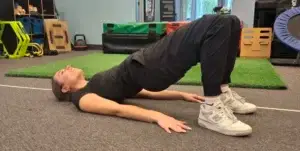
Improves glute strength and reduces excessive reliance on the hip flexors.
Perform 3 sets of 10-12 repetitions.
3. Step-Downs

Build strength and control for daily activities such as stairs, walking, and sport.
Perform 2-3 sets of 8-10 repetitions per side.
4. Lateral Band Walks
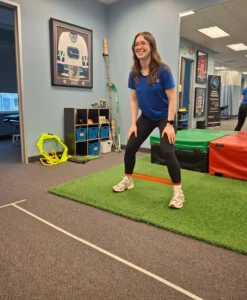
This exercise develops hip strength and endurance in the muscles that help keep the pelvis level during walking and running.
2–3 sets of 10–15 steps in each direction
Top Exercises for Hip Mobility
Check out our video below for some great hip mobility exercises.
How Physiotherapy Can Help

Treatment begins with a detailed assessment to determine the factors contributing to your symptoms.
Your physiotherapist may assess:
- Hip strength
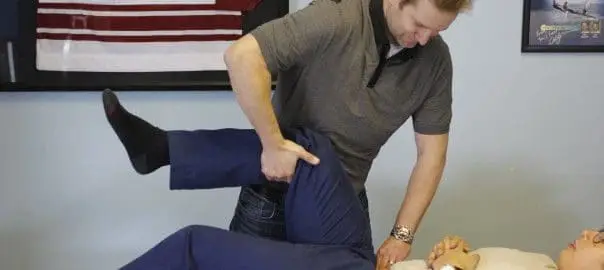
- Mobility and flexibility
- Walking and running mechanics
- Balance and single-leg control
- Sport-specific movements
- Lower back involvement
Treatment may include:
- Targeted strengthening exercises
- Mobility and flexibility work
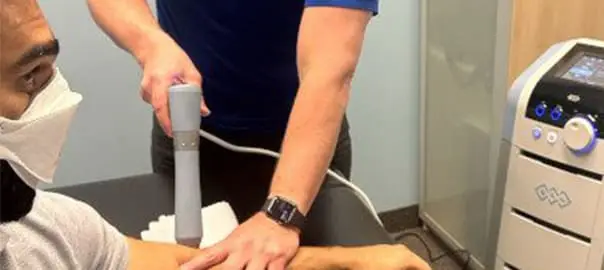
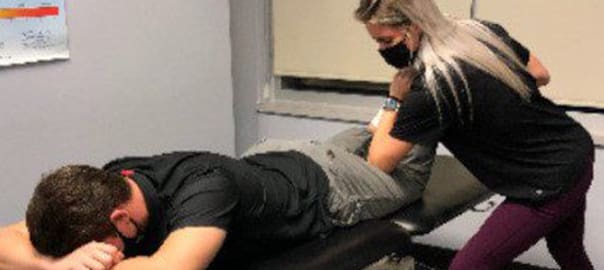
- Manual therapy
- Gait and running analysis
- Education on activity modification
- Progressive return-to-sport planning
The goal is not only to reduce pain, but also to address the underlying factors that contributed to the problem in the first place.
When Should You See a Physiotherapist?
Consider booking an assessment if:
- Hip pain has lasted longer than two weeks
- Symptoms are worsening
- Walking or running has become difficult
- You experience recurring episodes of pain
- Hip pain is affecting work, sport, or sleep
Early intervention often leads to a faster recovery and helps prevent chronic symptoms.
At Sheddon Physiotherapy and Sports Clinic, our team will identify the source of your symptoms, develop an individualized treatment plan, and help you return to the activities that matter most to you.
Book an assessment today to start your recovery.
Call: (905) 849-4576
Frequently Asked Questions About Hip Pain
Why does my hip hurt when I walk?
Hip pain during walking can occur for several reasons, including muscle weakness, tendon irritation, arthritis, hip impingement, or altered walking mechanics. The location of the pain often provides clues about the underlying cause. For example, pain in the groin may suggest irritation within the hip joint, while pain on the outside of the hip is often related to the gluteal tendons.
Why does my hip hurt when I sleep on my side?
Pain when lying on your side is commonly associated with irritation of the tissues on the outside of the hip, including the bursa and gluteal tendons. Pressure from lying directly on the affected side can compress these structures and increase discomfort, often causing people to wake during the night.
Is hip pain caused by tight muscles?
Not always. While tightness can contribute to symptoms, many cases of hip pain are actually related to weakness, reduced stability, poor movement control, or excessive loading of the hip joint and surrounding tendons. This is one reason why stretching alone often provides only temporary relief.
Should I keep walking if my hip hurts?
In many cases, continuing to walk is beneficial, provided it does not significantly worsen your symptoms. Complete rest is rarely the best solution. Modifying your activity level while gradually improving strength and mobility is often more effective than avoiding movement altogether.