






Cycling is one of the most popular sports in Oakville. During fall and winter, many Oakville cyclists move indoors onto trainers or Pelotons. Indoor cycling, in particular, can increase injury risk. You stay seated longer. You hold one position for extended periods. Efforts are sustained and intense. There is no coasting, no terrain variation, and very little positional change. That constant, fixed load places stress on the same tissues ride after ride — especially the knees, lower back, neck, and hands.
At Sheddon Physiotherapy and Sports Clinic, our focus is not just treating pain — it is identifying training errors early, so you can ride stronger, longer, and without interruption.
Keep reading to learn:
- The most common indoor cycling injuries we see in Oakville
- Why indoor training increases overuse risk
- How proper bike fit reduces joint strain
- Warning signs you should not ignore
 Why Indoor Cycling Injuries Happen
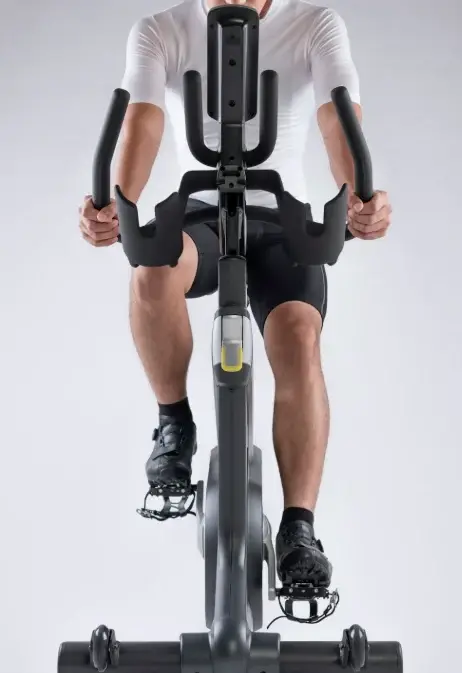
Most cycling injuries develop gradually, and indoor riding introduces unique risks. When you’re on a trainer or platforms like the Peloton, your body often stays in the same position for long periods. That fixed posture increases stress on the knees, lower back, neck, and shoulders.
Common causes of indoor cycling injuries include:
- Increasing weekly mileage or session duration too quickly
- Adding intensity or resistance without proper recovery
- Poor bike fit (saddle height, handlebar reach, cleat alignment)
- Muscle imbalances, such as weak glutes or tight hip flexors
- Limited hip, ankle, or thoracic mobility
The Most Common Cycling Injuries We Treat in Oakville
Knee Pain (Patellofemoral Pain Syndrome)
Knee pain is the most common injury we see in Oakville cyclists. Long training sessions, high-cadence intervals, or repeated sprint blocks place continuous stress on the kneecap, especially when the lower body is working harder than the supporting muscles.
Common symptoms include:
- Pain around or behind the kneecap during riding
- Discomfort during seated climbs or high-cadence efforts
- Swelling or soreness after longer indoor sessions
Typical contributing factors:
- Saddle height that is too low or too high
- Weak gluteal or hip stabilizer muscles
- Tight quadriceps or hamstrings
- Rapid increases in training volume or intensity
Indoor cyclists often maintain the same position for extended periods, which can magnify these stresses. If pain persists longer than 7–10 days or worsens after each ride, a physiotherapy assessment is recommended. Early intervention reduces recovery time and prevents more serious long-term issues.
Lower Back Pain
Lower back pain is a common complaint for Oakville cyclists, especially during indoor training. Long periods in a forward-leaning position, combined with repetitive pedaling, can overload the lumbar spine.
Common contributing factors include:
- Limited hip or thoracic mobility
- Weak gluteal or core muscles
- Low or aggressive handlebar setup
- Poor trunk endurance
Pain that starts during a ride and lingers into the next day is often a sign of muscle fatigue or overload. Physiotherapy addresses these issues through hip mobility and thoracic extension exercises, core and glute strengthening and posture and trunk stability training. Early intervention helps prevent chronic lower back strain and keeps you riding comfortably throughout the indoor training season.
Neck and Shoulder Pain
Indoor cyclists often experience:
- Burning or tightness between the shoulder blades
- Neck stiffness that lingers after riding
- Headaches during or after longer sessions
These issues are usually caused by sustained forward posture on the handlebars, combined with weak upper back and postural muscles — a common scenario when riding trainers or Pelotons for extended periods.
Physiotherapy in Oakville targets these problems through, postural strengthening for the upper back and shoulders, thoracic mobility exercises to improve spine extension, and bike and handlebar adjustments to reduce strain. Addressing these early prevents chronic discomfort.
Achilles Tendon Irritation
Indoor cycling sessions that include high-resistance climbs, sprint intervals, or standing blocks can overload the Achilles tendon.
Warning signs to watch for:
- Stiffness or soreness in the tendon first thing in the morning
- Pain during the first few minutes of your ride
- Local tenderness along the tendon
Early intervention with physiotherapy in Oakville can prevent these symptoms from developing into chronic tendon problems, keeping you riding comfortably and safely throughout your indoor training season.
Hand Numbness (Ulnar Nerve Irritation)
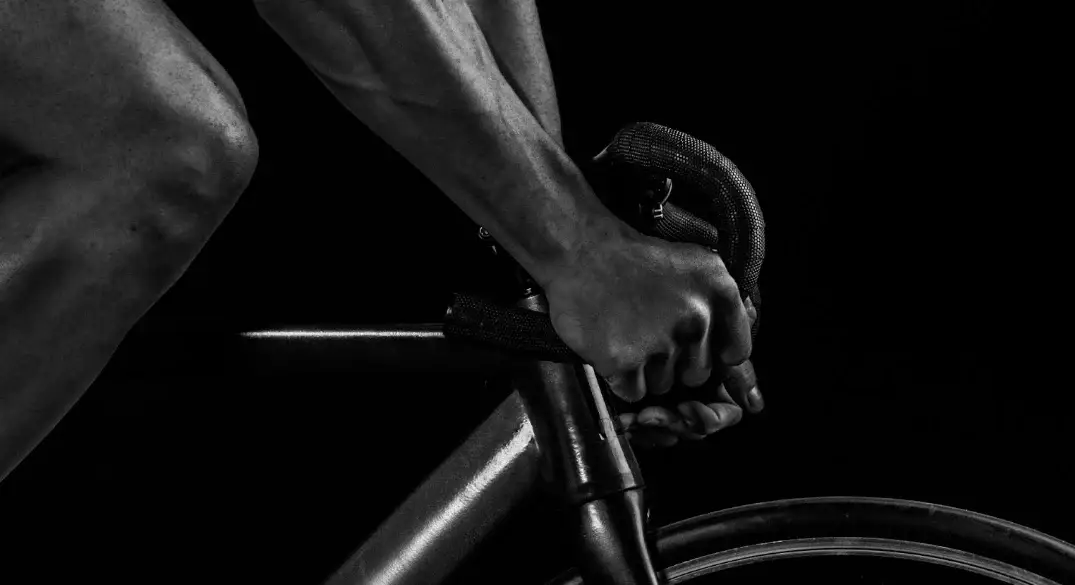
Indoor cycling can place sustained pressure on the hands and wrists, especially during long training sessions or high-resistance intervals. This pressure can irritate the ulnar nerve, leading to:
- Tingling or “pins and needles” in the fingers
- Numbness that lingers after your ride
- Weak grip during or after cycling
Often, a combination of bike fit adjustments, handlebar positioning, and targeted physiotherapy exercises quickly relieves pressure and restores comfort, helping you ride longer without nerve irritation.
How a Proper Bike Fit Reduces Injury Risk
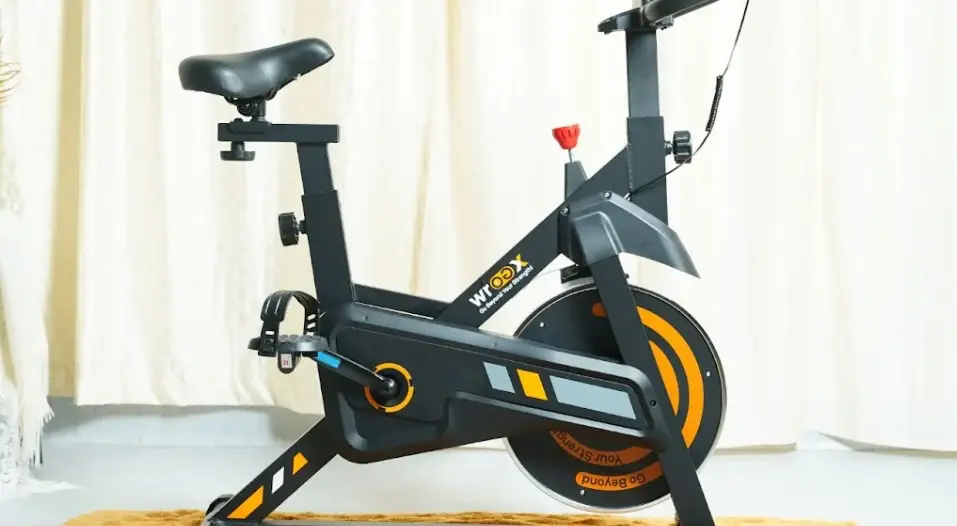
Even small setup errors on your bike or trainer can create repeated stress and lead to overuse injuries. For indoor cycling, where you stay in one position for long periods, proper alignment is even more important.
Common issues caused by small misalignments:
- A saddle just 5 mm too high can increase hamstring strain
- A saddle too low increases pressure on the front of the knee
- Handlebar reach or height affects neck, shoulder, and lower back load
- Cleat position can alter knee tracking and cause discomfort
Simple adjustments you can try at home:
- Check saddle height: when your foot is at the bottom of the pedal stroke, your knee should be slightly bent (about 25–35°).
- Adjust handlebar height: start level with the saddle, then raise or lower slightly to reduce neck or back strain.
- Move cleats slightly forward/back or rotate to comfort your knees — small changes make a big difference.
- Take short standing breaks every 15–20 minutes on long trainer sessions to reduce static load.
While home tweaks help, a professional fitting is the safest way to prevent injury, especially if you ride frequently indoors or are experiencing pain. For the best results, contact a local bike store for a professional fitting.
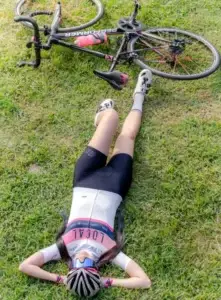 Warning Signs You Should Not Ignore
Cyclists are used to pushing through discomfort. But when pain starts changing the way you move, it’s time to pay attention. Ignoring early symptoms often turns a small overload issue into a longer recovery.
Book a physiotherapy assessment if you notice:
- Pain that alters your pedal stroke or forces compensation
- Swelling around the knee or ankle after rides
- Persistent numbness or tingling in the hands or feet
- Pain that wakes you at night
- Symptoms that last longer than 10–14 days despite rest or load reduction
At Sheddon Physiotherapy and Sports Clinic, our focus is on identifying the cause of your symptoms and guiding you through a structured recovery plan. Early physiotherapy intervention shortens recovery time, reduces the risk of chronic injury, and helps you return to riding safely.
Indoor cycling can keep you fit through the winter, but long training sessions and repetitive motion increase the risk of overuse injuries. From knees and lower back to neck, shoulders, Achilles, and hands, early recognition and targeted physiotherapy are key to staying pain-free.
At Sheddon Physiotherapy and Sports Clinic in Oakville, we focus on assessment, strength, mobility, and load management — helping you address issues before they become serious. Don’t wait for pain to sideline your season.
Book a physiotherapy assessment today and keep your training on track.
Sheddon Physiotherapy and Sports Clinic
📞 905-849-4576
Protect your season. Ride stronger. Recover smarter.
For more info, contact Sheddon Physiotherapy and Sports Clinics in Oakville and Burlington at 905-849-4576.
We are located less than 10 min from Sheridan College Oakville and 6 min East of Oakville Place.
The Burlington physio clinic is located only 5 min west of Spencer Smith Park and 6 min north-west of Burlington Beach, on Plains Rd East.