Skip to content

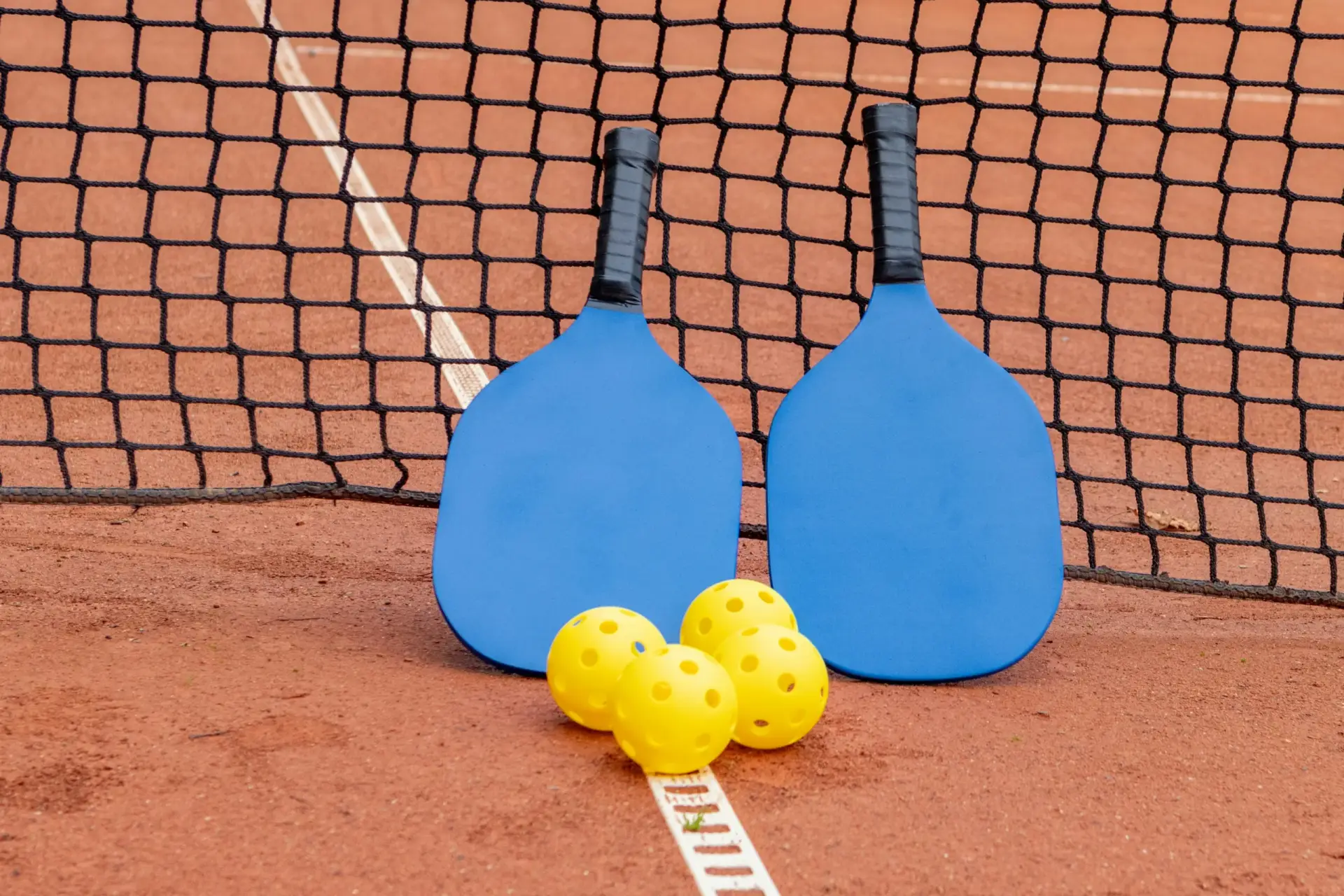


Pickleball is one of the fastest-growing sports in Canada, and across Oakville, more adults are picking up a paddle than ever before.
But alongside that growth, sports medicine research is now showing a clear trend:
👉 Pickleball injuries are on the rise, and they’re not random.
Certain players are more at risk, specific injury types are showing up again and again, and many of them are preventable with the right approach.
At Sheddon Physiotherapy and Sports Clinic in Oakville, we’re seeing these trends firsthand.
Keep reading to find out who is most at risk, why these injuries are happening, what types of injuries are most common, and most importantly, how you can stay ahead of them with smart prevention strategies.
Pickleball Injuries Are Increasing Rapidly

Recent studies using hospital and injury surveillance data show a significant rise in pickleball-related injuries over the past decade, largely driven by increased participation.
What’s unique about pickleball isn’t just the number of injuries, it’s who is getting injured.
👉 Most injuries are occurring in:
- Recreational athletes
- Adults over 50
- Players returning to sport after time off
Unlike many traditional sports, pickleball isn’t dominated by lifelong trained athletes. Instead, it attracts people re-entering activity, which changes the injury profile entirely.
Acute vs. Chronic Injuries in Pickleball
One of the most important developments in current research is recognizing the difference between acute and chronic (overuse) injuries in pickleball.
Acute Injuries (Sudden Onset)
These are the injuries most often reported in emergency settings:
- Falls leading to wrist fractures
- Ankle sprains
- Calf and Achilles strains
Many of these occur due to:
- Quick directional changes
- Reaction time challenges
- Loss of balance on the court
Chronic (Overuse) Injuries
These are the injuries we most commonly treat in clinic:
- Elbow pain (similar to tennis elbow)
- Rotator cuff irritation
- Wrist and forearm tendon issues
These develop over time and are often linked to:
- Repetitive play
- Poor load management
- Limited strength or mobility
👉 Key takeaway:
It’s not just one bad movement—it’s often repetition without preparation.
Age Matters:
Why Older Athletes Are More at Risk

Research consistently shows that pickleball players tend to be older compared to other sports, with many studies reporting average ages in the 50–65+ range.
This matters because the body changes with age:
- Tendons become less elastic
- Muscle recovery slows
- Balance and reaction time decline
- Bone density may decrease
This contributes to higher rates of:
- Falls and fractures
- Achilles and calf injuries
- Shoulder and upper extremity irritation
👉 Important:
This doesn’t mean you shouldn’t play—it means you need a smarter approach to preparation and recovery.
Gender Differences in Pickleball Injuries

Emerging research is also identifying differences in how injuries present between men and women:
- Men tend to experience more muscle strains and joint sprains
- Women, particularly over 60, show higher rates of fractures, often related to falls and bone density changes
👉 This reinforces an important clinical point:
Injury prevention needs to be individualized—not one-size-fits-all.
What Is Prehab and Why Does It Work?
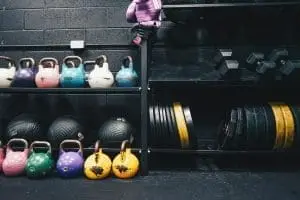
Prehab focuses on preparing your body before injuries happen by improving:
- Strength
- Mobility
- Balance
- Movement efficiency
Pickleball injuries often occur when:
👉 The demands of the sport exceed what your body is prepared for
Prehab helps close that gap.
What a Pickleball Prehab Program Should Include
At Sheddon Physiotherapy and Sports Clinic in Oakville, we design prehab programs based on the latest research and what we see clinically.
1. Strength Training
- Calf and Achilles strengthening → reduces strain risk
- Glute strength → supports knee and hip control
- Rotator cuff strengthening → protects the shoulder
2. Mobility Work
- Ankle mobility for quick movements
- Hip mobility for rotation and control
- Thoracic spine mobility for upper body mechanics
3. Balance & Stability Training
Especially important for:
- Fall prevention
- Court movement
- Reaction control
4. Load Management
One of the most overlooked factors:
- Avoid sudden increases in play time
- Limit back-to-back long sessions
- Gradually build intensity
👉 This alone can significantly reduce injury risk.
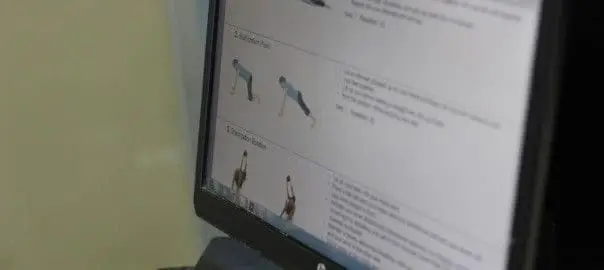
Check out our video below for some injury prevention exercises you can try now!!
What This Means for Oakville Athletes
Pickleball is an incredible sport for:
- Cardiovascular health
- Social connection
- Long-term activity
But it comes with a unique challenge:
👉 Recreational athletes + high repetition + aging bodies = higher injury risk (if not managed properly)
The good news?
Most pickleball injuries are preventable.
When Should You See a Physiotherapist?
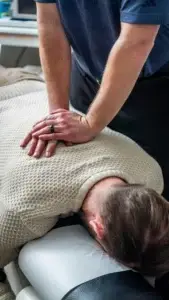
Consider booking an assessment if you:
- Feel stiffness or soreness after playing
- Notice decreased strength or mobility
- Are increasing how often you play
- Are returning to sport after time off
Stay Active, Stay Strong
The goal isn’t to stop playing pickleball, it’s to keep you on the court, pain-free, for years to come.
At Sheddon Physiotherapy and Sports Clinic in Oakville, we help athletes:
✔ Prevent injuries
✔ Recover faster
✔ Build strength and confidence
Book Your Physiotherapy Assessment in Oakville
📍 Sheddon Physiotherapy and Sports Clinic
📞 905-849-4576
Whether you’re new to pickleball or playing multiple times per week, a personalized plan can help you stay ahead of injuries and perform your best.
Pickleball Injury FAQ
Who is most at risk for pickleball injuries?
Recreational adults—especially those over 40—are the most commonly affected. Many are returning to sport after a period of lower activity, and the combination of quick movements with limited preparation can increase injury risk. We also see higher rates in newer players who may not yet have optimal movement patterns or conditioning.
Why are pickleball injuries becoming more common?
It’s a mix of rapid sport growth, increased frequency of play, and the stop-and-go nature of the game. Pickleball involves quick lateral movements, sudden direction changes, and repetitive overhead shots—all of which can stress joints and soft tissues, especially if strength and mobility aren’t well developed.
What are the most common pickleball injuries?
Some of the most frequent injuries we see include:
- Achilles tendon irritation or tears
- Calf and hamstring strains
- Knee pain (including meniscus irritation)
- Shoulder strain or rotator cuff irritation
- Tennis elbow (lateral elbow pain)
- Low back stiffness or pain
Are pickleball injuries usually acute or overuse?
Both. Acute injuries (like muscle strains or ankle sprains) often happen with sudden movements or slips, while overuse injuries develop over time due to repetitive stress—especially in the shoulder, elbow, and knee.
Can beginners get injured, or is it mostly experienced players?
Both groups are at risk—but for different reasons. Beginners may lack conditioning or proper technique, while more experienced players may play more frequently or at higher intensity, increasing cumulative load on the body.
How can I prevent pickleball injuries?
A few key strategies make a big difference:
- Warm up properly before playing (dynamic movement, not just stretching)
- Build lower body strength (glutes, calves, quads)
- Work on balance and agility
- Gradually increase how often and how long you play
- Wear proper court shoes with good grip and support
Is stretching enough to prevent injury?
Stretching alone isn’t enough. While mobility is important, strength, control, and load management are the biggest factors in injury prevention.
When should I seek treatment for a pickleball injury?
If pain persists for more than a few days, affects your movement, or keeps coming back when you play, it’s worth getting assessed. Early treatment can prevent minor issues from becoming longer-term problems.
Can I keep playing if I have some pain?
It depends on the type and severity of pain. Mild discomfort that doesn’t worsen may be manageable, but sharp pain, swelling, or changes in movement are signs to stop and get assessed.
What can physiotherapy do for pickleball players?
Physiotherapy can help you recover from injury, improve strength and mobility, correct movement patterns, and build a plan to keep you playing long-term—without recurring setbacks.