Skip to content







As spring arrives in Oakville, more runners are getting back outside, increasing mileage, and preparing for races like the Around the Bay Road Race and the Toronto Waterfront Marathon.
But every year, we see the same pattern, runners feel great, then suddenly they develop knee pain, shin splints, or foot pain RIGHT before their big race.
So the big question is:
How do you prevent running injuries before they start?
Table of Contents
-
The #1 Mistake That Causes Most Running Injuries in Oakville
-
How to Increase Mileage Safely (Without Getting Injured)
-
3 Things Runners Skip (That Lead to Injury)
-
Why Stretching Isn’t Enough
-
Getting Ready for Race Season
-
Common Running Injuries we see In Oakville
-
When to Get Help
-
Running Injury Prevention Seminar (Oakville)
The #1 Mistake That Causes Most Running Injuries in Oakville

The biggest cause of running injuries isn’t your shoes, your form, or your flexibility.
👉 It’s training errors—doing too much, too fast.
This often happens when:
-
Mileage increases too quickly
-
Speed work is added too early
-
Recovery is skipped
Your body needs time to adapt to training load. Without that adaptation, tissues like muscles, tendons, and joints become overloaded and pain follows.
How to Increase Mileage Safely (Without Getting Injured)

One of the most common searches we see is:
“How do I increase mileage without getting hurt?”
Here’s what actually works:
✅ Follow the 10% Rule
Increase your weekly mileage by no more than 10%.
✅ Manage Your Total Load
Running isn’t the only stress on your body. Work, sleep, strength training, and life all add up.
👉 If everything increases at once, injury risk rises quickly.
✅ Space Out Hard Efforts
Avoid stacking:
-
Long runs
-
Speed workouts
-
Back-to-back hard days
Your body adapts between sessions, not during them.
3 Things Runners Skip (That Lead to Injury)
Even experienced runners miss these:
1. A Proper Warm-Up
Heading straight out the door puts extra stress on your joints early in the run.
Try this quick warm-up:
👉 This improves muscle activation and reduces early strain.
2. Strength Training for Runners
Weakness—especially in the hips and calves—is one of the biggest drivers of injury.
Focus on:
-
Glutes (bridges, squats)
-
Calves (heel raises)
-
Single-leg control (split squats, step-downs)
👉 Just 2 sessions per week can significantly reduce injury risk.
Check out our post on the BEST strength training exercises for runners here.
3. Recovery
This is the most overlooked piece of training.
Make sure you include:
-
Rest days
-
Easy runs
-
Good sleep
👉 Recovery is where your body actually gets stronger.
Why Stretching Isn’t Enough

Many runners rely heavily on stretching to prevent injury.
While flexibility can help, it doesn’t address the main causes of running injuries:
-
Poor load management
-
Strength deficits
-
Movement inefficiencies
👉 You can be very flexible, and still get injured if your body isn’t prepared for the demands of running.
Getting Ready for Race Season

If you’re training for a spring or summer race, now is the time to dial in your training.
Focus on:
-
Gradual mileage progression
-
Consistent strength work
-
Smart recovery
Small adjustments now can mean the difference between:
✅ Feeling strong on race day
❌ Missing your race due to injury
Common Running Injuries We See in Oakville

If you’ve been searching things like “why does my knee hurt when I run?” or “foot pain after running,” you’re not alone. These are some of the most common running injuries we see in Oakville:
Runner’s Knee (Patellofemoral Pain)
Pain around or behind the kneecap, often worse with running, stairs, or sitting for long periods.
👉 Common causes include weak hips, poor control, or sudden increases in mileage.
Shin Splints
Pain along the front or inside of the shin, especially during or after runs.
👉 Often linked to training errors, rapid mileage increases, or running on hard surfaces. Click here to learn more.
Plantar Fasciitis
Heel or arch pain, typically worse with the first steps in the morning or at the start of a run.
👉 Can be related to calf tightness, foot mechanics, and overload. Click here to learn more.
Achilles Tendon Pain
Pain or stiffness in the back of the ankle, especially with running or pushing off.
👉 Common in runners who increase speed work or hill training too quickly. Click here to learn more.
IT Band Syndrome
Pain on the outside of the knee, often worsening the longer you run.
👉 Frequently linked to hip weakness and poor running mechanics. Click here to learn more.
When Should You Get Help?
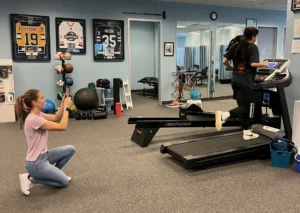
If you notice:
-
Pain that doesn’t go away when you warm up
-
Pain during or after running
-
A recent spike in training load
👉 It’s worth getting assessed early.
At Sheddon Physiotherapy and Sports Clinic in Oakville, we help runners:
-
Identify the root cause of pain
-
Improve running mechanics
-
Build strength specific to running
Whether you’re training for your next race or just trying to get back on track, our physiotherapists are here to help you run pain-free!
Book your assessment today – call us at (905) 849-4576
Running Injury Prevention Seminar (Oakville)
Want to stay injury-free this running season?
Join the expert team at Sheddon Physiotherapy & Sports Clinic for an upcoming running seminar on March 28 focused on the key pillars of injury prevention:
- strength;
- mobility;
- and effective warm-ups.
Whether you’re training for your next race or simply love getting out for a run, this informative session will break down how targeted strength work, improved mobility, and smart pre-run routines can enhance performance and keep common running injuries at bay.
We will also be giving away 2 free foam rollers in a random draw of all those that attend to aid in your injury prevention! Don’t miss this opportunity to gain practical tips you can immediately incorporate into your training and stay one step ahead of injury this running season! Use the link provided to sign up and be entered for a chance to win 1 of 2 foam rollers https://forms.gle/cS9CwXXYwLGKHxdT9
We’d love to see you at our upcoming running seminar!!
If you can’t make it, our team is here to help. Book an assessment with one of our running-focused physiotherapists for a detailed gait analysis, personalized exercise plan, and clear answers about what’s causing your pain.
Getting ahead of an injury now can save you weeks (or months) off running later.
Running Injury Prevention FAQs
How do I prevent running injuries?
Focus on gradual mileage increases, strength training, proper warm-ups, and recovery.
How quickly can I increase my running mileage?
Most runners should follow the 10% rule to avoid overload.
Do I need strength training as a runner?
Yes—strength training helps reduce injury risk and improve performance.
Is it okay to run through pain?
Mild discomfort may be manageable, but persistent or worsening pain should be assessed.