



Summary:
Groin pulls are one of the most common and frustrating injuries for ice hockey players at all levels. From biomechanical imbalances to poor warm-up routines, a range of factors can increase your risk of injury on the ice. This article explores the root causes of groin injuries, effective prevention techniques, and rehab strategies tailored for hockey players. At Sheddon Physiotherapy and Sports Clinic in Oakville and Burlington, our team of physiotherapists, chiropractors, and massage therapists offers expert care to help players prevent, treat, and recover from groin injuries—so they can skate strong, all season long.
Index:
- Key Risk Factors for Groin Injuries in Ice Hockey Players
- Understanding the Mechanics to Prevent Injury
- How to Properly Warm Up and Stretch to Prevent Groin Pulls
- The Role of Strength and Conditioning in Groin Injury Prevention
- Top 3 Strengthening Exercises for Groin Injury Prevention in Hockey
- Rehabilitation Techniques and Recovery Strategies for Groin Injuries
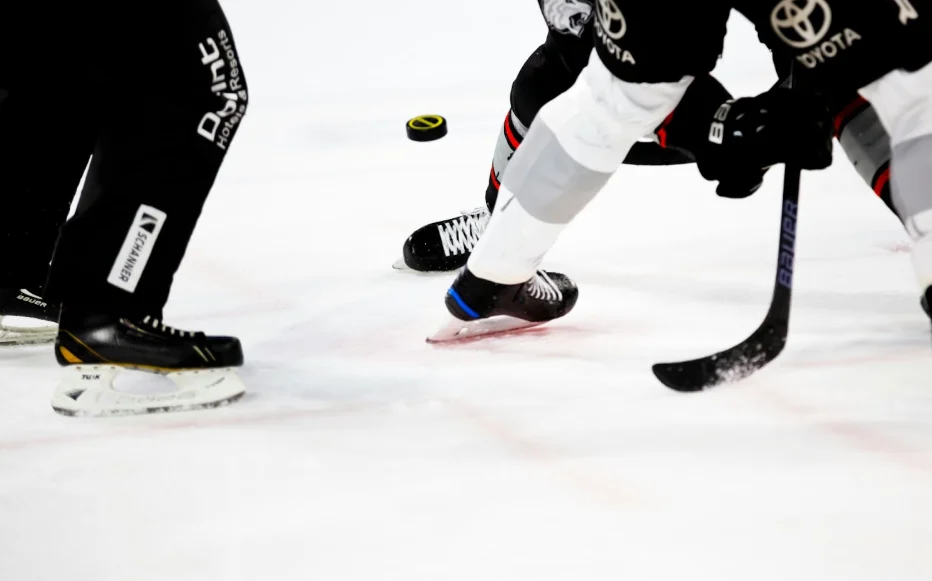
As the hockey season gets underway in Oakville, it’s a great time to focus on injury prevention to keep players healthy, strong, and game-ready. While hockey players face a range of potential injuries, one of the most common and frustrating setbacks is the dreaded adductor strain—better known as a groin pull. With the fast-paced skating, quick changes in direction, and explosive movements hockey demands, groin injuries can derail a season. Whether you’re playing in the NHL or a local house league, these injuries can take you off the ice. The good news? With proper prevention and treatment strategies, you can stay ahead of the risk—and Sheddon Physiotherapy and Sports Clinic in Oakville and Burlington is here to help.

Key Risk Factors for Groin Injuries in Ice Hockey Players
There are several key factors that raise a hockey player’s risk of groin injury, and recognizing them is the first step toward prevention:
- Muscle imbalances – Weak or tight adductors compared to surrounding hip muscles.
- Explosive skating demands – Quick accelerations, stops, and turns.
- Cold environment – Reduced muscle flexibility on the ice.
- Fatigue and overuse – Repetitive strain without adequate recovery.
At Sheddon Physiotherapy and Sports Clinic, we emphasize functional movement assessments to identify these risk factors early. This allows us to design tailored strength and mobility programs that improve balance across the hip and groin muscles.

Understanding the Mechanics of Skating in Hockey to Prevent Injury
Skating isn’t just about moving forward—it’s a coordinated movement that relies on multiple muscles working together. To stay healthy and prevent groin injuries, players need a balance between propulsive muscles (the ones that generate power) and stabilizing muscles (the ones that control and support the movement).
Propulsive Muscles
- These muscles provide the power to push off the ice and accelerate.
- Key muscles: glutes, quadriceps, hamstrings, and hip abductors.
- Exercise examples:
- Squats: Strengthen glutes and quads for powerful pushes.
- Lunges (forward and lateral): Mimic skating stride mechanics and build leg strength.
- Jump squats: Improve explosive power for starts and quick direction changes.
- Squats: Strengthen glutes and quads for powerful pushes.
Stabilizing Muscles
- These muscles control the movement and keep the hips and pelvis stable during skating.
- Key muscles: adductors (inner thighs), hip flexors, core muscles.
- Exercise examples:
- Side-lying leg lifts or adductor squeezes: Strengthen inner thighs to prevent groin strain.
- Planks (front and side): Build core stability to support hip and leg movements.
- Single-leg balance or single-leg Romanian deadlifts: Train the body to maintain stability during stride.
- Side-lying leg lifts or adductor squeezes: Strengthen inner thighs to prevent groin strain.
Why Balancing these Muscles Matters
If your propulsive muscles are strong but your stabilizers are weak, your hips and groin take extra strain. This imbalance is a major reason groin injuries occur in hockey. Conversely, strong stabilizers without adequate power can limit speed and explosiveness. Effective skating performance and injury prevention come from training both muscle groups in coordination. For example, a lunge with a twist or skater hops works both the stabilizers (keeping balance) and propulsive muscles (power to push off).
With the right strategies in place, hockey players can reduce their risk of groin injuries and perform at their best all season long.
How to Properly Warm Up and Stretch to Prevent Groin Pulls
Preventing a groin injury starts with a proper warm-up and dynamic stretching routine. Dynamic stretching helps increase flexibility and mobility, ensuring that the muscles are prepared for the sudden movements required in hockey. Focusing on the hip flexors, adductors, and hamstrings through exercises like leg swings, lateral lunges, and hip circles helps activate the key muscles involved in skating. Watch our dynamic stretching video here.
At Sheddon Physiotherapy in Oakville and Burlington, we emphasize the importance of a complete warm-up routine. By incorporating mobility exercises, players can reduce the risk of groin injuries and skate more efficiently throughout the game.

The Role of Strength and Conditioning in Groin Injury Prevention
Strength and conditioning play a key role in keeping hockey players healthy and reducing the risk of groin injuries. The adductors, hip flexors, and abductors all work together to generate power during skating while keeping the hips and pelvis stable. When these muscles are weak or imbalanced, the groin is more likely to get strained.
At Sheddon Physiotherapy and Sports Clinic, we offer specialized strength training programs that target the muscles most involved in hockey movements. Exercises include:
- Single-leg squats and lunges (forward and side): Build balanced strength in the legs while improving stability.
- Resistance band exercises for adductors, abductors, and hip flexors: Help strengthen muscles that are crucial for skating mechanics.
- Core exercises (planks, side planks, and rotational work): Enhance stability and control during explosive movements.
- Plyometric exercises (box jumps, lateral bounds, and skater hops): Develop the explosive power needed for quick starts, stops, and direction changes on the ice.

Top 3 Strengthening Exercises for Groin Injury Prevention in Hockey
To give you a closer look at practical ways to protect against groin injuries, our physiotherapist Kurt demonstrates three of the best strengthening exercises for hockey players. Kurt has a strong interest in working with athletes of all ages and sports, with a special passion for helping hockey players stay strong, healthy, and performing at their best.
In this video, he walks through:
- Copenhagen Adductor Exercise – a targeted movement to strengthen the adductors and reduce groin strain risk.
- Side Lunges with a Kettlebell – to build power, balance, and lateral strength.
- Hip Flexion with Abduction and Return in Long Sitting – a dynamic drill to challenge hip flexors, stabilizers, and control through hockey-specific ranges of motion.
These exercises are simple to incorporate into training and can make a big difference in preventing injuries and boosting on-ice performance.
By regularly engaging in these strength and conditioning routines, hockey players in Oakville and Burlington can improve muscle balance, support proper skating mechanics, and lower the likelihood of groin injuries—all while enhancing their overall performance on the ice.
Rehabilitation Techniques and Recovery Strategies for Groin Injuries
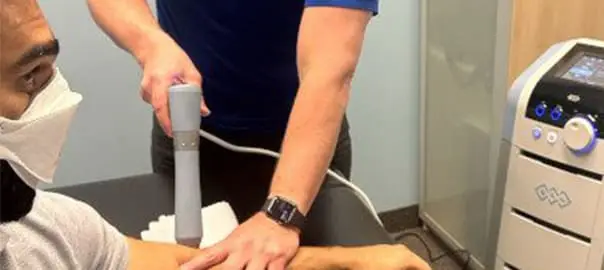
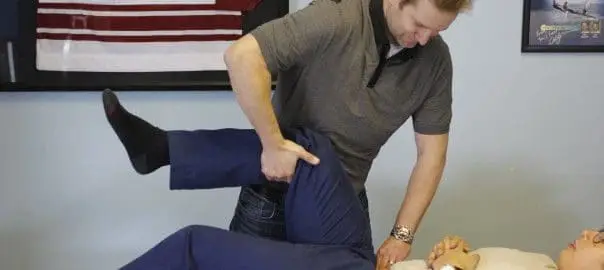
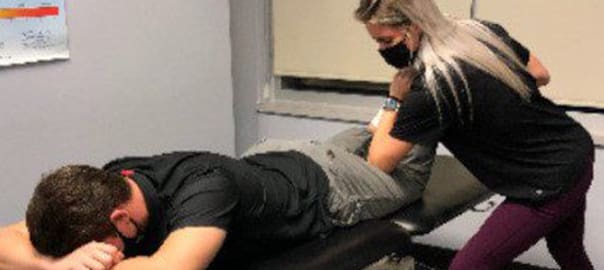
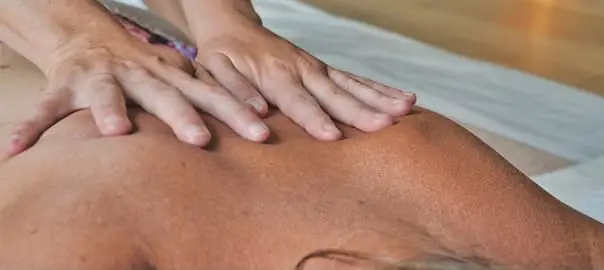
Recovering from a groin injury requires a multifaceted approach. At Sheddon Physiotherapy and Sports Clinic in Oakville and Burlington, we use a combination of manual therapy, massage, and rehabilitation exercises to help players recover and return to the ice safely. Manual therapy techniques, such as soft tissue release and joint mobilizations, are used to reduce muscle tightness, improve flexibility, and alleviate pain in the hip and groin region.
Once the acute pain from the injury subsides, we introduce strengthening exercises designed to rebuild the affected muscles. These exercises target the hip flexors, adductors, and abductors, with a focus on gradual progression to prevent re-injury.
Additionally, sport-specific movements are included in the rehabilitation plan, allowing athletes to regain full function and confidence on the ice. Often our athletes transition to seeing our physiotherapists at our satellite clinic within OAA – a training facility designed for athletes. This unique setup gives our patients the perfect environment to transition from injury recovery back to peak performance. Learn more about our setup at OAA here.
At Sheddon Physiotherapy and Sports Clinic, our commitment to excellence and comprehensive care ensures athletes receive the support they need to thrive on and off the ice. Don’t let a groin pull derail your season – contact Sheddon Physiotherapy and Sports Clinics in Oakville at 905-849-4576 and Burlington at 905-332-1070 to learn more about injury prevention strategies and effective treatment options. Your journey to optimal performance starts here.
We are located only 6 min East of Oakville Place and 4 min from Oakville & Milton Humane Society.
The Burlington physio clinic is located only 5 min west of Spencer Smith Park and 6 min north-west of Burlington Beach, on Plains Rd East.