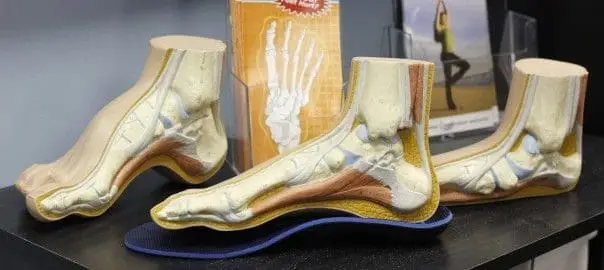








If you’ve spent any time in the world of HYROX, you already know, your shoulders and knees tend to be the first to “speak up.” And it’s no surprise. These joints are under constant demand across nearly every station, from the sled push and pull to those high-rep burpee broad jumps.
But here’s the shift in mindset: instead of seeing aches and tightness as setbacks, start viewing them as feedback. Your body is pointing you toward areas that need a little more strength, control, and resilience.
Why Shoulder Pain Happens in HYROX:
Stability + Mobility = Performance

Strong HYROX performance demands shoulders that are both stable and mobile. It’s not just about strength, it’s about control.
At our clinics in Oakville and Burlington, we often see athletes overloading their shoulders due to:
- Poor scapular control
- Limited thoracic spine mobility
- Fatigue during overhead movements like wall balls and carries
When the shoulder blade isn’t doing its job, the joint itself takes on too much stress.
By improving how the shoulder blade moves and ensuring the upper back has enough mobility, you can:
- Reduce unnecessary strain on the shoulder joint
- Improve efficiency in overhead movements
- Build long-term durability
Best Exercises for Shoulder Stability in HYROX
- Banded external rotations
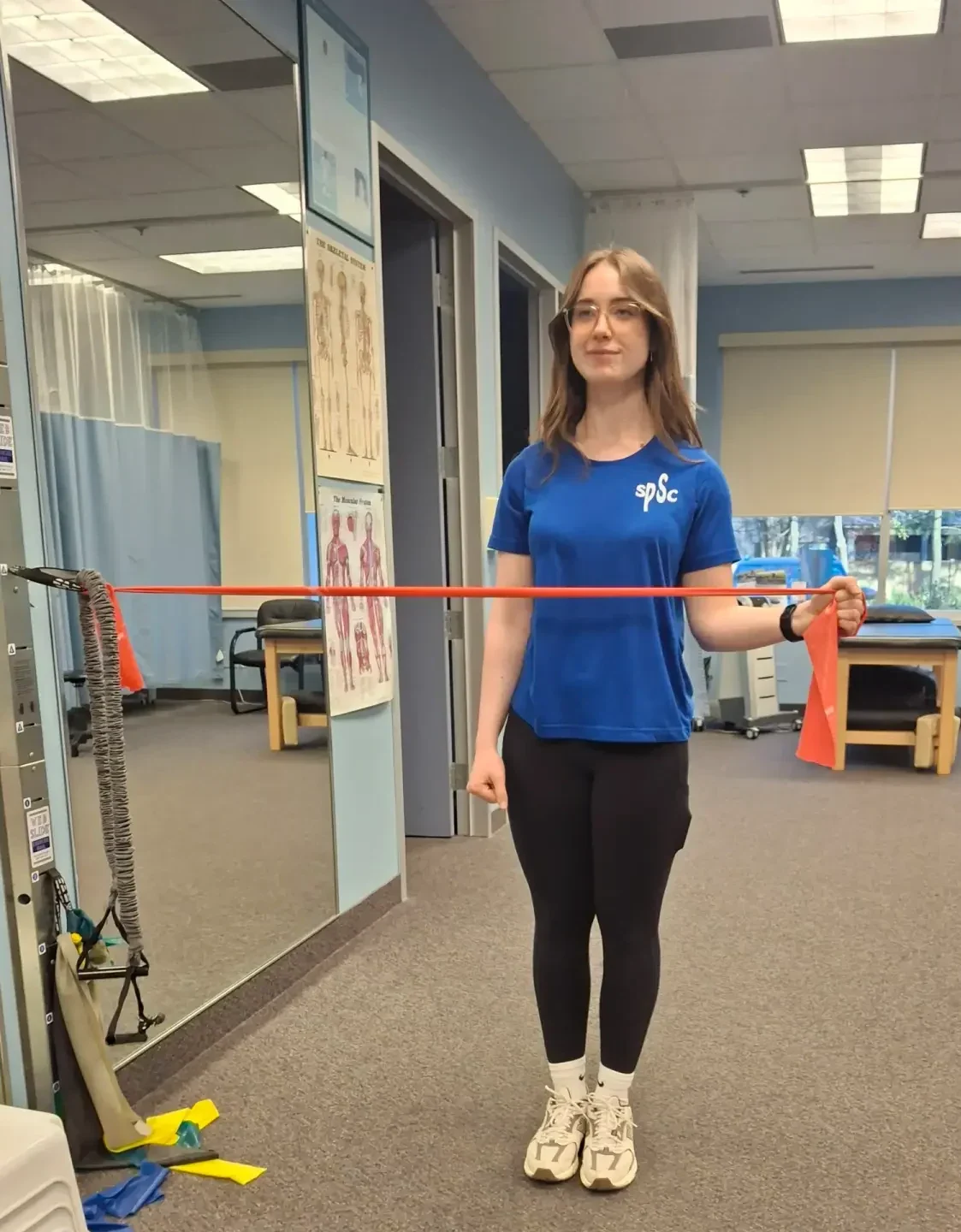
- Serratus anterior wall slides

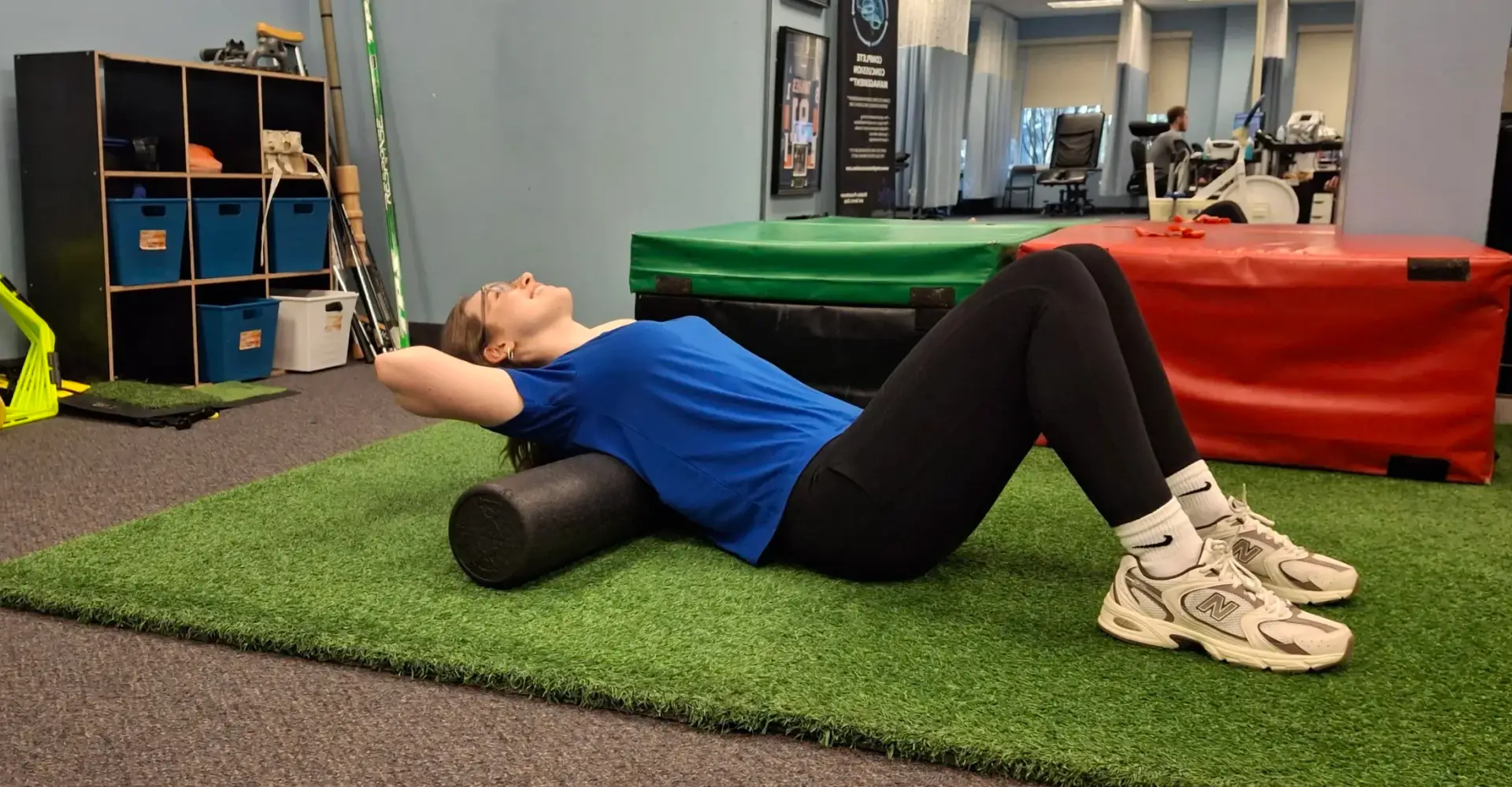
- Thoracic spine extensions over a foam roller
Why Knee Pain Happens in HYROX Training:
It Starts at the Hips

When it comes to knee pain during running or burpee broad jumps, the issue is often above the joint, not at it.
Your glutes and posterior chain act as your primary shock absorbers. If they’re not firing properly, your knees take on more load than they should, especially during:
- Running intervals
- Lunges
- Plyometric movements
That’s where proper load management and targeted strength work come in. When your hips are doing their job, your knees are better protected from repetitive stress and high-impact forces.
Best Exercises to Protect Your Knees
- Side planks with clams
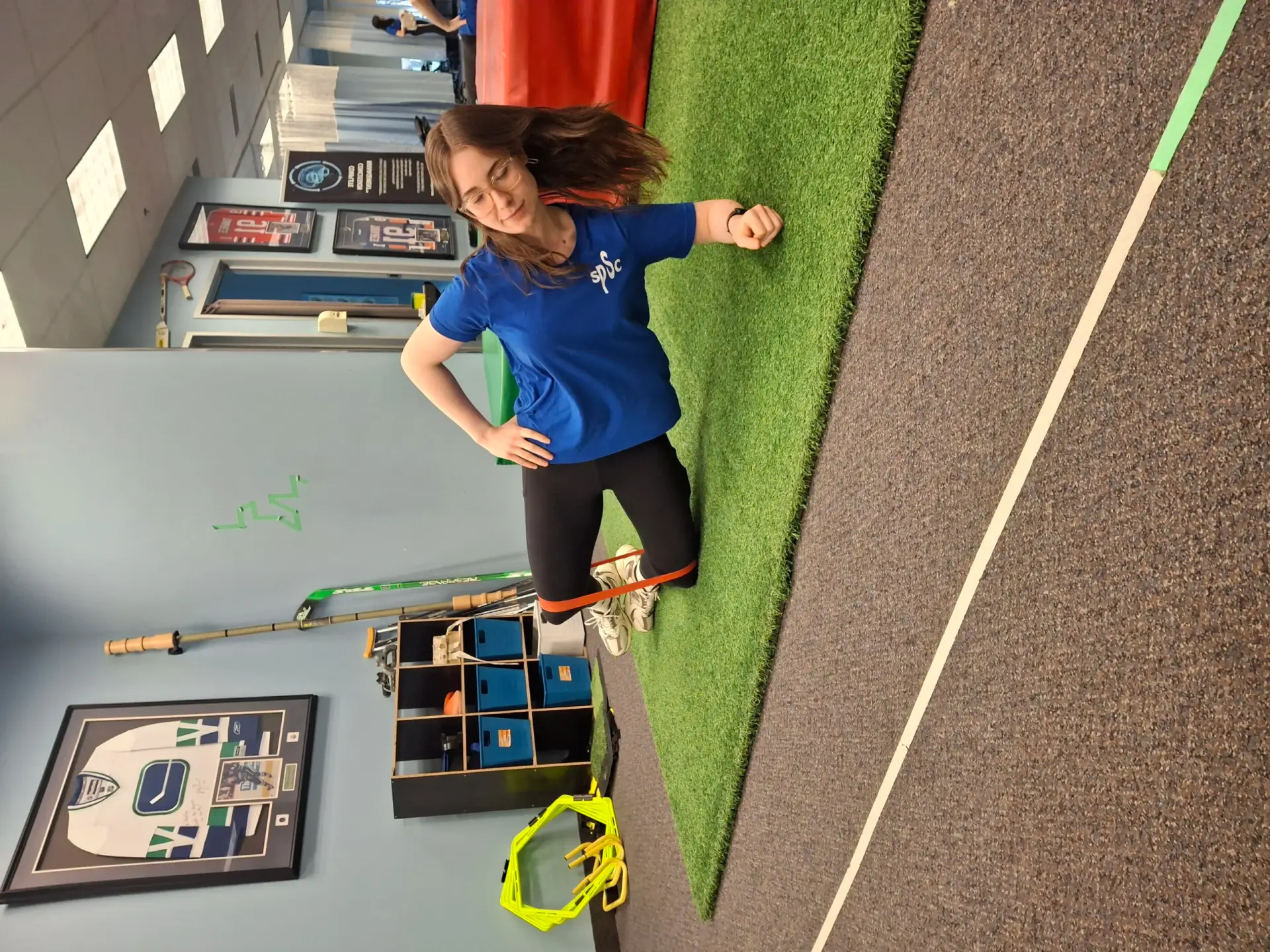
- Lateral band walks
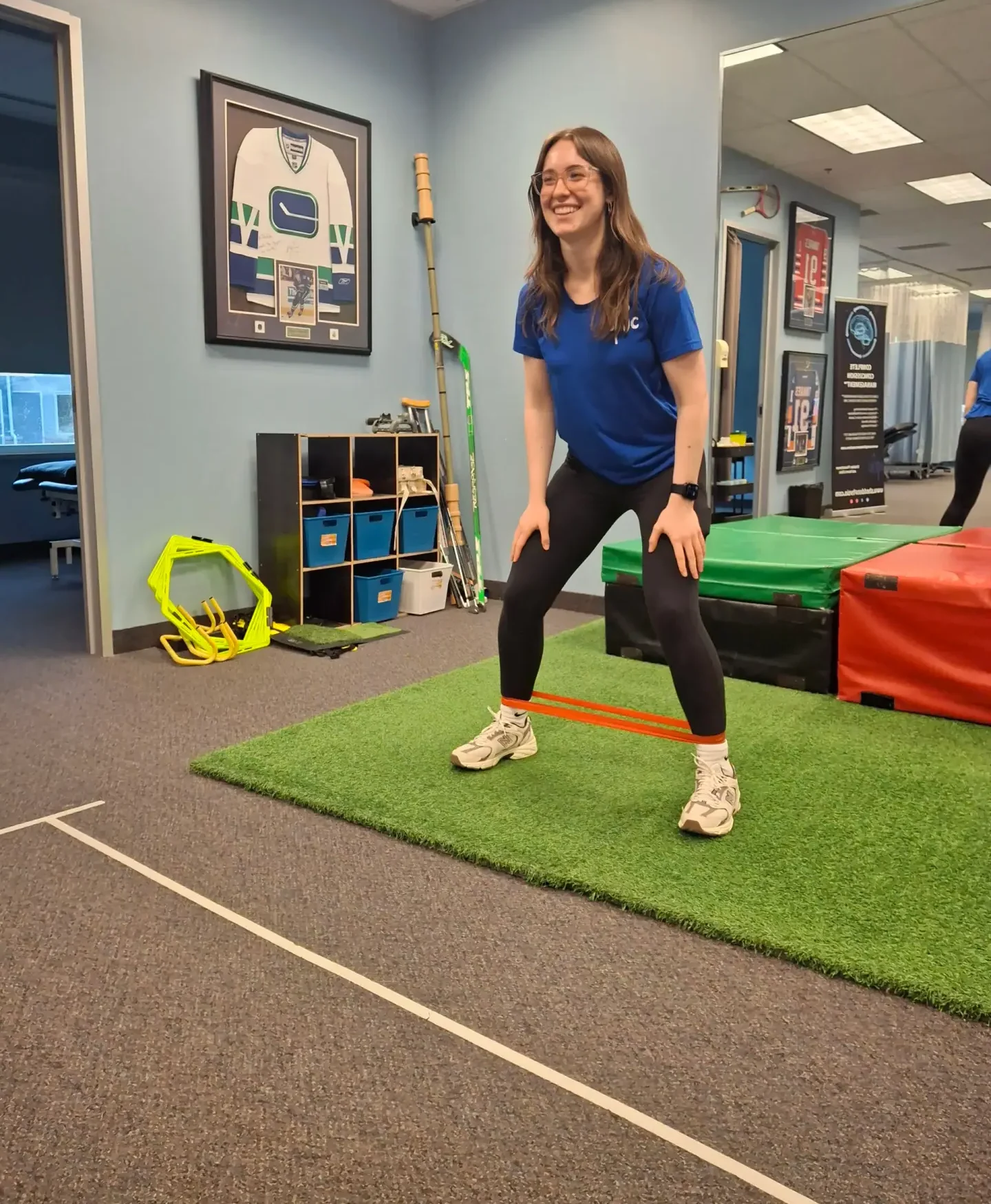
- Step-downs

Quick Challenge
Before your next run or HYROX session, try adding 5–10 minutes of glute activation. Check out our video below for a quick and easy glute activation warm up.
How to Prevent HYROX Injuries
The key to staying healthy in HYROX training comes down to:
- Building strength in the right places
- Maintaining mobility where you need it
- Managing training load over time
Small adjustments in your program can make a big difference in how your body handles volume and intensity.
Stay Strong for Your Next Race
Don’t wait for a stiff shoulder to become a chronic injury, or for knee pain to sideline your next race.
If you’re dealing with shoulder or knee pain during HYROX training, our team at Sheddon Physiotherapy and Sports Clinic in Oakville and Burlington can help you build a personalized plan to stay strong, resilient, and injury-free.
Book an Appointment
Ready to get ahead of your pain and perform at your best?
📞 Call us: 905-849-4576
Our team is here to help you move better, feel stronger, and stay in the game.
Stay strong. Stay consistent. Keep moving forward.
HYROX Injury FAQs
What are the most common HYROX injuries?
Shoulder and knee pain are among the most common due to repetitive load, fatigue, and high training volume.
Should I train through shoulder pain in HYROX?
Mild discomfort can sometimes be manageable, but persistent pain is a sign that something needs to be addressed.
How can I prevent knee pain during HYROX training?
Focus on glute strength, proper movement mechanics, and gradually progressing your training load.