






As the weather finally warms up in Oakville, many people spend the May long weekend tackling spring projects, cleaning up gardens, planting flowers, opening patios, hauling outdoor furniture, power washing decks, or heading north to open the cottage and put the dock in the water.
While these activities are a welcome sign of spring, they also lead to a sharp increase in injuries every year. At Sheddon Physiotherapy and Sports Clinic, we commonly see people develop low back pain, knee pain, shoulder strains, and neck stiffness, after a busy spring weekend filled with yardwork and heavy lifting.
The good news? A few simple strategies can go a long way in helping prevent injury. Keep reading to learn more.
Gardening:
Great for Mental Health, Tough on the Body

Gardening is one of the most common causes of spring aches and pains. Tasks like weeding, planting, digging, mulching, and raking involve repetitive bending, twisting, kneeling, and lifting that can quickly irritate muscles and joints.
Common Gardening Injuries We See Every Spring
Low back strain
Often caused by repetitive bending, lifting heavy bags of soil or mulch, or twisting while planting or weeding. This is the most frequent spring complaint.
Knee pain (including flare-ups of arthritis)
Prolonged kneeling, squatting, or getting up and down repeatedly can irritate the kneecap, joint surfaces, and surrounding tendons.
Shoulder and rotator cuff irritation
Reaching forward for long periods, raking, digging, pruning, and overhead trimming can overload the shoulder muscles, especially when done for hours.
Neck stiffness and upper back pain
Looking down for extended periods while weeding or planting often leads to muscle tightness and postural strain.
Elbow and wrist tendinopathy
Repetitive gripping from tools such as pruners and rakes can irritate the forearm tendons, sometimes leading to “tennis elbow” type symptoms.
Hip and glute soreness
Long periods of kneeling or squatting without changing position can cause stiffness and fatigue in the hips and glute muscles.
Tips to Prevent Gardening Pain

Warm up before you start
Just like exercise, gardening is physical work. A 5–10 minute warm-up helps prepare your muscles and joints:
- brisk walk around the yard or neighbourhood
- gentle back bends (hands on hips, lean back slightly)
- shoulder rolls and arm swings
- easy hip circles or marching on the spot
Use better body positions (protect your back and knees)
- Hinge at your hips instead of rounding your back
- Bend your knees rather than reaching from your spine
- Avoid staying bent forward for long periods
- Kneel on a pad or use a low garden stool when possible
- Switch between kneeling, standing, and sitting positions regularly
Lift smarter, not heavier
- Break soil, mulch, or stone bags into smaller loads
- Keep objects close to your body when lifting
- Avoid twisting while carrying anything heavy
- Turn your whole body instead of twisting through your back
- Ask for help with heavier items like patio stones or dock pieces
Take “microbreaks” every 20–30 minutes
Short breaks prevent fatigue from building up:
- stand tall and stretch backward gently
- walk for 30–60 seconds
- shake out your hands and shoulders
- change tasks (switch from digging to raking, etc.)
Stay hydrated and pace yourself
Fatigue increases injury risk:
- drink water regularly, especially on warm days
- avoid trying to finish everything in one day
- spread larger yardwork projects across the weekend or week
Use the right tools
Small ergonomic changes make a big difference:
- long-handled tools to reduce bending
- lightweight watering cans or hose attachments
- knee pads or garden benches
- wheelbarrows or garden carts for transport


Opening the Cottage

For many families in Oakville, the long weekend doesn’t just mean gardening and yard cleanup, it also marks the start of cottage season. While exciting, opening the cottage often involves a full day (or weekend) of physically demanding tasks that the body is not always prepared for after winter.
Dock installation, lifting boats, carrying bins up uneven terrain, moving furniture, and hauling supplies all combine to create a perfect storm for injury.
Why Cottage Injuries Happen So Often
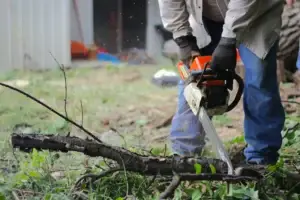
Cottage opening injuries typically occur due to a combination of factors:
- Sudden increase in workload after a relatively inactive winter
- Heavy, awkward lifting (dock sections, watercraft, storage bins)
- Unstable or uneven surfaces around water and shoreline
- Fatigue from long days of continuous work
- Twisting and lifting at the same time
- Trying to finish everything in one trip or weekend
When the body is tired and the demands keep increasing, coordination and strength decrease, making injuries more likely.
Common Cottage-Related Injuries
At Sheddon Physiotherapy and Sports Clinic, we frequently see the following injuries after the long weekend cottage rush:
- Low back strains from lifting dock sections, coolers, or heavy bins
- Shoulder injuries from overhead lifting, boat handling, or carrying awkward objects
- Knee pain or flare-ups from walking on uneven terrain or repeatedly getting up and down from docks or boats
- Slips, trips, and falls on wet, slippery, or unstable surfaces
- Tendon overuse injuries from repetitive lifting, gripping, or pulling tasks
- Neck and upper back stiffness from prolonged carrying or awkward posture
Often, it’s not one single “big lift” that causes the issue, it’s the accumulation of repetitive tasks done while fatigued.
Cottage Safety Tips
A few simple strategies can significantly reduce injury risk:
- Lift with a partner whenever possible—especially for dock sections or heavy equipment
- Avoid lifting and twisting at the same time; turn your whole body instead
- Wear supportive, non-slip footwear for uneven and wet surfaces
- Break larger tasks into smaller blocks over the weekend rather than doing everything at once
- Take regular rest breaks before fatigue sets in—not after
- Stay hydrated throughout the day
- Use carts, dollies, or mechanical assistance whenever available
Don’t Forget the Drive:
The Hidden Cause of Cottage Back Pain

The long weekend doesn’t just involve gardening and cottage work — it also involves a long car ride north. That drive itself can be a major trigger for low back pain and stiffness, especially when it’s followed immediately by heavy lifting or yardwork.
Sitting for extended periods places sustained pressure on the spine and can tighten the hip flexors and hamstrings. This often leads to:
- low back stiffness
- difficulty standing up straight after the drive
- increased risk of strain when lifting or twisting right away
- “locked up” feeling in the hips and pelvis
When you then jump straight into unloading the car or doing physical work, the spine is not yet ready for load-bearing activity.
Simple Ways to Protect Your Back During the Drive
A few small adjustments can make a big difference:
Adjust your seat properly
- Sit with your hips slightly higher than your knees if possible
- Keep your seat close enough that you are not reaching for the pedals
- Maintain a slight recline (not fully upright, not slouched)
- Use a small lumbar roll or towel behind your low back for support
- Keep shoulders relaxed and supported by the seat
Change positions during the drive
- Shift your seating position slightly every 20–30 minutes if safe
- Avoid staying locked in one posture for the entire trip
Take movement breaks
On longer drives:
- stop every 60–90 minutes if possible
- walk for 2–5 minutes
- gently stretch hips and lower back before getting back in the car
How Physiotherapy Can Help

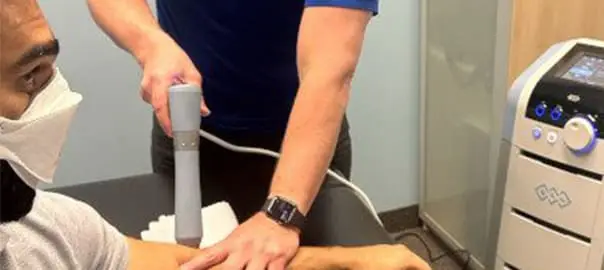
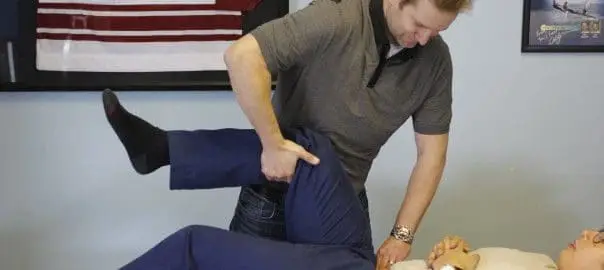
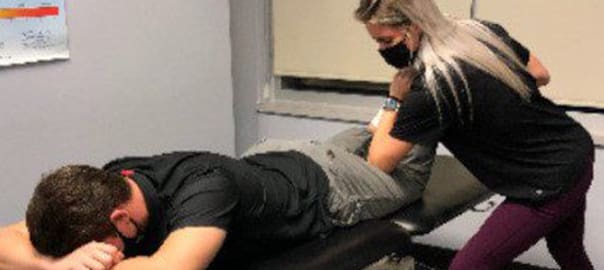
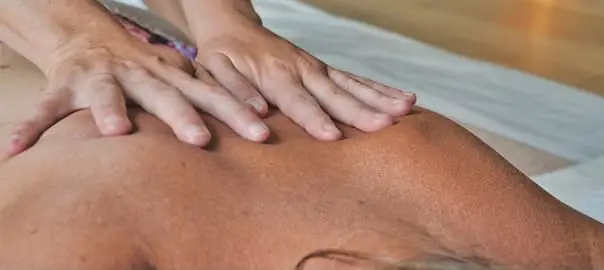
At Sheddon Physiotherapy and Sports Clinic, we help many Oakville residents recover from and prevent seasonal injuries related to gardening, yardwork, sports, and cottage activities.
Physiotherapy can help with:
- Low back pain
- Knee pain
- Shoulder strains
- Tendon irritation
- Mobility limitations
- Strength and flexibility programs
- Injury prevention strategies
Enjoy the Long Weekend Without Injuries
Spring in Oakville is meant to be enjoyed, whether that means gardening, spending time outdoors with family, heading to the cottage, or getting active again after winter. A little preparation, pacing, and attention to body mechanics can go a long way toward preventing injuries that may otherwise linger for weeks or months.
If you know your body may need a little TLC after the long weekend, now is a great time to book your appointment ahead of time. Whether it’s soreness from yard work, opening the cottage or a busy weekend with the family, planning ahead can help you get back to feeling your best quickly.
And if Tuesday rolls around and something new has popped up — don’t worry. We do have evening appointments available to help get you in as soon as possible so you can start feeling better sooner.