



Padel is quickly gaining popularity across Oakville, and for good reason. It’s fast-paced, and easier to pick up than traditional tennis. But as more players hit the court, we’re also seeing a rise in padel-related injuries at Sheddon Physiotherapy and Sports Clinic.
Whether you’re new to the sport or playing multiple times a week, the right preparation can make all the difference in keeping you healthy and on the court.
Keep reading to learn more about common padel injuries and how to prevent them!
What is Padel??
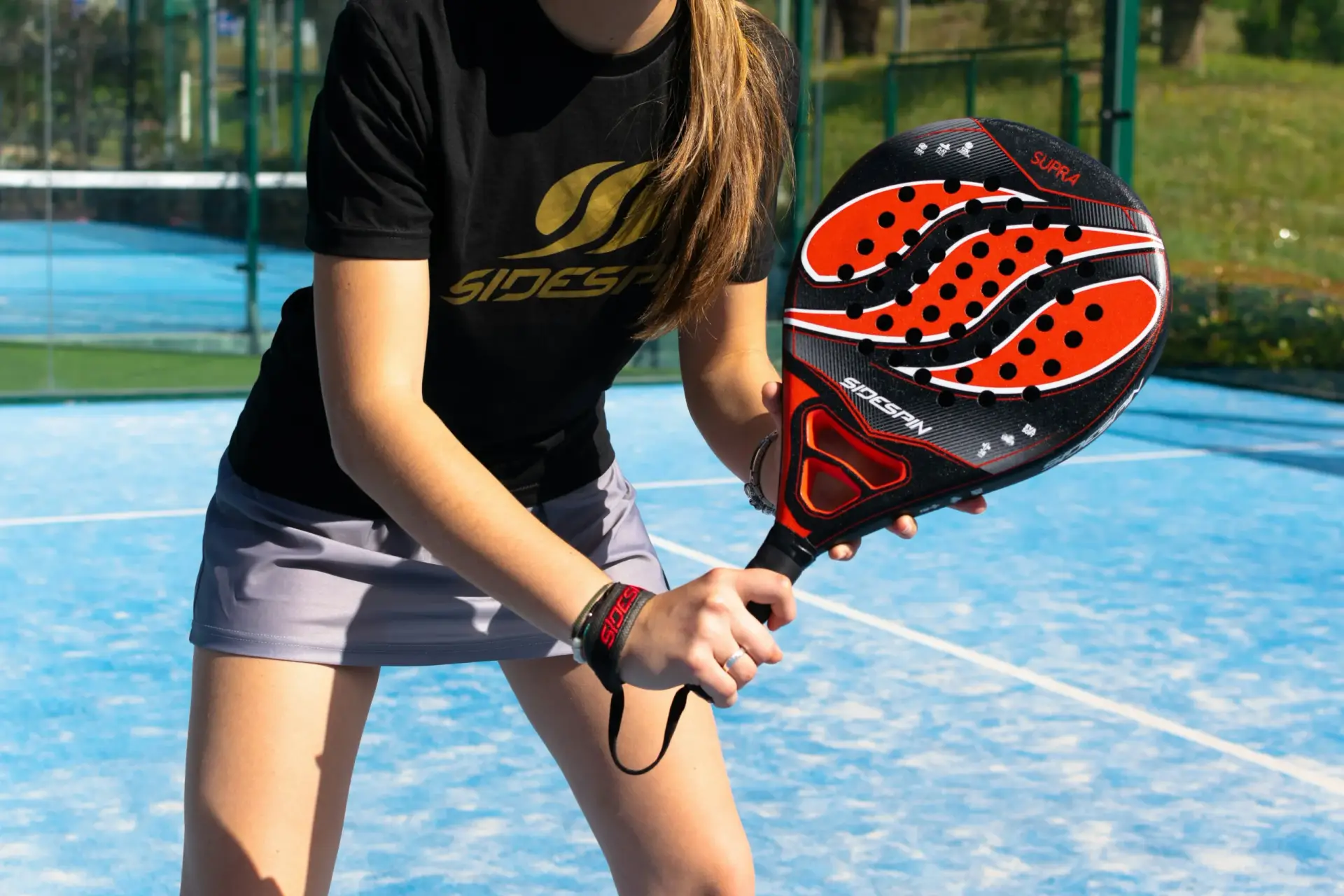
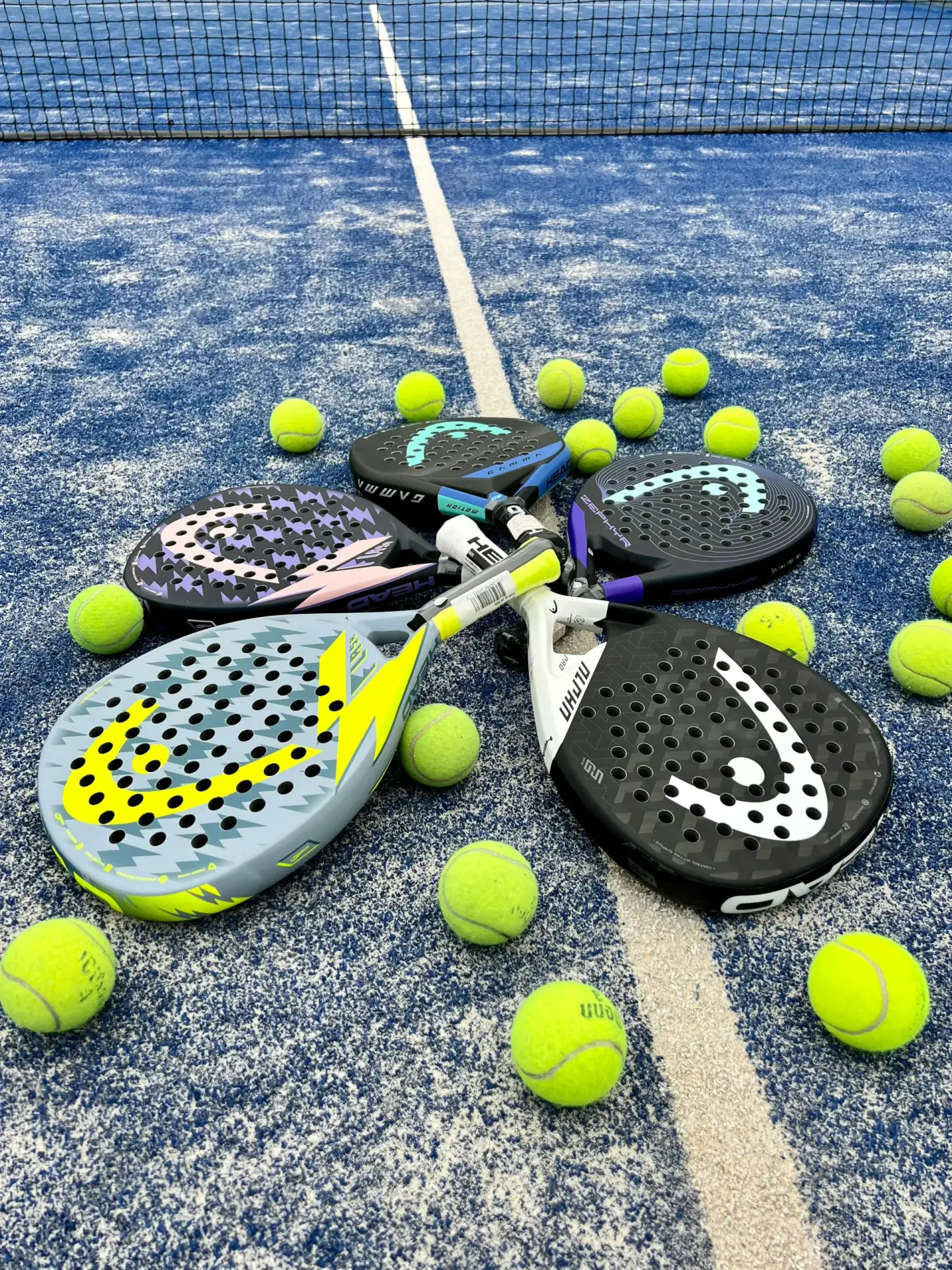
Padel is a fast-growing racquet sport that combines elements of tennis and squash. It’s typically played in doubles on a smaller enclosed court surrounded by glass walls, which are part of the game, so the ball stays in play for longer and rallies tend to be more continuous and strategic rather than purely power-based. Players use solid, stringless racquets and serve underhand, making it easier to pick up than traditional tennis.
Compared to other racquet sports, padel sits in a “middle ground.” It’s easier to learn than tennis because the court is smaller, the ball moves slower, and technique is more forgiving, but it still requires good movement, coordination, and quick reactions. Unlike squash, it’s generally less physically intense and has more time between explosive efforts, though it still involves frequent changes of direction and rotational hitting. Compared to pickleball, padel is typically a bit more dynamic and higher load on the body due to faster rallies and more court coverage, but still more accessible than tennis in terms of skill demand.
Padel vs Pickleball vs Tennis vs Squash:
Quick Comparison Table
| Sport | Skill Level to Start | Physical Demand | Injury Risk | Most Common Injuries |
|---|---|---|---|---|
| Padel | ⭐⭐ Easy–Moderate | ⭐⭐⭐ Moderate | ⭐⭐⭐ Medium | Elbow, Achilles, shoulder |
| Pickleball | ⭐ Very Easy | ⭐⭐ Low–Moderate | ⭐⭐ Low–Medium | Calf strains, wrist, Achilles |
| Tennis | ⭐⭐⭐ Moderate–Hard | ⭐⭐⭐⭐ High | ⭐⭐⭐⭐ Medium–High | Elbow, shoulder, knee |
| Squash | ⭐⭐⭐⭐ Hard | ⭐⭐⭐⭐⭐ Very High | ⭐⭐⭐⭐⭐ High | Groin, Achilles, back |
Common Padel Injuries We See in Clinic

Padel combines quick lateral movement, rotation, and repetitive hitting, leading to predictable injury patterns:
- Tennis elbow (lateral epicondylitis) from repetitive gripping and swinging
- Rotator cuff irritation from overhead shots and smashes
- Achilles tendinopathy & calf strains from explosive movement
- Knee pain (patellofemoral pain) from lunging and deceleration
- Low back pain from repeated rotation and poor mobility
The encouraging part? These are highly preventable with the right approach.
Injury Risk Timeline:
When Padel Injuries Actually Happen
Most sport injuries don’t happen randomly, they follow a predictable timeline of load, adaptation, and breakdown.
At Sheddon Physiotherapy and Sports Clinic, we often explain to patients that injuries are usually the result of too much load, too soon, without enough strength adaptation.
🟢 Week 1–2: “The Adjustment Phase”
What you feel:
- Calf soreness
- Blisters
- General muscle fatigue
- Mild stiffness after play
What’s happening in your body:
- Muscles adapting to new movement patterns
- Tendons still “unconditioned” to sport-specific load
- Footwear + grip stresses are new
👉 This stage is normal—but it’s also where early overload decisions are made (too many sessions too quickly).
🟡 Week 3–6: “The Irritation Phase”
What you feel:
- Tennis elbow starting to creep in
- Achilles tightness or morning stiffness
- Shoulder soreness after play
- Knee ache after repeated sessions
What’s happening in your body:
- Tendons begin to accumulate micro-irritation
- Recovery time may not match training/play frequency
- Early compensations develop (gripping harder, altered movement)
👉 This is the most important intervention window. This is where physiotherapy input can prevent a longer-term injury.
🔴 2–3 Months: “The Overload Phase”
What you feel:
- Pain during play (not just after)
- Reduced performance or swing mechanics
- Persistent Achilles/elbow/shoulder pain
- “I can still play, but it’s getting worse”
What’s happening in your body:
- Tendons are no longer adapting, they’re reacting
- Load > recovery for an extended period
- Movement compensations become ingrained
- Risk of chronic tendinopathy increases
👉 At this stage, continuing to push through often turns a manageable issue into a longer rehab process.
How Physiotherapy Helps Treat Padel Injuries
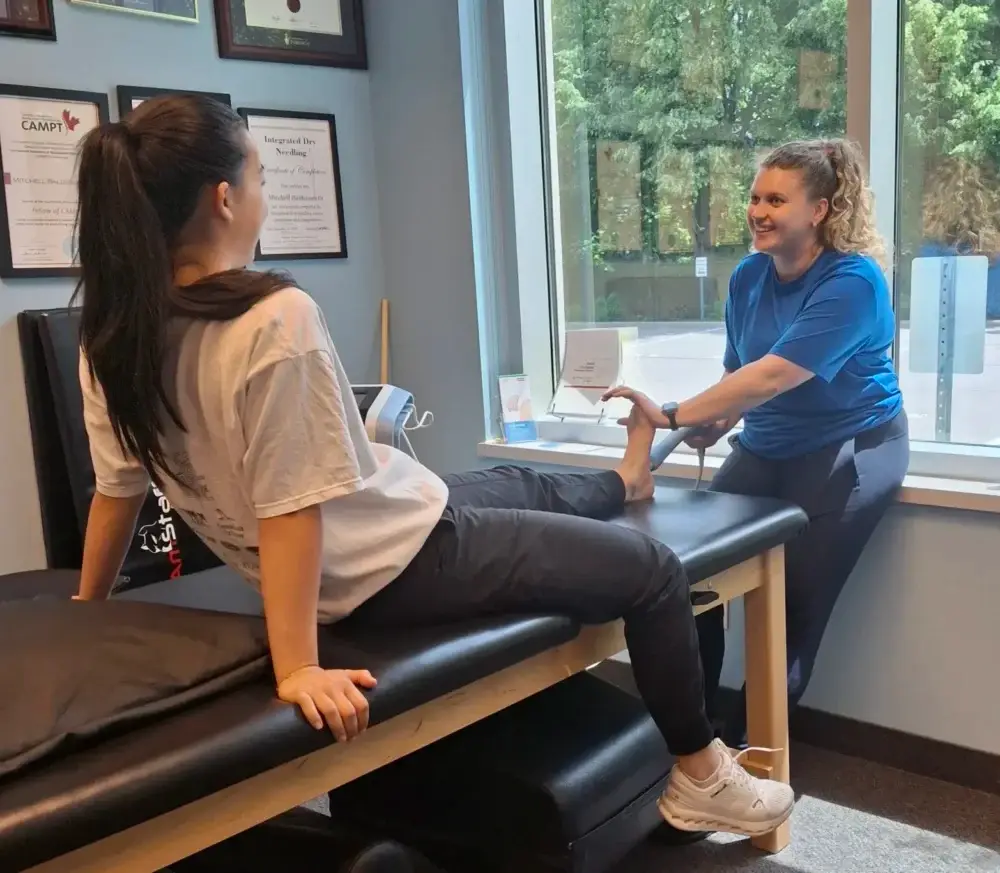
At Sheddon Physiotherapy and Sports Clinic, early intervention focuses on:
- Identifying load spikes before pain escalates
- Improving tendon and muscle capacity
- Correcting movement and grip mechanics
- Building sport-specific strength programs
- Managing return-to-play progression
👉 The goal is simple: stop the timeline before it reaches the “overload phase.”
Top Injury Prevention Strategies for Padel
1. Warm Up Properly (Not Just a Few Swings)
Most injuries we see could have been reduced with a proper warm-up. Your body needs to be prepared for multi-directional movement and rotation, not just hitting.
2. Build Strength in Key Areas
Focus on:
- Glutes → for power + knee protection
- Core → for rotation control and back health
- Shoulder stabilizers → for overhead strength
- Calves → for shock absorption and Achilles protection
3. Train Deceleration & Change of Direction
It’s not just about moving fast—it’s about controlling movement.
Include:
- Lateral shuffles
- Split-step drills
- Controlled lunges
This reduces strain on knees and tendons.
4. Improve Mobility Where It Counts
Limited mobility leads to compensation.
Prioritize:
- Hip rotation
- Thoracic spine rotation
- Ankle dorsiflexion
5. Progress Gradually
We often see players go from 0 to 3–4 matches/week.
Instead:
- Build up playing frequency slowly
- Avoid back-to-back high-intensity matches early on
- Respect recovery
6. Don’t Ignore Early Pain
That mild elbow or Achilles tightness? It’s a warning sign, not something to push through.
Early physiotherapy = faster recovery and fewer setbacks.
Final Thoughts
Padel is here to stay in Oakville, and it’s a fantastic way to stay active. But like any sport, staying injury-free requires a bit of preparation.
If you’re dealing with pain, recovering from injury, or just want to move better on the court, the team at Sheddon Physiotherapy and Sports Clinic can help you build a personalized plan.
Call now to book your assessment:
905-849-4576
Padel Injury Prevention: Frequently Asked Questions
Is padel safer than tennis?
Padel is often easier on the body than tennis because the court is smaller and rallies are shorter. However, it still involves quick direction changes, repetitive swings, and overhead shots, so injuries can still occur—especially without proper preparation.
What are the most common padel injuries?
At Sheddon Physiotherapy and Sports Clinic, we most commonly see:
- Tennis elbow (outer elbow pain)
- Shoulder irritation (rotator cuff strain)
- Achilles tendon pain and calf strains
- Knee pain from lunging and deceleration
- Low back pain from rotation
Do I really need to warm up before playing?
Yes—and this is one of the biggest factors in injury prevention.
A proper warm-up:
- Improves muscle activation
- Increases mobility
- Prepares your body for fast, reactive movement
Skipping it significantly increases your risk of strains and tendon injuries.
How often should I be playing padel as a beginner?
If you’re new, start with 1–2 sessions per week and build gradually.
A common mistake we see in Oakville is jumping into multiple matches per week too quickly, which can overload tendons like the elbow and Achilles.
What should I do if I start feeling pain?
Don’t ignore it.
Early signs like:
- Morning Achilles stiffness
- Elbow soreness after play
- Shoulder discomfort with overhead shots
…are signals to scale back and address the issue early. Waiting too long can turn a minor issue into a longer-term injury.
How can physiotherapy help with padel injuries?
Physiotherapy doesn’t just treat pain—it helps identify why the injury is happening.
At Sheddon Physiotherapy and Sports Clinic, we:
- Assess mobility (hips, thoracic spine, ankles)
- Identify strength deficits (glutes, core, shoulder)
- Correct movement patterns
- Build sport-specific rehab and prevention plans