
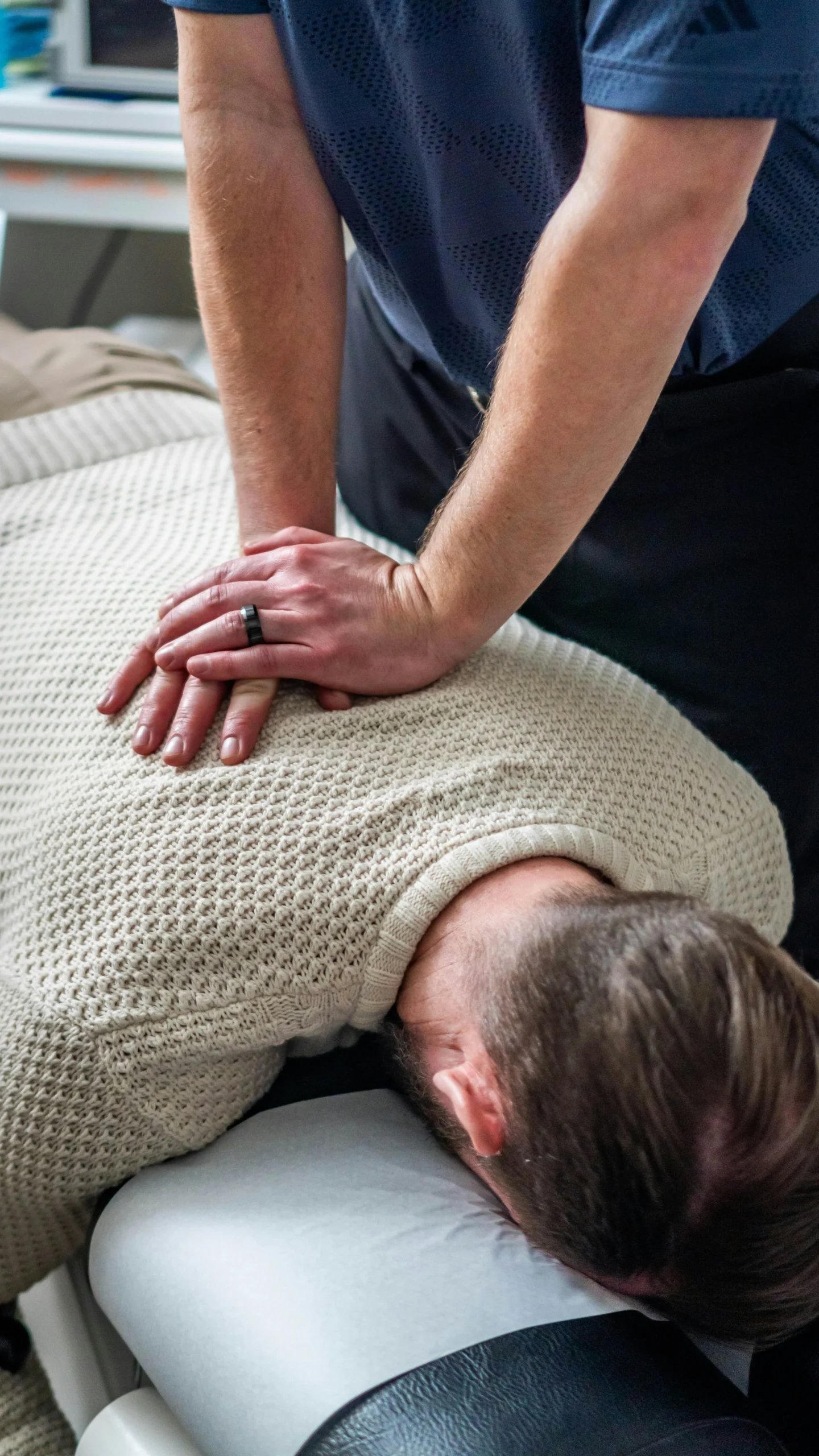

Calf injuries are one of the most common lower-leg injuries we see in active people in Oakville, especially in runners, soccer players, golfers, and weekend athletes. Whether it’s a sudden calf strain during a sprint, ongoing tightness while running, or pain related to Achilles tendinitis, calf injuries can quickly limit your ability to walk, run, or play sports.
At Sheddon Physiotherapy and Sports Clinic in Oakville, our physiotherapists regularly treat calf strains, muscle tears, and Achilles tendon injuries. These injuries often occur when the calf muscles are overloaded, fatigued, or forced to work harder than they’re prepared for.
Understanding how the calf muscles work, why these injuries occur, and what you can do to prevent them is key to staying active and avoiding long recovery times.
In this article, we’ll explore:
The anatomy of the calf muscles
Common calf injuries such as strains, tears, and Achilles tendinitis
The most frequent causes of calf injuries in athletes and active adults
Evidence-based prevention strategies to keep your calves healthy and strong
If you’re dealing with calf pain in Oakville or the surrounding Halton region, this guide will help you understand what may be happening and how physiotherapy can help you return to activity safely.
Anatomy of the Calf Muscles
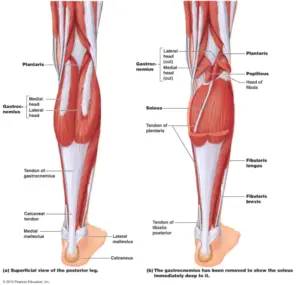
The calf, located at the back of the lower leg, is comprised of two main muscles: the gastrocnemius and the soleus. These muscles play a vital role in various movements and functions.
The gastrocnemius is the larger, more prominent muscle that forms the bulk of the calf. It has two heads that originate from the femur (thigh bone) and merge into a common tendon, the Achilles tendon, which attaches to the heel bone (calcaneus). The gastrocnemius is primarily responsible for plantar flexion, which is the action of pointing the toes downward.
The soleus lies underneath the gastrocnemius and is more deeply situated. It originates from the tibia and fibula (the bones of the lower leg) and also attaches to the Achilles tendon. The soleus is crucial for maintaining posture and stability during activities like standing and walking. It contributes to plantar flexion, particularly when the knee is bent.
Together, these muscles help with essential movements such as walking, running, and jumping by allowing the foot to push off the ground and absorb impact. Proper function of the calf muscles is crucial for athletic performance and daily activities.
Common Types of Calf Injuries
What Causes Calf Injuries?
Overuse:
- Repeated stress from activities such as running, jumping, or intense training can lead to injury.
Sudden Increase in Activity:
- A rapid increase in physical activity or intensity, especially without proper conditioning, can strain or tear the calf muscles. If your calf pain started during running, our running injury assessment and gait analysis can help identify the underlying cause. Click here to learn more about our gait analysis.
Improper Warm-Up:
- Skipping a proper warm-up before exercise can leave muscles less prepared for strenuous activity, increasing the risk of injury.
Inadequate Stretching:
- Failure to stretch the calf muscles properly can lead to tightness and increase the likelihood of strains or tears.
Poor Technique:
- Incorrect movement patterns or techniques during sports or exercise can place undue stress on the calf muscles and lead to injury.
Muscle Imbalance:
- Weakness or imbalance between the calf muscles and other lower leg muscles can contribute to injury.
Who Gets Calf Injuries in Oakville?
At Sheddon Physiotherapy and Sports Clinic in Oakville, we commonly see calf injuries in:
Runners
Soccer players
Tennis and pickleball players
Golfers who walk 18 holes
Weekend warriors returning to activity too quickly
Adults starting new fitness programs
Calf injuries are especially common during spring and summer sports seasons, when activity levels increase quickly.
How to Prevent Calf Strains and Achilles Injuries
Here are some effective strategies for preventing calf injuries:
- Proper Warm-Up:
- Engage in a thorough warm-up routine that includes dynamic stretching and gradual increases in activity intensity.
- Regular Stretching:
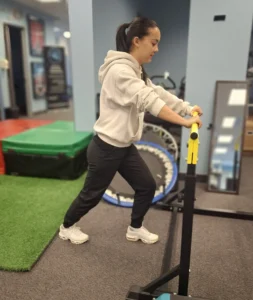
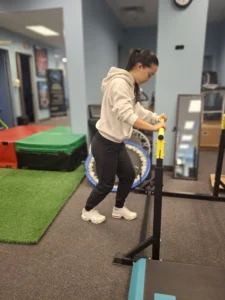
- Incorporate regular stretching exercises for the calf muscles to maintain flexibility and reduce the risk of strains.
Gastroc Stretch
Soleus Stretch
- Strength Training:
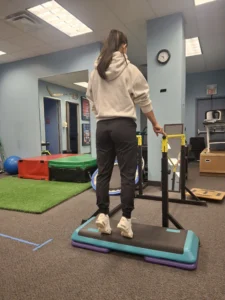
- Perform strength training exercises to build and maintain calf muscle strength and balance, including exercises like calf raises.
Calf Raises
- Gradual Progression:
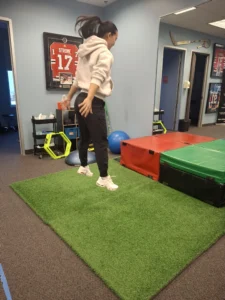
- Increase activity levels and intensity gradually to allow the muscles to adapt and reduce the risk of overuse injuries. Adding dynamic exercises like box jumps and squat jumps are also great for developing power.
Squat Jumps
- Address Muscle Imbalances:
- Work on balancing strength and flexibility between the calf muscles and other lower leg muscles to support overall muscle health.
- Incorporate Recovery Techniques:
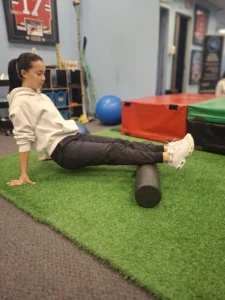
- Utilize recovery methods such as massage, foam rolling, and ice baths to aid muscle recovery and prevent injuries.
Foam Rolling
When to See a Physiotherapist for Calf Pain in Oakville
Mild calf tightness after exercise is common and often improves with rest, gentle stretching, and gradual return to activity. However, if calf pain persists or begins to interfere with walking, running, or sports, it may be time to seek professional care.
Signs You May Have a Calf Strain
Tightness or cramping while running or pushing off
Pain when walking quickly or climbing stairs
Tenderness when pressing on the calf muscle
Swelling or bruising in the lower leg
Difficulty pushing off during sports
A sudden sharp pain in the back of the lower leg
Early assessment is important because calf pain may involve different structures, including the gastrocnemius muscle, soleus muscle, or the Achilles tendon. Identifying the specific source of the problem allows treatment to focus on restoring strength, flexibility, and proper movement patterns.
Why Physiotherapy Helps Calf Injuries
Physiotherapy can help speed recovery from calf injuries by addressing the underlying causes of the problem, not just the symptoms.
Treatment may include:
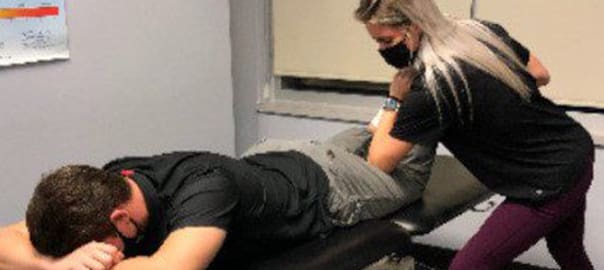
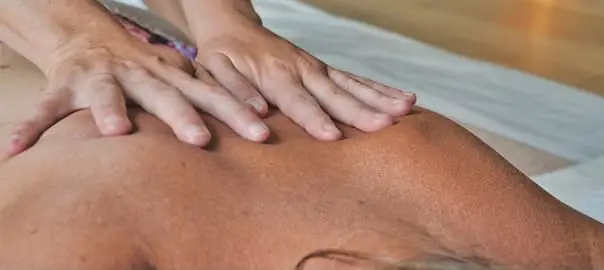
Hands-on therapy to reduce muscle tightness
Progressive strengthening exercises for the calf and lower leg
Running or walking mechanics assessment
Mobility work for the ankle and foot
Sport-specific return-to-play programs
If you are experiencing calf pain in Oakville, our team is here to help you recover safely and return to the activities you enjoy. Contact us to book an assessment and start your recovery.
Frequently Asked Questions
How long does a calf strain take to heal?
Most mild calf strains recover within 2–4 weeks, while moderate strains can take 4–8 weeks. Severe tears may take several months and benefit from physiotherapy to restore strength and flexibility.
Why do runners get calf injuries?
Runners often develop calf injuries due to training volume increases, tight calf muscles, poor ankle mobility, or weak glutes. Running hills, sprinting, and sudden speed changes can also overload the calf muscles.
What are the symptoms of a calf strain?
Common symptoms include:
Sudden sharp pain in the back of the leg
Tightness or cramping in the calf
Difficulty pushing off while walking or running
Swelling or bruising in the muscle
When should I see a physiotherapist for calf pain?
If calf pain lasts more than 1–2 weeks, worsens with activity, or causes difficulty walking or running, a physiotherapy assessment can help diagnose the injury and guide safe recovery.