Skip to content







Whether it’s a sharp pull, a tweak, or that subtle “something’s not right” sensation, you usually know when something’s gone wrong. Maybe you pushed for that extra rep, maybe there was an underlying imbalance or biomechanical pattern that went unnoticed. Either way, now you’re sidelined, wondering if a few days (or weeks) of rest will fix it.
Here’s the truth: rest alone is often not enough.
While taking a break can calm symptoms, it rarely addresses the root cause of most gym injuries. That’s where physiotherapy for gym injuries comes in and why it can make the difference between a quick, full recovery and a recurring problem that keeps coming back.
Rest Treats Symptoms, Not the Problem

Rest is important, especially in the early stages of an injury. It helps reduce pain and inflammation. But most sports injuries don’t happen randomly, they’re usually the result of:
- Poor movement patterns
- Muscle imbalances
- Weak stabilizing muscles
- Overtraining or improper load management
If you simply rest and then return to the same habits, you’re stepping right back into the same risk of reinjury.
A physiotherapist looks deeper. Instead of just asking “Where does it hurt?”, they ask “Why did this happen in the first place?” This is a key part of injury prevention and rehabilitation.
Injuries Rarely Heal Stronger on Their Own

There’s a common belief that the body will “fix itself” with enough time. While the body is incredibly capable of healing, it doesn’t always heal optimally.
Without guided sports injury rehab:
- Muscles can become weaker
- Joints can lose stability
- Scar tissue may limit mobility
- Compensations develop in other areas
This is why people often say, “It healed, but it doesn’t feel the same.”
Physiotherapy treatment puts you on the proper path to recovery focusing on building strength, control, and improving confidence.
Pain-Free Doesn’t Mean Injury-Free
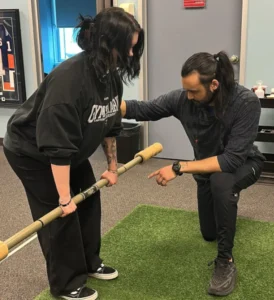
One of the biggest mistakes people make is returning to the gym as soon as the pain disappears.
Pain is only one signal. By the time it’s gone, underlying issues like weakness, stiffness, or poor mechanics may still be present.
A physio will guide you through a structured return to gym after injury plan:
- Progressive strength rebuilding
- Mobility restoration
- Movement retraining
This ensures you’re actually ready to return to your activities safely and effectively.
You’ll Recover Faster (and Smarter)
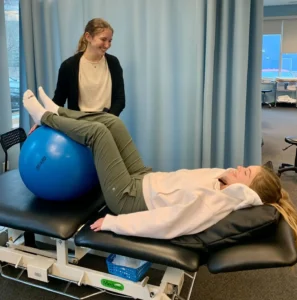
It might seem counterintuitive, but doing the right exercises early often speeds up recovery more than doing nothing.
Physiotherapists bust the myth of just rest. We prescribe targeted movement as part of muscle strain treatment and rehab. This helps:
- Maintain strength in surrounding muscles
- Improve blood flow and healing
- Prevent stiffness and deconditioning
Rather than losing weeks or even months, you remain active in a safe and controlled way, which is one of the key benefits of physical therapy.
Preventing the Next Injury Starts Now
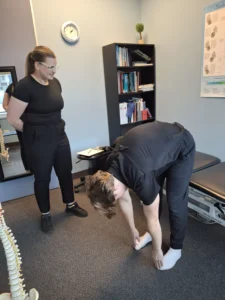
Every injury is also an opportunity to improve your performance and resilience.
A physio can identify patterns you might not notice, like:
- A squat imbalance shifting load to one side
- Shoulder instability during pressing movements
- Limited ankle mobility affecting your deadlift
By correcting these issues you’re actively working on injury prevention for athletes and gym-goers.
That “niggle” in your knee, tightness in your shoulder, or recurring lower back discomfort? Those are early warning signs of potential fitness injuries.
Addressing them early can prevent:
- Longer layoffs
- More serious injuries
- Chronic pain issues
The Bottom Line

Rest has its place but it’s only part of the solution.
If you want effective gym injury recovery and long-term results:
- Recover fully
- Get back to training faster
- Reduce your risk of reinjury
- Move and perform better than before
Then physiotherapy is essential. Your body isn’t telling you to stop forever. It’s asking you to pay attention, fix the issue, and come back stronger.
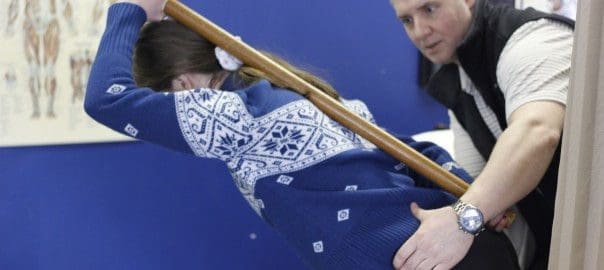
At Oakville Athletic Academy, physiotherapy goes beyond the treatment table. What sets physio at OAA apart is direct access to a fully equipped gym environment, allowing us to assess how you actually move under load—not just in isolation. We can test your strength, mechanics, and control using real gym equipment, then build a structured plan to prepare you for a safe and confident return to training. Instead of guessing when you’re ready, we make sure you are.
Book now for an assessment call at 905-849-4576 and take the first step toward getting back to the gym stronger and more confident than before.
Frequently Asked Questions (FAQ)
How do I know if I need physiotherapy for a gym injury?
If your pain isn’t improving after a few days, keeps coming back, or is affecting your workouts, it’s worth getting assessed. Even small “niggles” can turn into bigger issues if ignored.
Should I completely stop working out if I’m injured?
Not always. In many cases, you can continue training with modifications. A physiotherapist can guide you on what movements to avoid and what you can safely keep doing.
How long does it take to recover from a gym injury?
Recovery time depends on the injury, but guided rehab typically helps you recover faster and more effectively than rest alone. You’ll also reduce your risk of reinjury.
Will physio actually help me get back to the gym faster?
Yes, because it focuses on restoring strength, mobility, and proper movement patterns, not just reducing pain. This helps you return safely and with confidence.
Do I need a serious injury to benefit from physiotherapy?
No. In fact, the earlier you address discomfort or movement issues, the better. Treating things early often prevents bigger setbacks later.
What should I expect at my first appointment?
You’ll go through a detailed assessment of your injury, movement patterns, strength, and mobility. From there, you’ll get a personalized plan to start your recovery right away.