







June is Bike Month across Ontario—a perfect time to hop on your bike and enjoy the scenic routes around Oakville and Burlington. Whether you’re commuting to work, riding with your kids along the trails, or training for your next race, cycling is a great way to stay active and get outside. But if you’re ending your rides with a sore neck, tight hips, or aching knees, you’re not alone. The good news? It doesn’t have to hurt. Small changes to your posture and riding habits can make a big difference in how you feel. Let’s explore some simple, physio-approved tips to help you ride smarter, not harder—so you can keep cycling all month long and beyond.
Check Your Posture – Sit Tall, Ride Long

One of the easiest ways to improve your comfort on the bike is by paying attention to your posture. A neutral spine and relaxed upper body can go a long way in preventing strain, especially on longer rides or during your daily commute.
Many cyclists—especially recreational riders—tend to hunch over the handlebars, lock their elbows, or crane their necks to see the road ahead. Over time, these habits can lead to tension in the neck and shoulders, wrist discomfort, and lower back pain.
Instead, try these simple adjustments:
Bend at the hips, not through the spine, to maintain a neutral back position.
Keep your shoulders relaxed, not shrugged up toward your ears.
Look forward, not down at your front wheel, to avoid straining your neck.
Slightly bend your elbows to act as natural shock absorbers on rougher terrain.
These small tweaks can make your ride feel smoother and more efficient. Bonus tip: If you’re still feeling stiff or sore after rides, a physiotherapist can assess your posture both on and off the bike and help identify what might be causing the discomfort.
Your Seat Might Be the Problem

One of the most common causes of discomfort on the bike is an improperly adjusted seat height. If your seat is too low or too high, it can throw off your pedal mechanics and lead to a variety of issues.
How do you know your seat might be off?
Knee pain, especially around the front or sides of the knee, is a red flag.
Hip rocking side to side while pedaling can indicate that the seat is too high.
Numbness or tingling in your feet may also be related to poor seat position or angle.
A simple guideline to check your seat height is to ensure there is a slight bend (about 25–35 degrees) in your knee when your foot is at the bottom of the pedal stroke. Too much bend or too little means the seat needs adjusting.
If you’re unsure about your bike fit, consider booking a professional bike fitting. Many bike shops offer this service and can provide an in-depth assessment to optimize your position and reduce injury risk.
Mix It Up – Don’t Just Sit and Spin

Spending long periods in the same riding position can lead to tight hips, sore wrists, and stiff backs. Your body needs variety to stay comfortable and avoid overuse injuries.
To keep things feeling good on the bike:
Change your hand positions regularly on the handlebars to relieve pressure on your wrists and shoulders.
Stand up for a few pedal strokes every now and then to give your lower back and hips a break.
Shift your weight from side to side while riding to avoid staying locked in one posture.
On longer rides, don’t forget to take short breaks off the bike to stretch key muscles like your hip flexors, hamstrings, and shoulders. These small movements can make a big difference in how your body feels during and after your ride.
Train Your Core Off the Bike
A strong core is essential for cyclists. It helps stabilize your entire body while riding, reducing strain on your arms, shoulders, and lower back. When your core muscles are weak, your body has to compensate, which can lead to discomfort and even injury.
Incorporating core exercises into your routine can improve your cycling performance and comfort. Here are a few simple exercises to get you started:
Planks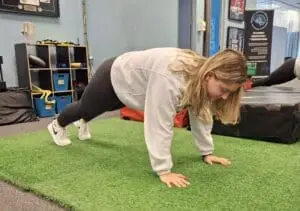
Bird Dogs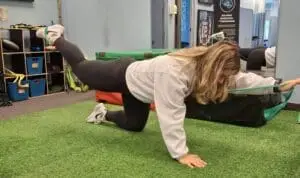
Bridges 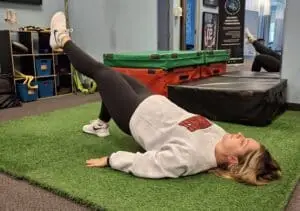
Deadbugs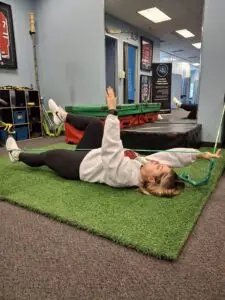
If you want a targeted program, a physiotherapist at Sheddon Physiotherapy and Sports Clinic can design cycling-specific strengthening routines to help you build the right muscles and avoid injury.
Listen to Your Body
Discomfort while cycling is your body’s way of telling you something isn’t quite right—don’t ignore these warning signs. What starts as minor soreness can quickly develop into chronic pain or injury if left unaddressed.
Early intervention is key. Paying attention to how you feel during and after rides, and making adjustments as needed, can prevent small issues from becoming bigger problems.
If you experience recurring soreness, numbness, or persistent pain, consider booking a physiotherapy assessment. A physiotherapist can help identify the root cause, provide treatment, and guide you on how to keep riding comfortably and safely.
Conclusion
Remember, smarter biking comes down to a few key factors: maintaining good posture, choosing the right gear, having your seat set at the correct height, mixing up your riding positions, and building core strength off the bike. Together, these simple steps can transform your cycling experience—making rides more comfortable, efficient, and enjoyable.
So whether you’re riding around Oakville to school, commuting to work, or training for your next race, there’s no better time to start pedaling smarter, not harder.
Ready to feel better on your bike? The physiotherapists at Sheddon Physiotherapy and Sports Clinic are here to help. Take the first step toward injury relief—book your appointment now.