


If your child plays sports in Oakville, whether it’s soccer, hockey, gymnastics, or dance, you’ve likely heard teammates or coaches mention “growing pains,” sore knees, or nagging heel pain. These aren’t always normal signs of training hard. In fact, they may be early symptoms of overuse injuries, which now account for nearly half of all youth sports injuries.
Unlike acute injuries caused by a fall or collision, overuse injuries develop slowly from repetitive stress without enough recovery. And they’re becoming more common, especially in young athletes who train year-round or focus on a single sport from an early age.
As physiotherapists working with athletes across Oakville, we often hear parents ask:
- “How do I know if this is a real injury or just growing pains?”
- “Is it okay for my 11-year-old to be training five days a week?”
- “Should I wait or book physio now?”
In this article, we’ll answer the most common questions Oakville parents are asking about overuse injuries, how to spot them early, what prevention strategies actually work, and when it’s time to see a physiotherapist.
What Are Overuse Injuries?

Overuse injuries are a type of sports injury that occurs when repeated stress is placed on muscles, bones, or tendons without giving the body enough time to rest and recover. Unlike acute injuries, which happen suddenly due to a fall, collision, or twist, overuse injuries develop gradually over time and often go unnoticed until the pain becomes persistent.
They’re especially common in growing athletes who are training frequently, playing the same sport year-round, or specializing in a single activity too early. Because children and teens are still developing, their growth plates, joints, and soft tissues are more vulnerable to repeated stress.
Some of the most common overuse injuries in young athletes include:
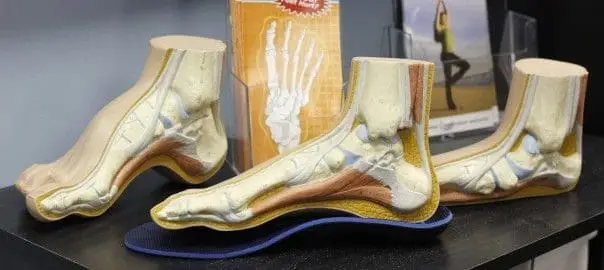
- Sever’s Disease: A painful condition at the heel caused by inflammation of the growth plate, common in active kids aged 9–13, especially soccer and basketball players.
- Osgood-Schlatter Disease: Pain and swelling at the top of the shinbone just below the knee, typically affecting young athletes involved in running and jumping sports.
- Stress Fractures: Tiny cracks in bones that develop from repetitive impact, often seen in runners, dancers, and gymnasts.
- Little League Elbow or Shoulder: Overuse of the throwing arm in sports like baseball or tennis, causing irritation in the growth plates of the arm.
- Patellofemoral Pain Syndrome: General knee pain that worsens with activity, climbing stairs, or prolonged sitting, commonly linked to muscle imbalances or poor alignment.
Because these injuries tend to develop slowly, they can be difficult to detect early, but when left untreated, they often lead to more serious problems and extended time away from sport.
Why Young Athletes Are at Risk

Youth sports in Oakville are thriving, with athletes participating in everything from soccer and hockey to gymnastics, dance, and competitive swimming. While staying active is incredibly beneficial, the intense demands placed on young athletes today come with increased risk, especially for overuse injuries.
Here’s why young athletes in Oakville may be more vulnerable:
1. Year-Round Training
Many sports now run through all four seasons. Athletes in programs like soccer, hockey, gymnastics, dance and swimming, often train and compete with little to no break between seasons. This lack of downtime limits the body’s ability to recover and adapt.
2. Early Specialization in One Sport
Focusing on a single sport from a young age increases repetitive stress on the same muscles and joints. Without the variety that comes from cross-training, the risk of imbalances and overuse injuries rises significantly.
3. High Training Loads and Limited Recovery
Some young athletes practice or play games multiple times per week, often for more than one team. Without scheduled rest days or variation in activity, their bodies can’t recover fully between sessions.
4. Social and Competitive Pressures
In highly competitive environments, young athletes may feel pressure to push through pain, ignore early signs of injury, or avoid taking time off for recovery, all of which can lead to more serious issues down the line.
5. Lack of Proper Warm-Up, Mobility, and Strength Training
Many young athletes jump straight into sport-specific drills without first developing foundational strength, stability, and flexibility. Without proper conditioning, they’re more prone to injury, especially during growth spurts.
These risk factors often overlap, and without a proactive approach to injury prevention, young athletes can find themselves sidelined during crucial developmental years. That’s why education, proper training habits, and early physiotherapy assessment are essential.
Signs Your Child Might Have an Overuse Injury

Overuse injuries often develop slowly, making them easy to miss, especially if your child is highly motivated to play through pain. Knowing what to look for can help you catch the problem before it becomes serious.
Watch for these common signs:
- Persistent pain during or after activity that doesn’t resolve with rest
- Swelling or tenderness around joints, bones, or muscles
- Changes in performance or movement, like slower running or difficulty jumping
- Favoring one limb or side to avoid discomfort
- Frequent complaints of soreness or stiffness after practice or games
If your child is regularly experiencing any of these symptoms, it’s a strong sign that a physiotherapy assessment is needed.
Top Tips for Preventing Overuse Injuries

Preventing overuse injuries is all about balance, between movement and rest, variety and consistency, intensity and recovery. Here are the most effective ways parents can help protect their young athletes:
Encourage Sport Variety & Cross-Training
Playing multiple sports throughout the year develops well-rounded athleticism and reduces repetitive strain on the same joints and muscles.
Prioritize Rest, Sleep & Recovery
Build in rest days, encourage 8–10 hours of sleep per night, and watch for signs of fatigue, irritability, or lack of motivation—these can be early signs of overtraining.
Focus on Movement Quality
Tools like gait analysis, flexibility screens, and postural assessments help identify risk factors before they become injuries.
Use Age-Appropriate Strength & Conditioning
Working with a physiotherapist or kinesiologist ensures your child is doing the right type of training for their age, body, and sport. Focus on core stability, mobility, and control, not just power or endurance.
The Role of Physiotherapy in Injury Prevention

Physiotherapy isn’t just about recovery, it’s a powerful tool for injury prevention in young athletes. Early intervention can catch issues like poor biomechanics, muscle imbalances, or faulty movement patterns before they lead to pain.
A prevention-focused physiotherapy screen typically includes:
- Posture and alignment analysis
- Strength and flexibility testing
- Gait, running, or jumping assessments
- Review of training habits, recovery routines, and sport demands
When to See a Physiotherapist
Don’t wait until pain becomes a major problem. Book a physio assessment if your child is experiencing:
- Pain lasting longer than a few days
- Limping or avoiding certain movements
- Swelling, stiffness, or signs of compensation
- Preparing to return to sport after rest or injury
Early treatment leads to faster recovery, and helps your child stay active and confident in their sport.
Sheddon Tip: Sheddon Physiotherapy and Sports Clinic offers direct billing and flexible scheduling, so booking a physiotherapy session is easier than ever.
Frequently Asked Questions (FAQ)
What are the signs of overuse injuries in youth athletes?
Signs include persistent pain during or after activity, swelling, tenderness, limping, or decreased performance. These symptoms often develop gradually and are easy to overlook at first.
Why do kids get more sports injuries during growth spurts?
During rapid growth, bones lengthen faster than muscles and tendons can adapt, leading to increased stress on joints and soft tissues—making young athletes more vulnerable to overuse injuries.
How common are overuse injuries in youth sports?
Overuse injuries account for nearly 50% of all sports-related injuries in children and teens. They’re especially common in sports with repetitive movements like soccer, hockey, gymnastics, and running.
Why is early sport specialization considered risky?
Focusing on one sport too early increases the risk of repetitive stress injuries and burnout. Experts recommend multi-sport participation to support healthy development and reduce injury risk.
What exercises or stretches can help prevent overuse injuries?
Programs like the FIFA 11+ warm-up and core strengthening routines have been shown to significantly reduce injury risk—especially for lower-body and ACL injuries.
Can cross-training reduce injury risk in kids?
Yes. Playing multiple sports throughout the year promotes balanced physical development and lowers the risk of repetitive strain, while also helping prevent mental burnout.
When should I book a physiotherapy appointment for my child?
If your child complains of recurrent or persistent pain, shows signs of limping, or has swelling that lasts more than a few days, it’s important to schedule an assessment with a physiotherapist.
What should I expect at our first physiotherapy visit ?
Your first visit will likely include:
- A detailed history of your child’s symptoms and sports activity
- A hands-on movement assessment
- A personalized prevention or treatment plan tailored to your child’s needs and sport
Conclusion
Overuse injuries are preventable, and catching the warning signs early can make all the difference. With the right mix of sport variety, proper training, and early physiotherapy, your child can enjoy a long, healthy, and successful athletic journey.
If your young athlete in Oakville is struggling with pain, fatigue, or training overload, don’t wait. Book a consultation with Sheddon Physiotherapy and Sports Clinic and take the first step toward safer, stronger performance.