




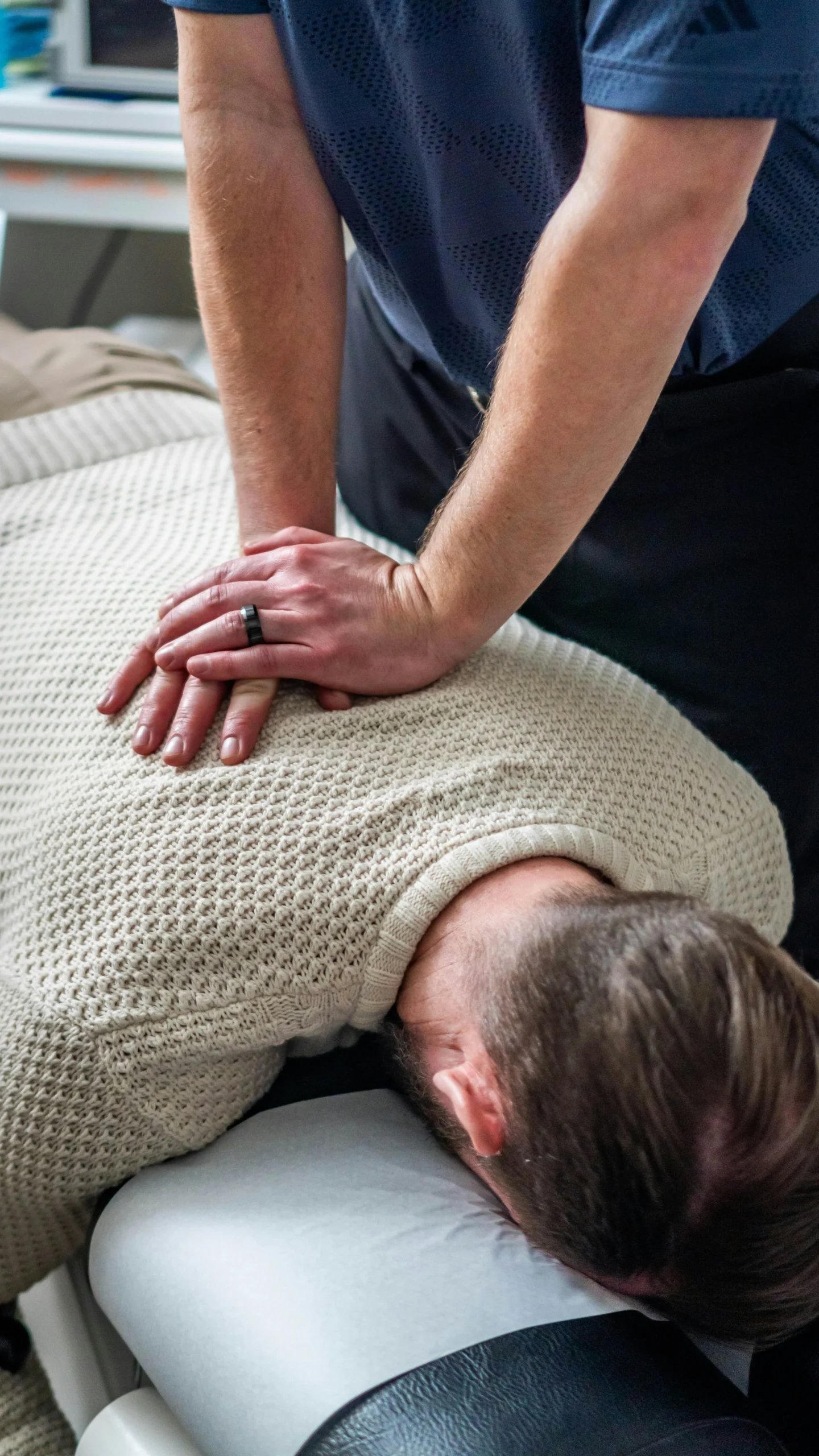
Every March, physiotherapy clinics in Oakville notice the same pattern: a sudden increase in sports injuries and activity-related pain.
As the weather begins to improve, many people start running again, return to the gym, join spring sports leagues, or increase their activity after a relatively sedentary winter.
While the motivation to move more is great, the body often is not prepared for the sudden increase in activity, which is why injuries commonly appear in early spring.
At Sheddon Physiotherapy and Sports Clinic in Oakville, we frequently see injuries in March related to people transitioning from winter inactivity to higher levels of activity.
Why Injuries Increase in March
Sudden Increase in Activity Levels
One of the biggest causes of spring injuries is simply doing too much too soon.
Many people go from limited activity in winter to suddenly:
-
Starting a running program
-
Playing multiple sports games per week
-
Increasing gym workouts
-
Returning to outdoor activities
Muscles, tendons, and joints require time to adapt to increased load. When activity increases too quickly, tissues may become overloaded and painful.
This is especially common in runners returning to outdoor training in early spring.
Winter Deconditioning
During the winter months, activity levels often drop.
Many people spend more time:
-
sitting at work
-
working from home
-
driving rather than walking
-
exercising less frequently
Over time this can lead to:
-
reduced muscle strength
-
decreased tendon capacity
-
reduced balance and stability
When physical activity suddenly increases in March, the body may not yet have the strength or resilience needed to tolerate the load.
Reduced Mobility and Muscle Tightness
Cold weather and inactivity can also lead to stiffness in key areas such as:
-
hips
-
hamstrings
-
calves
-
lower back
Limited mobility can change movement mechanics when running, walking, or playing sports. These changes often place additional stress on joints and tendons, increasing the risk of injury.
Lack of Pre-Season Preparation
Many recreational athletes return directly to their sport without preparing their bodies first.
In Oakville, we commonly see injuries in March related to:
-
running
-
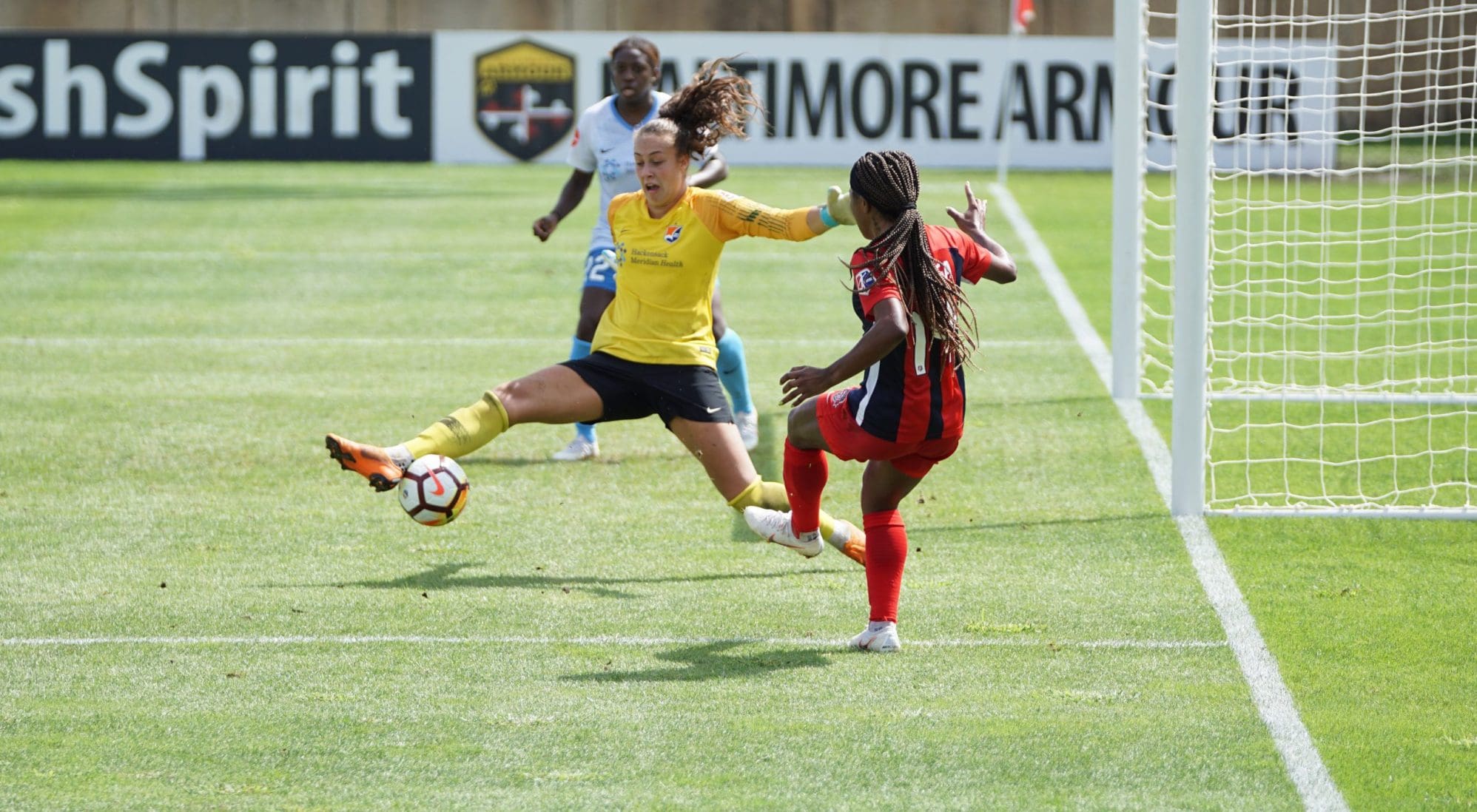
youth soccer
-
golf
-
pickleball
-
recreational sports leagues
Without gradual conditioning, sudden bursts of sprinting, jumping, or twisting movements can overload tissues.
Spring Sports and Activities in Oakville

As the weather improves in March, many Oakville residents return to outdoor activity.
Popular activities in the area include:
-
running
-
youth soccer preseason training
-
golfers preparing for the upcoming season
-
pickleball and tennis
-
spring yard work and gardening
A sudden increase in activity can place significant stress on muscles and joints, particularly if the body has been less active during the winter months.
Common Injuries Physiotherapists See in Oakville in March

As activity increases in spring, several injuries appear more frequently in physiotherapy clinics.
Runner’s Knee (Patellofemoral Pain)
A common cause of knee pain when people begin running again.
Shin Splints
Often occur when running distance or intensity increases too quickly. Click here to learn more about shin splints and how to prevent it.
Achilles Tendon Pain
Frequently seen in runners and athletes who suddenly increase training volume. Click here to learn more about achilles tendon pain and how to prevent it.
Calf Strains
Common in sports involving sprinting such as soccer and pickleball. Click here to learn more about calf strains and how to prevent them.
Low Back Pain
Often occurs when people return to activities like golf, yard work, or spring cleaning.
How to Reduce Your Risk of Injury When Returning to Exercise
The good news is that most spring injuries are preventable with the right approach.
Increase Activity Gradually
A common guideline is to increase training volume by no more than 10% per week.
Strengthen Key Muscles
Strong muscles help absorb forces and protect joints. Focus on strengthening:
-
glutes
-
calves
-
core muscles
-
hips
Warm Up Before Exercise
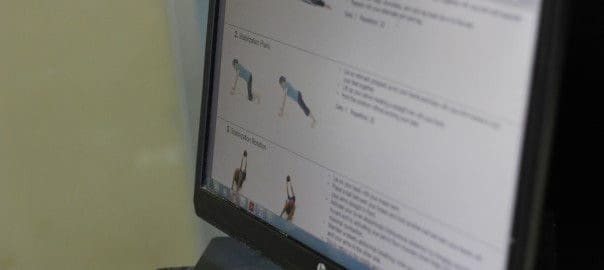
A proper warm-up improves circulation and prepares muscles for activity. Watch our video below for a great dynamic warm up that can be added before your activity.
Address Pain Early
Small aches are often early warning signs. Addressing them early can prevent minor issues from becoming more significant injuries.
Symptoms You Shouldn’t Ignore When Returning to Exercise
If you notice any of the following symptoms when starting activity again, it may be helpful to see a physiotherapist:
-
knee pain when running or climbing stairs
-
heel pain when getting out of bed in the morning
-
shin pain during or after running
-
Achilles pain or stiffness when walking
-
calf tightness that worsens with exercise
These symptoms often indicate that muscles, tendons, or joints are struggling to tolerate increased activity levels. Addressing these issues early can help prevent more significant injuries.
When Should You See a Physiotherapist?
Consider seeing a physiotherapist if you experience:
-
pain lasting longer than 7–10 days
-
pain that worsens with activity
-
swelling around a joint
-
difficulty running, walking, or playing sports
Early treatment often leads to faster recovery and helps prevent injuries from becoming chronic.
Physiotherapy for Sports Injuries in Oakville
If pain is limiting your ability to run, exercise, or play sports this spring, it’s important to address the problem early. Physiotherapy can help identify the underlying cause of your pain and get you back to the activities you enjoy.
Call Sheddon Physiotherapy and Sports Clinic today at 905-849-4576 to book your assessment!
FAQ: Spring Sports Injuries
Why do injuries happen when you start exercising again?
When activity increases quickly after a period of inactivity, muscles and tendons may not yet be strong enough to tolerate the load.
Is it normal to have pain when starting to run again?
Some mild soreness can occur when starting a new activity, but persistent or worsening pain may indicate an injury that should be assessed.
How can I avoid injuries when returning to exercise?
Gradually increase activity, perform strengthening exercises, and ensure proper warm-up before exercise.
Should I stop exercising if I have pain?
If pain changes your movement pattern, worsens with activity, or persists for more than a week, it is best to seek assessment from a physiotherapist.