




Summary:
If you’re experiencing pain on the outer side of your elbow, especially when gripping, lifting, or typing, you may be suffering from tennis elbow. This comprehensive guide covers what to do for tennis elbow based on the latest clinical research. Learn how physiotherapy compares to cortisone injections, why early intervention matters, and which treatments actually work. Whether you’re a golfer in Oakville or a desk worker in Burlington, you’ll discover evidence-based steps to reduce pain, restore function, and prevent recurrence.
Index of Sections
What Does The Research Say?
What Does a Physiotherapist Do?
What to Do for Tennis Elbow: Step-by-Step Recovery Plan
What to Do About Tennis Elbow When It Doesn’t Improve
When to See a Physiotherapist for Tennis Elbow
Tennis Elbow Prevention: Keeping It from Coming Back
Why Choose Sheddon Physiotherapy and Sports Clinic for Tennis Elbow Treatment?
What Does the Research Say?
Tennis elbow goes by many medical names, but at its core it is pain on the outside of the elbow. This pain commonly shows up with gripping, pushing, opening jars, typing, lifting, or even straightening the elbow.
Research now shows that tennis elbow is not primarily an inflammatory condition, but rather a tendinopathy, meaning the tendon has been overloaded beyond its current capacity.
Contributing factors may include:
- Repetitive or excessive load through the forearm tendons
- Poor wrist, elbow, or shoulder mobility or strength
- Altered movement patterns or grip technique
- In some cases, involvement from the neck
Without proper management, symptoms can persist for 12–24 months , which is why early and appropriate treatment matters.
 What Research and Systematic Reviews Show:
Over the past two decades, high-quality research and systematic reviews have helped clarify what actually works for tennis elbow, and what only appears to help in the short term. While some treatments may provide quick pain relief, long-term recovery depends on how the tendon adapts to load over time. When outcomes are tracked beyond the first few weeks, the evidence consistently tells a different story.
The research highlights three key findings:
- Short-term pain relief does not equal long-term recovery
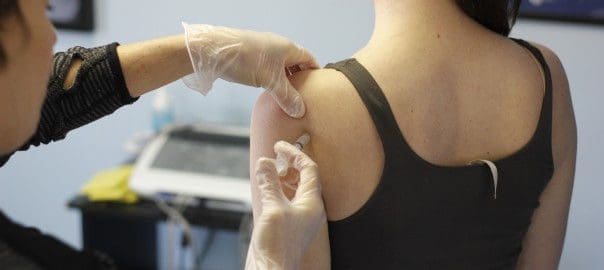
Research consistently shows that cortisone injections may reduce pain in the first 4–6 weeks , often more quickly than physiotherapy or a “wait and see” approach. - At 6–12 months, injections perform worse
At one year, people who received cortisone injections had:
- Higher rates of symptom recurrence
- Worse pain and function
- More flare-ups compared to those who did physiotherapy or even no formal treatment
- Physiotherapy leads to better long-term outcomes
People who completed physiotherapy demonstrated:
- Better pain control
- Improved grip strength and function
- Lower recurrence rates compared to those who simply waited to see if symptoms improved.
Importantly, physiotherapy that focuses on progressive tendon loading, education, and movement correction consistently outperforms passive treatments alone.
So, What Does This Mean?
- Doing nothing can work—but it comes with trade-offs
A “wait and see” approach may eventually reduce symptoms, but it often requires significant activity restriction and prolonged discomfort. For many people, this means avoiding sports, work tasks, or daily activities for months. - Most people can’t (and don’t want to) fully rest their arm
Work, sport, parenting, and daily life still demand use of the arm and hand. Complete rest is rarely practical, and prolonged rest can actually reduce tendon capacity over time. - Physiotherapy offers “active rest,” not complete shutdown
Physiotherapists are trained to:
- Identify why the tendon is being overloaded
- Address contributing issues at the wrist, shoulder, and neck
- Prescribe graded strengthening to rebuild tendon tolerance
- Provide activity-modification strategies so you can stay active while healing
Bottom line:
Physiotherapy doesn’t just help symptoms settle, it helps the tendon adapt and strengthen, reducing the risk of flare-ups and long-term dysfunction.
 WHAT DOES A PHYSIOTHERAPIST DO?
Good Question…
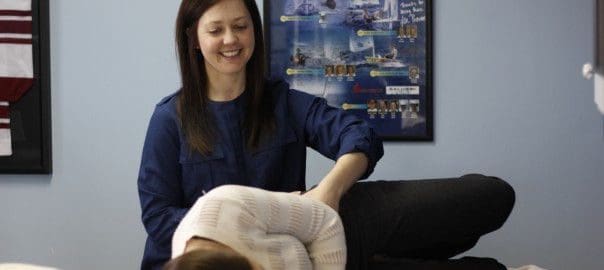
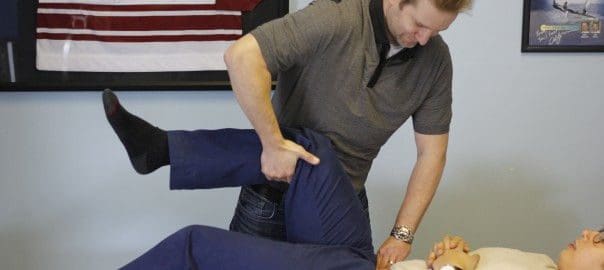
Physiotherapy for tennis elbow isn’t about chasing quick pain relief, it’s about restoring tendon health, strength, and function so symptoms don’t keep coming back. At Sheddon Physiotherapy and Sports Clinic in Oakville and Burlington , our approach is guided by current research and tailored to how you use your arm in daily life, work, or sport.
Below are evidence-based treatments commonly used by our physiotherapists.
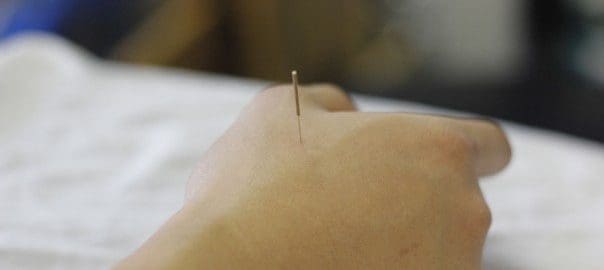
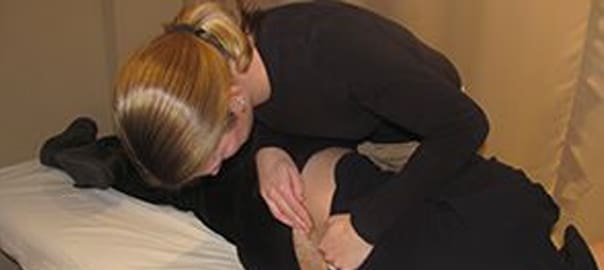
Acupuncture
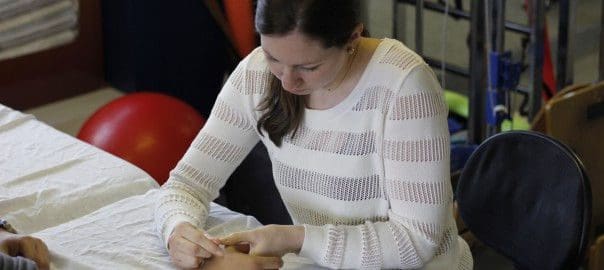
Research shows that acupuncture can help reduce pain in people with tennis elbow when compared to placebo treatments. While it does not address the underlying tendon capacity on its own, it can be useful early on to help manage pain and allow patients to better tolerate active rehabilitation.
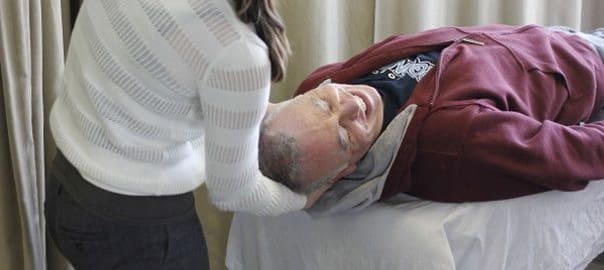
Exercise and Joint Mobilization
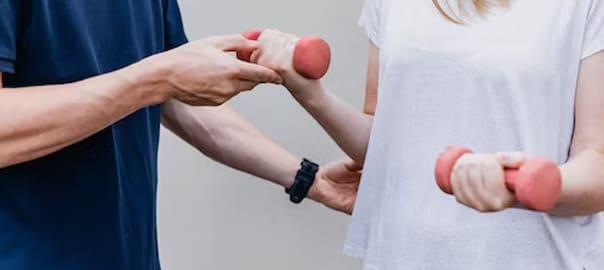
Exercise is the cornerstone of long-term recovery for tennis elbow.
Clinical trials have shown that progressive exercise programs improve pain and function both immediately after treatment and at long-term follow-ups (up to 11 months) when compared to placebo care. One study also found that exercise led to better pain relief at 6–8 weeks compared to ultrasound combined with friction massage.
When combined with manual therapy and joint mobilization, exercise helps:
- Improve tendon load tolerance
- Restore grip strength
- Address contributing issues at the wrist, elbow, shoulder, and neck
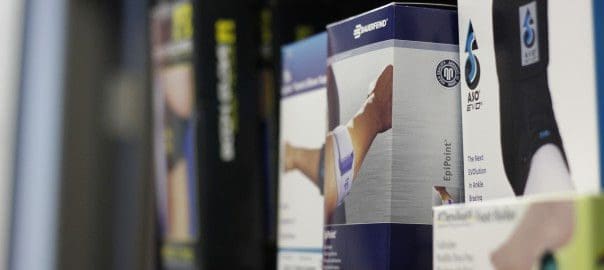
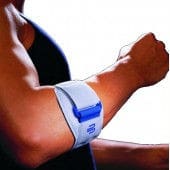
Tennis Elbow Brace
A brace can play a supportive role, especially in the early stages. Research shows that a brace may provide short-term improvements in functional ability by reducing strain on the tendon during gripping activities.
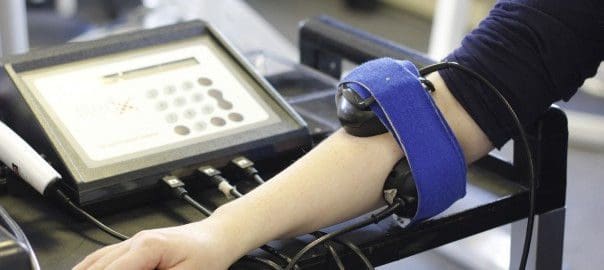
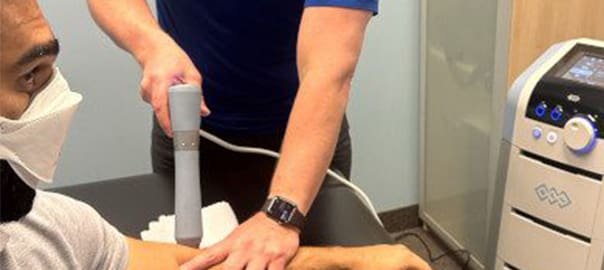
EXTRACORPOREAL SHOCK WAVE THERAPY
Extracorporeal shockwave therapy (ESWT) is a commonly used treatment for tennis elbow and may provide symptom relief for some individuals. However, current research shows that its effects are most beneficial when combined with progressive loading exercises and manual therapy.
 What to Do for Tennis Elbow: Step-by-Step Recovery Plan
When it comes to what to do for tennis elbow, it’s important to take a strategic, evidence-informed approach. While this condition can be persistent, recovery is possible with timely intervention. Here’s a step-by-step plan to help guide your recovery, developed by clinicians experienced in treating tennis elbow at our Oakville and Burlington clinics.
Step 1: Confirm the Diagnosis
Tennis elbow, or lateral epicondylitis, is often mistaken for other types of elbow or forearm pain. That’s why the first step is a proper diagnosis. At Sheddon Physiotherapy and Sports Clinic, we perform a thorough physical examination to confirm the condition and rule out other causes such as radial tunnel syndrome or referred pain from the cervical spine.
Step 2: Identify and Modify Aggravating Activities
Understanding what to do about tennis elbow starts with knowing what makes it worse. Common aggravators include gripping tools, typing, racquet sports, or lifting with a palm-down hand position. Physiotherapists in our Oakville and Burlington locations provide ergonomic guidance and recommend load modification strategies to prevent continued tendon irritation.
Step 3: Begin Early Physiotherapy Intervention
Physiotherapy offers long-term benefits that surpass cortisone injections over time. As supported by clinical research, structured treatment that includes manual therapy and exercise leads to better outcomes. At Sheddon, early intervention means less time off work or sport and faster return to pain-free function.
What to Do About Tennis Elbow When It Doesn’t Improve
If symptoms persist beyond 6 to 8 weeks despite rest or bracing, you may wonder what to do about tennis elbow next. Chronic or recurring cases often require more comprehensive care.
Re-evaluate the Cause
Our team frequently sees patients from Oakville and Burlington who have struggled with unresolved tennis elbow. In many of these cases, the issue isn’t just at the elbow, it may originate from shoulder instability, wrist dysfunction, or even poor neck posture. A full biomechanical assessment is critical to uncover contributing factors that generic treatments may overlook.
Consider Multi-disciplinary Collaboration
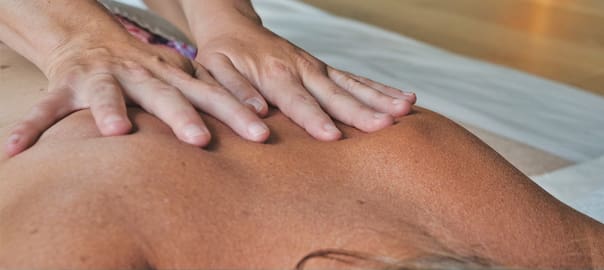
For cases that are not improving as expected, Sheddon Physiotherapy and Sports Clinic collaborates with sports medicine physicians. We may also integrate chiropractic care or massage therapy for a more holistic approach.
When to See a Physiotherapist for Tennis Elbow
Knowing when to seek professional help can make a significant difference in your recovery timeline. Here’s how to know it’s time to visit a physiotherapist in Oakville or Burlington.
Pain Lasting More Than 2 Weeks
Mild discomfort after new activity may resolve on its own, but if pain persists beyond two weeks, professional assessment is strongly recommended.
Difficulty With Everyday Tasks
If you find it difficult to lift a coffee cup, open a jar, or shake hands, this indicates that your symptoms are interfering with daily function—a clear sign you should seek care.
Recurring or Worsening Episodes
Recurrent pain often suggests that the underlying cause hasn’t been addressed. A comprehensive physiotherapy plan can help break this cycle.
Tennis Elbow Prevention: Keeping It from Coming Back
Recovery is only part of the equation. Prevention ensures that once you’re pain-free, you stay that way.
Movement Screening and Muscle Balance
Our physiotherapists conduct movement screenings to identify deficits in shoulder stability, grip strength, and scapular control, all of which contribute to elbow stress if left unchecked.
Strengthening and Load Management
We create individualized strengthening plans that help reintroduce activity in a safe, controlled way. This is particularly important for athletes and active individuals in Oakville and Burlington looking to return to sport.
Workplace or Sports Ergonomics
Improving your posture at a desk or refining your tennis swing can dramatically reduce reinjury risk. Small adjustments make a big difference in maintaining tendon health.
Why Choose Sheddon Physiotherapy and Sports Clinic for Tennis Elbow Treatment?
Tennis elbow can significantly impact your work, sport, and quality of life. If you’re still unsure what to do for tennis elbow , know that the team at Sheddon Physiotherapy and Sports Clinics in Oakville and Burlington are here to help.
Personalized, Evidence-Based Treatment Plans
We don’t use one-size-fits-all solutions. Our plans are based on clinical evidence, your goals, and your body’s unique needs.
Convenient Locations in Oakville and Burlington
Both clinics are easily accessible, making it simple to stay consistent with your care. We’re just minutes from Oakville GO Station and Mapleview Shopping Centre in Burlington.
Still wondering what to do about tennis elbow? Don’t wait for the pain to worsen or become chronic. Contact Sheddon Physiotherapy today at 905-849-4576 to schedule your appointment.
REFERENCES
Smidt, N., van der Windt, D. A. W. M., Assendelft, W. J. J., Deville, W. L. J. M., Korthals-de Bos, I. B. C., & Bouter, L. M. (2002). Corticosteroid injections, physiotherapy, or a wait-and-see policy for lateral epicondylitis: A randomised controlled trial. The Lancet, 359 (9307), 657–662.
https://doi.org/10.1016/S0140-6736(02)07811-X
Coombes, B. K., Bisset, L., & Vicenzino, B. (2010). Effectiveness and safety of corticosteroid injections and other injections for management of tendinopathy: A systematic review of randomised controlled trials. The Lancet, 376 (9754), 1751–1767.
https://doi.org/10.1016/S0140-6736(10)61160-9
Bisset, L., & Vicenzino, B. (2015). Lateral epicondylalgia. BMJ Clinical Evidence, 2015 , 1117.
For more info, contact Sheddon Physiotherapy and Sports Clinics in Oakville and Burlington at 905-849-4576.
We are located only 7 min from Oakville Go Station and 10 min from Sheridan College Oakville .
The Burlington physio clinic is located only 6 min north-west of Joseph Brant Hospital and 2 min south-west of Mapleview Shopping Centre , on Plains Rd East.