






If you’ve ever felt stiff, tight, or sore in a way that stretching alone doesn’t seem to fix, the missing piece may be your fascia. Myofascial release is a hands-on approach that targets this often-overlooked tissue and can play an important role in pain relief, mobility, and recovery.
Keep reading to find out more.
What Is Fascia?
Fascia is a connective tissue that surrounds and supports muscles, joints, nerves, and organs. Ideally, fascia should glide smoothly. However, injury, repetitive movement, stress, poor posture, or inactivity can cause it to become restricted, leading to stiffness, discomfort, and reduced movement.
What Is Myofascial Release?

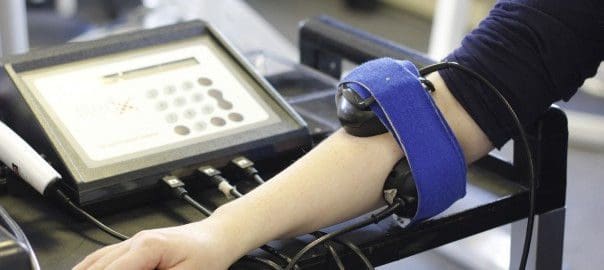
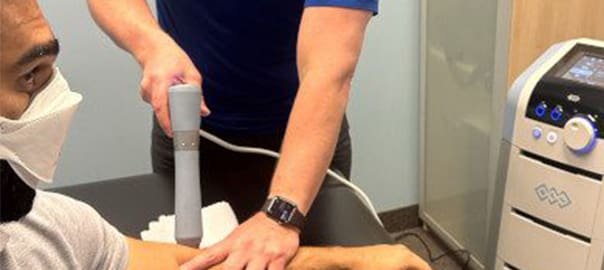
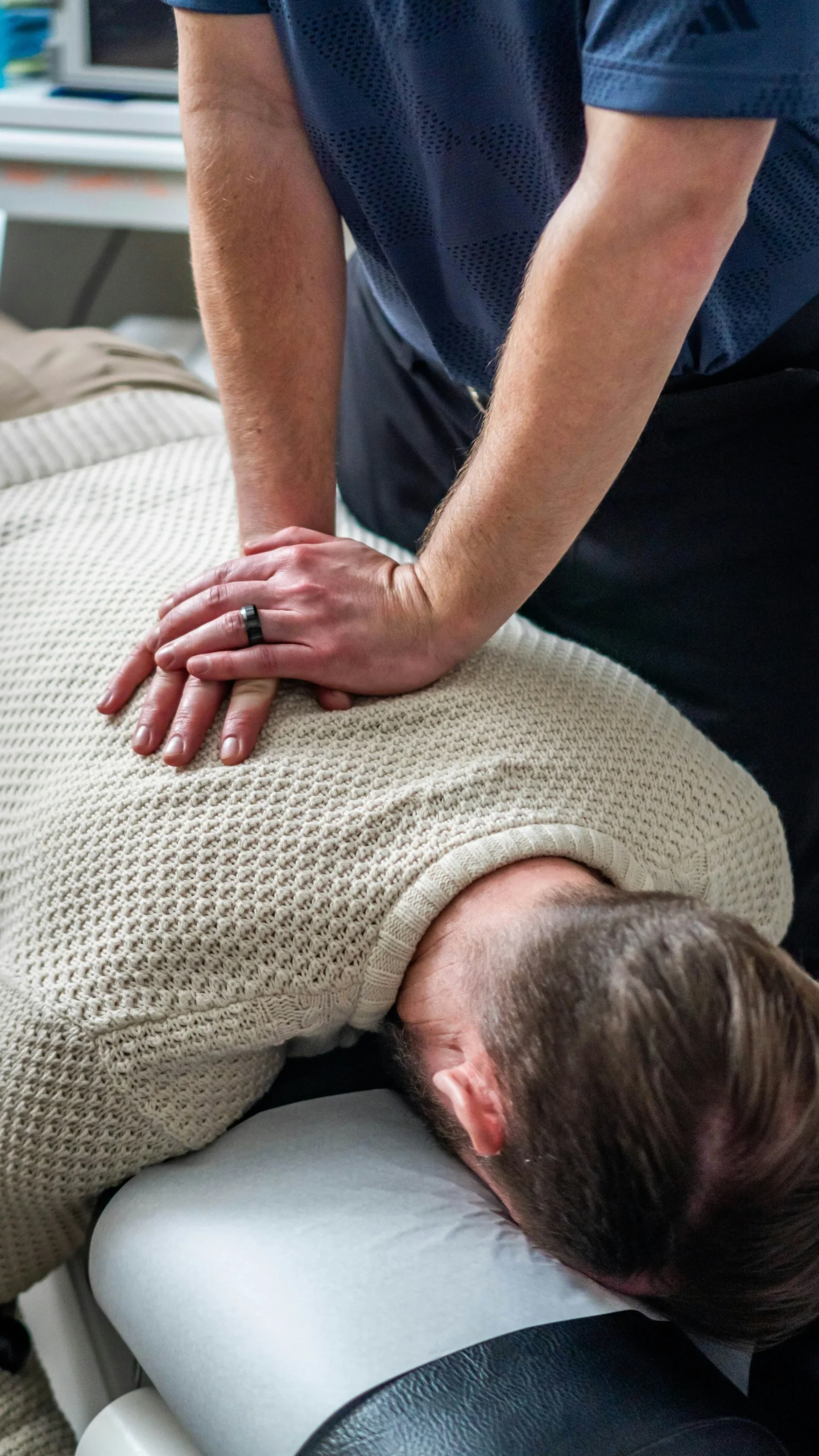
Myofascial release (MFR) is a technique designed to reduce tension and restore mobility in the fascia. It can be performed:
-
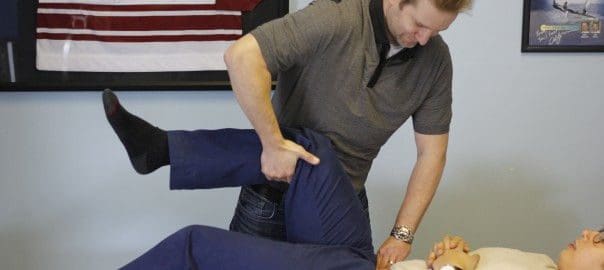
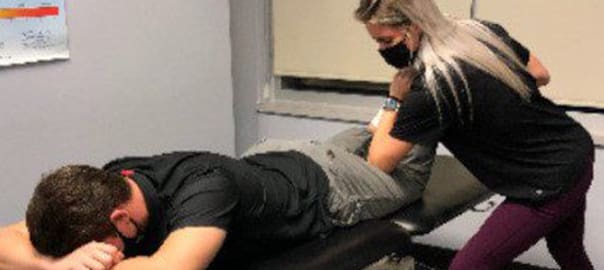
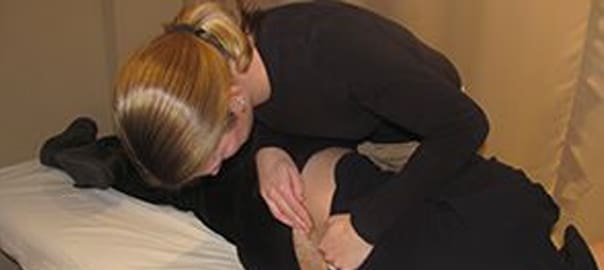
Manually, by a physiotherapist using sustained pressure and gentle stretching
-
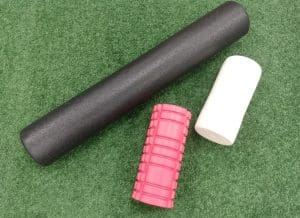
Independently, using tools such as balls or rollers to apply slow, controlled pressure
Benefits of Myofascial Release

Myofascial release may help:
-
Reduce muscle and joint pain
-
Improve flexibility and range of motion
-
Decrease stiffness after injury or prolonged sitting
-
Support recovery from sports and repetitive strain injuries
What Does the Research Show About Myofascial Release?
Research suggests that myofascial release techniques can:
-
Improve short-term flexibility and joint range of motion
-
Reduce muscle soreness, particularly after exercise
-
Help manage chronic musculoskeletal pain when combined with exercise and active rehabilitation
While myofascial release is not a standalone cure, evidence supports its use as part of a well-rounded physiotherapy program, especially when paired with strengthening, mobility work, and movement retraining.
Myofascial Release in Physiotherapy
In clinic, myofascial release is often used alongside:
-
Targeted exercise therapy
-
Joint mobilization
-
Education on posture and movement strategies
This combination helps address both the symptoms (tightness, pain) and the underlying causes (weakness, poor load tolerance, movement patterns).
The MELT Me Ball
For self-myofascial release at home, the MELT Me Ball is a fantastic option. Designed to provide targeted, gentle pressure, it helps release tension, improve mobility, and support overall connective tissue health.
The MELT Me Ball is perfect for working on areas such as:
-
Feet and arches
-
Hips and glutes
-
Upper back and shoulders
Its softer, controlled design makes it ideal for anyone who finds traditional foam rollers or harder balls too intense, offering precise relief where you need it most.
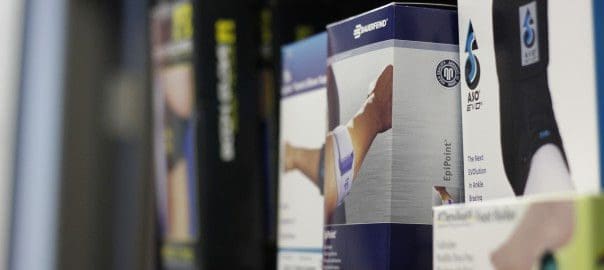
Sheddon Physiotherapy and Sports Clinic currently carries the MELT Me Ball, and our team can guide you on how to use it safely and effectively as part of your home routine.
Is Myofascial Release Right for You?
If you’re dealing with ongoing tightness, recovering from an injury, or looking to move more comfortably, myofascial release may be a helpful addition to your care plan. A physiotherapist can help determine when and how to use it for your specific goals.
If you’re curious about incorporating myofascial release, whether in clinic or at home, our team is happy to guide you.
Contact our clinic today
(905) 849-4576
Frequently Asked Questions
Can myofascial release make my injury worse?
When guided by a physiotherapist, myofascial release is considered safe and should not worsen your injury. At our clinic, techniques are selected based on your specific condition and tolerance, and are adjusted as your body responds.
Will my therapist show me how to do myofascial release at home?
Yes. When appropriate, your physiotherapist can teach you simple, safe techniques to use at home.
Is myofascial release enough on its own?
Myofascial release works best as part of a comprehensive physiotherapy plan. At our clinic, it is typically combined with exercise, movement retraining, and education to help address the root cause of pain and support long-term recovery.