







You finally get a full night’s sleep, only to open your eyes and feel that familiar stiffness or ache in your lower back.
Morning back pain is incredibly common, but that doesn’t mean you should ignore it. The good news? In most cases, it’s fixable with a few changes to your routine, sleep setup, or by getting some professional guidance.
Let’s break down the most common reasons your back might hurt when you wake up, plus what you can do about it.
Common Causes of Morning Back Pain

Your Sleeping Position
The way you sleep can put strain on your spine without you even realizing it.
- Back sleepers: If your pillow is too high or too low, your neck and back alignment can be off.
- Stomach sleepers: This position can put extra pressure on your lower back.
- Side sleepers: Without proper pillow support between your knees, your hips can twist and strain your spine.
Your Mattress or Pillow Might Be the Culprit
A mattress that’s too soft, too firm, or simply worn out can cause your spine to sag or your muscles to overcompensate during the night.
- Mattress lifespan: Most last 7–10 years.
- Pillow check: If it’s lost its shape or feels flat, it may not be giving your neck and back enough support.
Overnight Stiffness from Inactivity
When you’re asleep, you’re still for hours. That lack of movement can cause your muscles and joints to tighten, especially if you’ve been less active lately, or if you went to bed after sitting for long periods.
Underlying Health Conditions
Some conditions can cause back pain to be worse in the morning:
- Arthritis — inflammation that can feel worse after rest.
- Herniated disc — may cause stiffness or pain that improves once you start moving.
- Sciatica — nerve pain radiating from your lower back down your leg.
- Pregnancy-related changes — extra pressure on your spine and joints.
If this sounds familiar, an assessment with a physiotherapist can help identify the exact cause.
Quick Morning Relief Strategies
Before you even get out of bed, you can try some of the exercises below:
Knee to chest

How to do it: Lie on your back and gently bring one knee up toward your chest, holding it with your hands just below the knee. Keep the other leg bent or straight (whichever feels more comfortable). Hold for 10 seconds, then switch sides.
Why it’s good for morning low back pain:
-
It helps to gently mobilize the lower back after a night of stiffness.
-
Stretches the lumbar muscles, glutes, and hip structures that can tighten while sleeping.
-
Encourages spinal flexion, which may relieve pressure on stiff facet joints and discs.
-
Promotes blood flow and movement in the back, easing that “morning stiffness” many people feel.
Pelvic tilts


How to do it: Lie on your back with knees bent and feet flat on the bed or floor. Gently flatten your lower back against the surface by tightening your abdominal muscles and tilting your pelvis backward (as if you’re tucking your tailbone under). Hold for 3–5 seconds, then slowly release to your natural arch. Repeat 8–10 times.
Why it’s good for morning low back pain:
-
Activates the deep core and stabilizing muscles that support the spine.
-
Improves mobility of the lumbar spine and pelvis, helping to loosen stiffness after lying still overnight.
-
Can relieve pressure on the lower back joints by gently engaging and stretching surrounding tissues.
Cat Cow


How to do it: Start on your hands and knees in a tabletop position. As you inhale, round your spine, tucking your chin to your chest and drawing your belly button up toward your spine. As you exhale, arch your back, lifting your chest and tailbone toward the ceiling. Move slowly between these positions for 6–10 breaths.
Why it’s good for morning low back pain:
-
Gently mobilizes the spine through flexion and extension, reducing stiffness after sleeping.
-
Increases circulation to the back muscles and discs, “warming up” the spine for the day.
-
Helps relieve tension in the lower back, mid-back, and hips.
Childs pose

How to do it: Start on your hands and knees. Sit your hips back toward your heels while reaching your arms forward on the floor. Let your chest lower toward the ground and forehead rest gently on the mat or bed. Hold for 20–30 seconds, breathing deeply.
Why it’s good for morning low back pain:
-
Provides a gentle stretch to the lower back, hips, and thighs, areas that often tighten overnight.
- Reduces pressure in the lumbar region.
How to Prevent Morning Back Pain

- Choose the right mattress firmness for your body type and sleeping position.
- Use a supportive pillow to keep your spine aligned. Ask one of our therapists about our Pillowise Pillows and see if it may be right for you. Read more about them here.
- Stretch before bed — a short mobility routine can make a big difference.
- Avoid evening slouching — how you sit before bed can impact how you feel in the morning.
When to See a Physiotherapist

It’s time to book an physio appointment if:
- Your back pain lasts more than 1–2 weeks.
- The pain radiates into your legs, causes numbness, or is getting worse.
- Morning stiffness is impacting your daily activities.
How Sheddon Physiotherapy & Sports Clinic Can Help
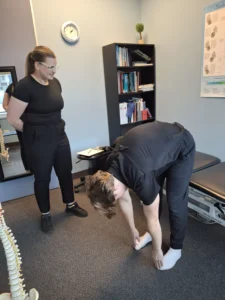
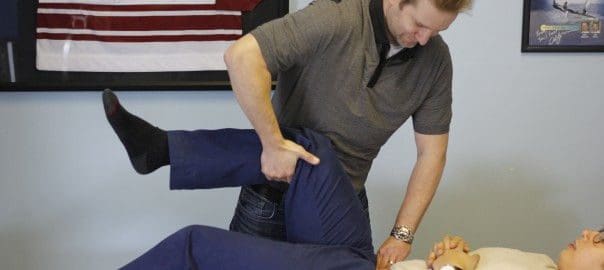
At Sheddon Physiotherapy and Sports Clinic in Oakville, we don’t just treat your symptoms, we find the root cause. Whether it’s your sleep setup, posture, muscle imbalance, or an underlying condition, we’ll create a plan that works for you.
Our physiotherapists can:
- Assess your posture, flexibility, and core strength.
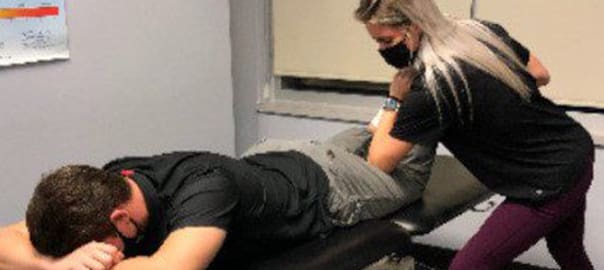
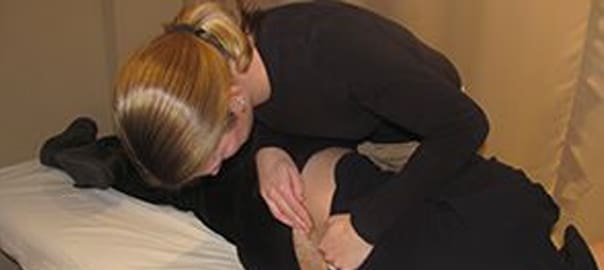
- Provide hands-on treatment to relieve pain and restore mobility.
- Give you targeted exercises to prevent morning stiffness.
Don’t let morning back pain ruin your day — book your assessment today.
Call us: 905-849-4576
Frequently Asked Questions
Why does my back hurt first thing in the morning but feel better later?
This is common because your spine and joints get stiff while you sleep, especially if you stay in one position for hours.
What is the best sleeping position for back pain?
Most people find relief sleeping on their back with a pillow under their knees, or on their side with a pillow between their legs. Both help keep your spine in a neutral, less-stressed position.
Is heat or ice better in the morning?
For morning stiffness, heat is usually better—it relaxes muscles and boosts blood flow. Ice is better if you have inflammation from an acute injury.
Can a physiotherapist really help with morning back pain?
Yes—physios can assess your posture, core strength, and sleep ergonomics, then create a plan with exercises, manual therapy, and lifestyle changes to keep your mornings pain-free.
What our Patients are Saying…
“This is the best physio clinic I have ever been to. The people who work there are beyond good. All physio clinics have laser, heat pads etc, but at Sheddon they also know exactly how to twist and bend you, so that the pain magically goes away. They are the very best, highly recommended!”
“Professional, clear explanations of the issues and the plan to treat. Very happy with Sheddon.”
“I’ve only been for an assessment so far but the staff is great and very knowledgeable. They accommodated me on short notice and have accommodating treatment hours.”