





Lately, we’ve noticed a growing trend in clinic:
patients come in for one or two physiotherapy visits, get a few exercises, and then disappear.
Often, when we check in, the reason is the same:
“My doctor said I just need exercises and I can do them at home.”
While home exercises are absolutely an important part of recovery, relying on them alone is one of the biggest reasons injuries linger, recur, or never fully resolve.
Let’s break down why this approach can fall short, and why regular physiotherapy care makes a real difference.
Why Exercise‑Only Rehab Often Isn’t Enough

Handing someone a few exercises and sending them home assumes:
- The diagnosis is 100% correct
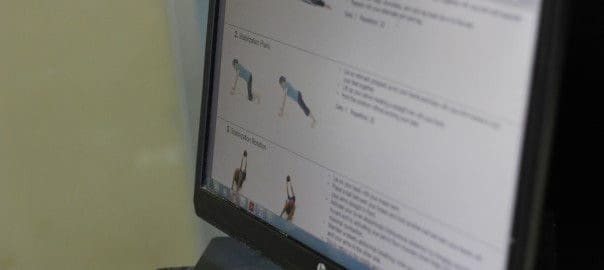
- The exercises are being performed perfectly
- The body will respond exactly as expected
- No setbacks, compensations, or flare‑ups occur
In reality, that’s rarely how recovery works.
The disadvantages of stopping Physiotherapy after 1–2 visits

1. Exercises don’t self‑correct
Small technique errors can overload the wrong tissue, delay healing, or even create new pain elsewhere.
2. Your injury changes over time
What’s appropriate in week 1 is often not appropriate in week 4. Without reassessment, progress stalls.
3. Pain relief ≠ full recovery
Symptoms may settle, but strength, mobility, control, and confidence often lag behind, setting you up for reinjury.
4. Underlying contributors go unaddressed
Movement patterns, posture, training errors, work demands, or sport‑specific loads are rarely fixed with generic exercises alone.
5. No accountability or progression
Most people stop or under‑dose their exercises once pain improves, even though tissue healing and capacity building are still underway.
Why Regular Physiotherapy Matters

Physiotherapy isn’t just about exercises, it’s about ongoing problem‑solving.
With regular care, your physio can:
- Reassess and refine your diagnosis as your body responds
- Progress exercises at the right time and intensity
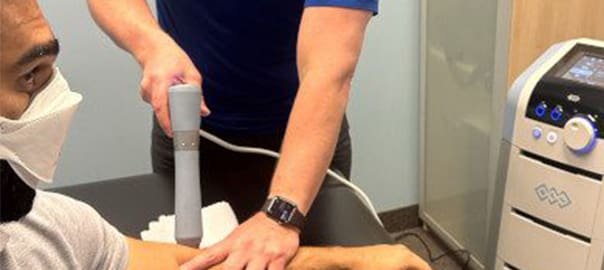
- Address stiffness, muscle guarding, or joint restrictions manually
- Modify loads based on sport, work, or life demands
- Catch small issues before they become setbacks
- Help you return to activity with confidence, not fear
In other words, physiotherapy adapts with you, not just at the start.
Why Do People Stop Physiotherapy Early?
This trend isn’t about laziness, there are real barriers.
Common reasons we hear:
- Cost: Concerns about extended treatment expenses
- Time: Busy schedules, work, kids, and sport
- Feeling “good enough”: Pain has improved, so rehab feels optional
- Mixed messaging: Being told exercises alone are sufficient
- Underestimating the injury: “It’s just a strain” or “It’ll work itself out”
All of these are understandable, but they often cost more long‑term when injuries linger or return.
How to Overcome These Barriers
Here are practical ways to put your recovery first, even with real‑life constraints:
1. Reframe physio as an investment, not an expense
Incomplete rehab often leads to chronic pain, time off work, or repeated flare‑ups, all far more costly.
2. Fewer visits, better timing
Consistent but strategically spaced appointments are often more effective than one‑off visits.
3. Combine in‑clinic care with efficient home programs
Physio doesn’t mean endless appointments, it means guided progression.
4. Think long‑term function, not short‑term pain relief
Being pain‑free today isn’t the same as being resilient tomorrow.
5. Prioritize your health like you would any other commitment
You wouldn’t stop antibiotics halfway because you feel better, rehab deserves the same respect.
The Bottom Line

Exercises matter. Home programs matter. But they work best when paired with ongoing physiotherapy care.
Recovery isn’t a single decision, it’s a process.
If you’ve started physio, your body is telling you something important. Giving it the time, guidance, and consistency it needs is one of the best investments you can make in your long‑term health.
Your future self will thank you.
Still not feeling great after one or two physio visits? That’s a sign your body may need more adjustments, more specific exercise progressions, or a different approach altogether. Recovery often requires fine‑tuning along the way, not just a single plan at the start.
If you’ve fallen off your physio plan or aren’t where you expected to be, we encourage you to book back in and reassess. A follow‑up visit can help identify what’s holding you back and get you moving forward again.
And if you’re feeling ready to push a little more, whether that’s returning to sport, building strength, or regaining confidence in movement, talk to your physiotherapist about progressing your care to physiotherapy at OAA, where we focus on higher‑level rehab and getting you safely back to the activities you love.
Call today at (905) 849-4576
Frequently Asked Questions
How many physiotherapy visits do I need?
The number of physiotherapy visits needed depends on your injury, how long it’s been present, and your activity goals. While some minor issues may improve in a few visits, most injuries require ongoing physiotherapy over several weeks to restore strength, mobility, and prevent reinjury. One or two visits is rarely enough for full recovery.
Is physiotherapy just exercises?
No. While exercises are an important part of physiotherapy, treatment also includes hands-on therapy, movement correction, load management, education, and progression over time. Exercises alone don’t adapt themselves, your physiotherapist does.
Can I just do physio exercises at home?
Home exercises are most effective when paired with regular physiotherapy reassessment. Without follow-up visits, exercises may no longer be appropriate as your condition changes, or may be performed with subtle errors that slow recovery.
Is physiotherapy worth it if I start feeling better?
Yes. Feeling better does not always mean you are fully healed. Physiotherapy helps restore strength, movement quality, and tissue capacity, reducing the risk of future flare-ups or reinjury, especially for active individuals.
Do I need a doctor’s referral for physiotherapy in Oakville?
No referral is required to see a physiotherapist in Ontario. However, some extended health insurance plans may require a referral for coverage, so it’s best to check with your provider.
How long does physiotherapy take to work?
Many patients notice improvements within the first few visits, but full recovery often takes weeks, not days. The timeline depends on the injury, consistency of care, and adherence to your home program.
How often should I go to physiotherapy?
Most patients benefit from regular but strategically spaced visits, especially early in recovery. Your physiotherapist will adjust frequency based on how your body responds and your goals.
When should I book another physiotherapy appointment?
If you’ve stopped physio and symptoms haven’t fully resolved — or if pain has returned — it’s a good idea to book a reassessment. Early adjustments can prevent small issues from becoming chronic problems.