



Knee pain can be confusing. One day your knee feels sore after a twist, and the next it locks, swells, or even gives way. How do you know if it’s an ACL tear, a meniscus injury, or something else entirely? At Sheddon Physiotherapy and Sports Clinic in Oakville, we help athletes, weekend warriors, and active adults understand their knee pain so they can get the right treatment faster.
Common Knee Symptoms and What They Mean
| Symptom | Likely Injury | Notes |
|---|---|---|
| Swelling within hours of injury | ACL tear | Rapid swelling, often with a “pop” sound |
| Pain on the inside or outside of knee | Meniscus tear | Often after twisting or squatting |
| Locking or catching | Meniscus tear | Knee may get stuck temporarily |
| Knee giving way | ACL tear | Instability when pivoting or landing from a jump |
| Pain with squatting or twisting | Meniscus tear | Sharp or stabbing pain inside the joint |
| Gradual swelling after activity | Overuse / cartilage injury | Less sudden, may be mild or intermittent |
Key Symptoms to Watch For

-
Swelling: Rapid swelling usually indicates an ACL tear, while delayed or mild swelling may point to a meniscus or cartilage injury.
-
Locking or catching: Often a sign of meniscus damage.
-
Instability: Feeling your knee “give out” is classic for ACL injuries.
-
Pain location: Inside or outside knee pain often points to meniscus or ligament issues.
Common Causes and Risk Factors for Knee Injuries

ACL Tears
-
Sudden pivoting, twisting, or landing awkwardly
-
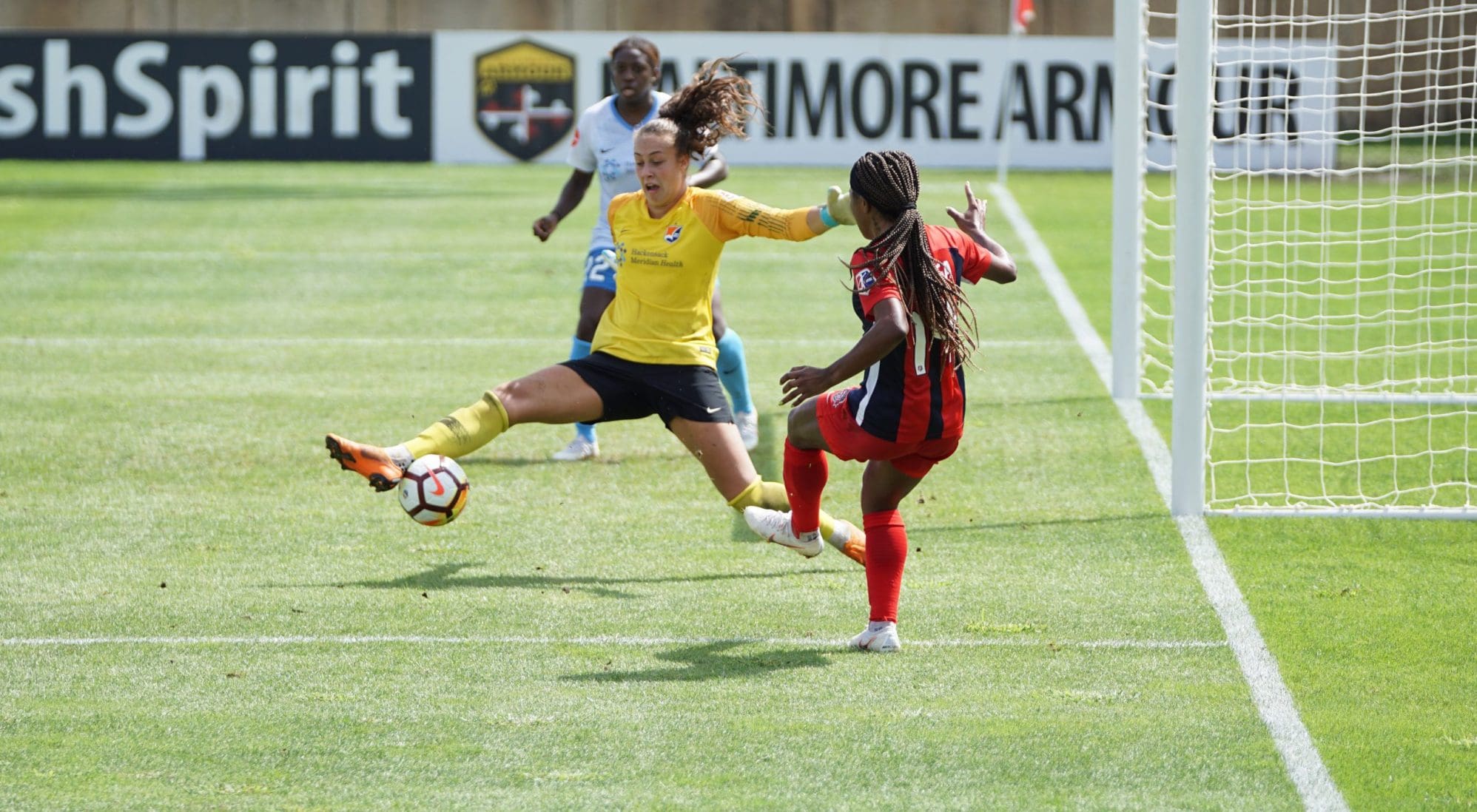
High-impact sports like soccer, basketball, volleyball, or skiing
Meniscus Injuries
-
Twisting the knee while bearing weight
-
Squatting or sudden changes in direction
-
Degenerative tears in older adults
Other Causes
-
Arthritis or overuse
-
Ligament sprains
Prevention Tips for Knee Injuries

Even if you’ve never injured your knee, it’s smart to reduce your risk:
-
Strengthen key muscles: Quadriceps, hamstrings, glutes, and calves
-
Balance and agility drills: Improve knee stability and proprioception
-
Warm-up properly: Especially before sports or heavy activity
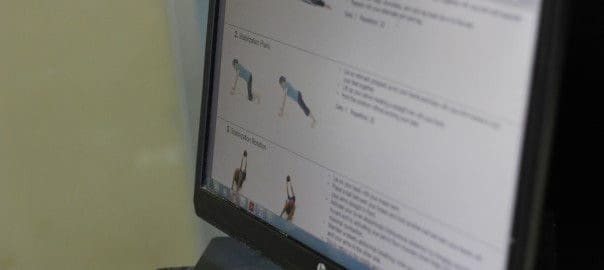
- The FIFA 11+ is a structured warm-up program designed to reduce injuries in soccer players, particularly knee injuries like ACL tears. It combines exercises to improve muscle control, stability, and movement mechanics. Research shows that teams consistently using FIFA 11+ experience fewer knee injuries and overall lower injury rates, making it a simple yet highly effective tool for player safety and performance.
-
Click here to watch our physiotherapist Kurt go through some great exercises adapted from the Fifa 11 +
-
Wear supportive footwear: Choose shoes suited to your sport or activity
Rehab and Recovery for Knee Injuries

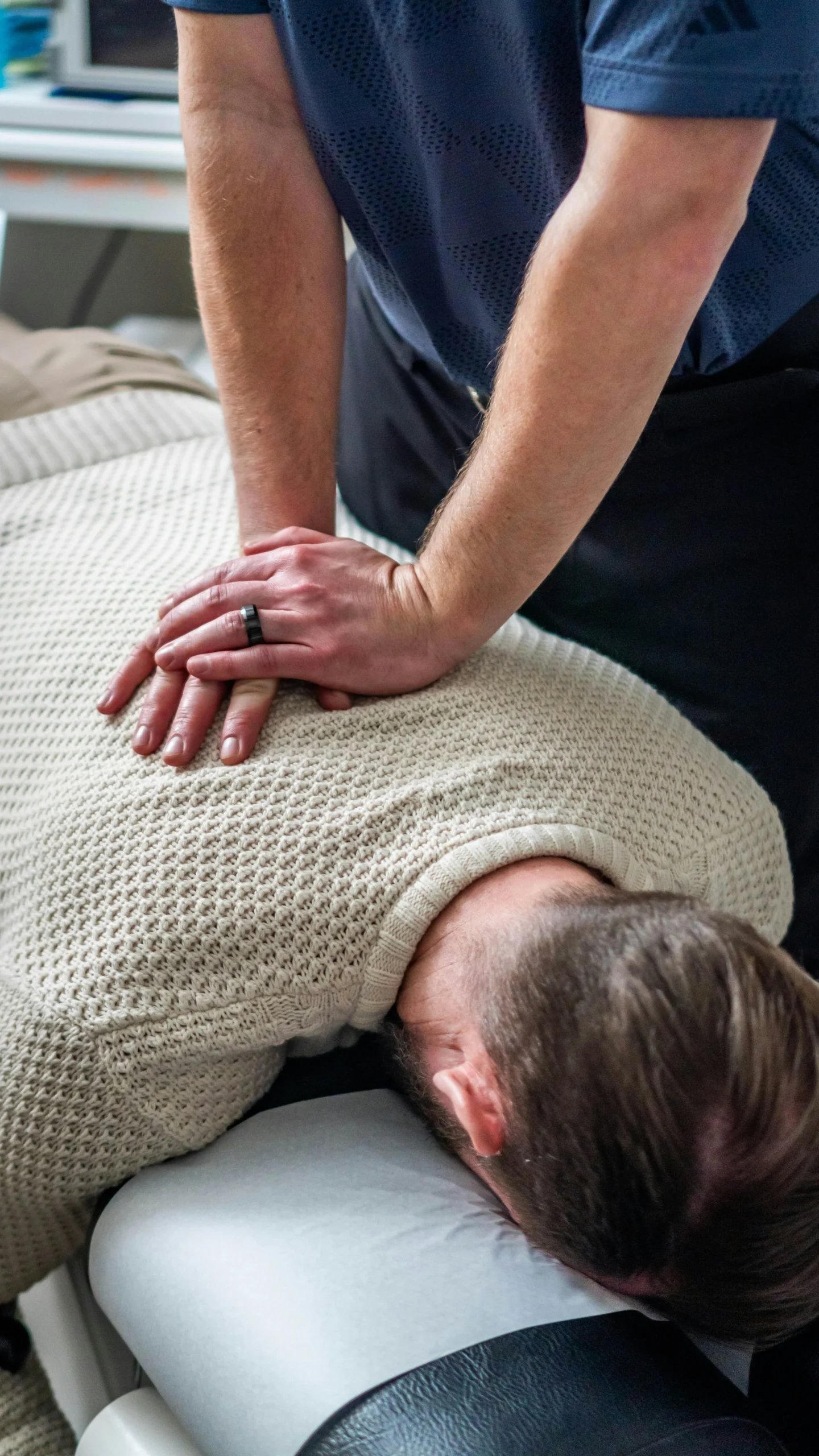
Early assessment by a physiotherapist can reduce long-term damage and speed recovery. At Sheddon Physiotherapy and Sports Clinic, rehab may include:
-
Range-of-motion and flexibility exercises
-
Strengthening and neuromuscular control
-
Gradual return to sport or daily activities
-
Tailored programs for athletes, weekend warriors, and active adults
When to See a Physiotherapist in Oakville
Seek professional help if you notice:
-
Swelling, pain, or instability after a twist or impact
-
Locking, catching, or popping sensations
-
Pain limiting your daily activities or sport
-
Recurrent episodes of your knee giving way
Early assessment helps prevent further injury and supports a safer, faster return to activity.
If you or someone you know is experiencing knee pain, don’t wait. Contact Sheddon Physiotherapy and Sports Clinic in Oakville for a consultation and get the right care to start your recovery.
Call us now at (905) 849-4576.
FAQs
Q: Can meniscus injuries heal without surgery?
A: Some tears improve with physiotherapy, especially with strengthening and movement retraining.
Q: Can physiotherapy prevent future knee injuries?
A: Yes! Strength, mobility, and neuromuscular control exercises reduce risk of ACL and meniscus injuries, particularly for pivoting and jumping sports.
Q: Why does my knee give out?
A: Knee instability or “giving way” may indicate:
-
ACL injury
-
Muscle weakness
-
Poor neuromuscular control
-
Patellar instability
If your knee repeatedly gives out, it’s important to get a proper assessment.