



Winter in Oakville brings families and friends to local rinks, from Sixteen Mile Sports Complex to the outdoor skating rinks in local parks. Whether you’re a new skater, someone who skates only a few times a year, or an older adult wanting to join in on the winter fun, ice skating can feel intimidating if you haven’t done it in a while.
At Sheddon Physiotherapy and Sports Clinic, we regularly help recreational skaters build confidence, prevent injuries, and make skating more enjoyable.
With a bit of preparation, you can step onto the ice safely and comfortably this winter.
Common Skating Injuries in Recreational Skaters
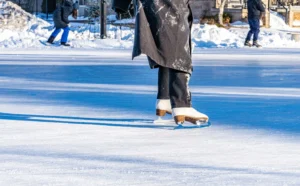
New or occasional skaters are more prone to certain injuries because they lack skating conditioning, balance, and joint stability. The most common include:
1. Wrist & Hand Injuries
Falling on outstretched hands can strain, break or injure the wrists.
2. Ankle Sprains
Skates force your ankles into a stiff position and if your ankle stabilizers are weak, sprains are common.
3. Knee Pain
Poor alignment (like knees collapsing inward) or holding a crouched posture increases stress on the kneecap and surrounding tissues.
4. Groin & Hip Strains
Skating uses lateral push-offs, which can overload the hips and groin muscles if they’re not conditioned.
5. Low Back Pain
Tense posture, weak core muscles, and hesitancy on the ice all contribute to back stiffness or soreness, especially in older skaters.
Key Fitness Components for Skating
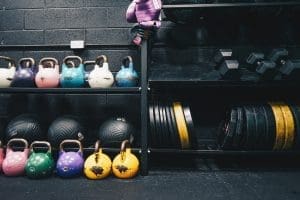
Before jumping into exercises, it’s helpful to understand the foundational fitness components that make skating easier for recreational or infrequent skaters:
1. Balance & Stability
Skating requires constant weight shifting and single-leg control. Strong balance reduces falls and improves confidence.
2. Glute Strength
Your glutes, especially the glute medius, control hip and knee alignment, helping you push off, glide, and maintain stability.
3. Leg Strength & Endurance
Skaters stay in a slightly bent position. Strong quads, hamstrings, and calves help you maintain this stance without fatiguing quickly.
4. Core Strength
A steady core keeps you upright and reduces back strain, especially for older skaters or those nervous on the ice.
5. Ankle Strength & Mobility
Your ankles work harder in skates. Better ankle control leads to smoother movement and fewer strains.
These components are the foundation of safe, enjoyable skating, especially if you only skate occasionally or are returning to the ice after years away.
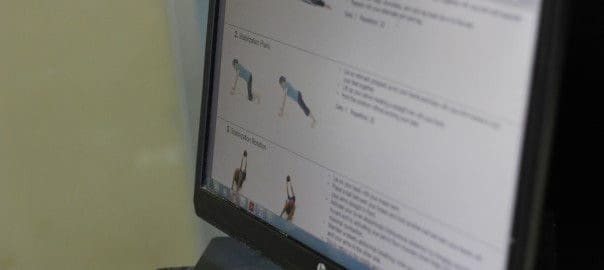
5 Best Exercises to Make Skating Easier
These exercises target balance, glute strength, and lower-body stability, essential for skating.
1. Goblet Squats
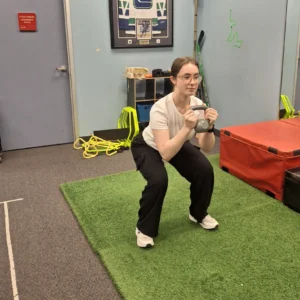
Why: Builds lower-body strength and mimics the skating stance.
How: Hold a weight up against your chest. Stand with feet hip-width apart, bend your knees slightly, and push your hips back while keeping your chest tall.
Reps: 3×10
2. BOSU Squat
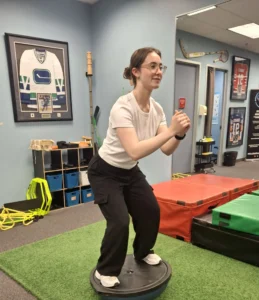
Why: A fantastic exercise for strength, balance, and lower-body stability.
How: Stand on the flat side of a BOSU (dome facing down) with your feet hip-width apart. Squat slowly while keeping your knees aligned and ankles steady.
Reps: 3 x 10
3. Standing Hip Abduction with Resistance Band
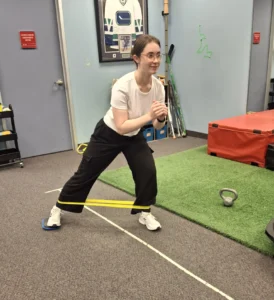
Why: Strengthens the glutes and mimics the lateral push-off motion used in skating.
How: Place a slider, plastic plate, or small towel under one foot. Keep a resistance band around your ankles. Stand tall and shift your weight onto the stationary leg. Slide the other foot out to the side while keeping your torso steady and hips level.
Reps: 3 x 10
4. Single-Leg Balance
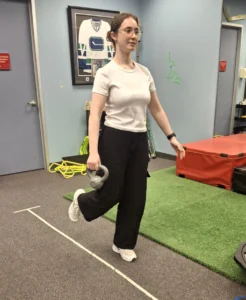
Why: Enhances stability and helps reduce falls.
How: Stand on one leg for 20–30 seconds. Progress by switching a weight from one hand to the other.
Goal: 3 rounds each leg
5. Calf Raises
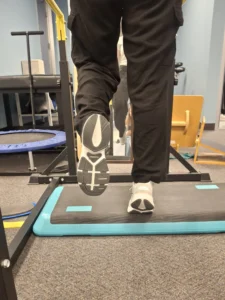
Why: Strengthens the ankles and calves for better push-off power.
How: Rise onto the balls of your feet and lower slowly.
Reps: 3 x 10
Tips for Safe and Fun Ice Skating in Oakville
Wear comfortable layers that allow movement
Ensure skates fit properly and blades are sharp
Start slow and build confidence gradually
Take breaks to avoid fatigue-related falls
If something hurts, a physiotherapy assessment can help address it early
Get Ready for a Great Skating Season
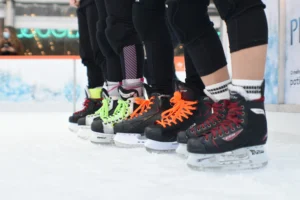
If you want to skate with family and friends this winter without worrying about soreness or injuries, the physiotherapy team at Sheddon Physiotherapy and Sports Clinic can help. We’ll assess your strength, mobility, and balance, then create a personalized plan to help you feel confident on the ice.
Stay active, stay safe, and enjoy everything Oakville’s skating rinks have to offer this winter!