




Summary:
Exercise can do wonders as you age, improving everything from strength and balance to mental health and bone density. But what does exercise look like when you’re 45 or older? This article explains the benefits of staying active as you age, common barriers to exercise, and the best exercises for older adults.
- Index:
How Inactivity Speeds Up Aging
Barriers to Exercise – Myths and Misconceptions
How Exercise Benefits You if You Are 45 Years Old or Over
The Importance of Exercise in Preventing Chronic Diseases
How Exercise Can Improve Mental Health and Cognitive Function
The Role of Exercise in Maintaining Flexibility and Balance
Starting an Exercise Routine After 45: Tips and Considerations
The Best Types of Exercises for Older Adults
The Importance of Consistency in Your Exercise Routine
How Inactivity Speeds Up Aging

Up to half of the physical decline we often blame on “getting older” is actually due to reduced physical activity—not age itself. After 45, staying sedentary can lead to a wide range of health challenges, including:
- Reduced muscle mass with accompanying decrease in strength and physical endurance
- Reduced coordination and balance
- Reduced joint flexibility and mobility
- Reduced cardiovascular and respiratory function
- Reduced bone strength
- Increased body fat levels
- Increased blood pressure
- Increased susceptibility to mood disorders, such as anxiety and depression
- Increased risk of various diseases including cardiovascular disease and stroke
Barriers to Exercise – Myths and Misconceptions
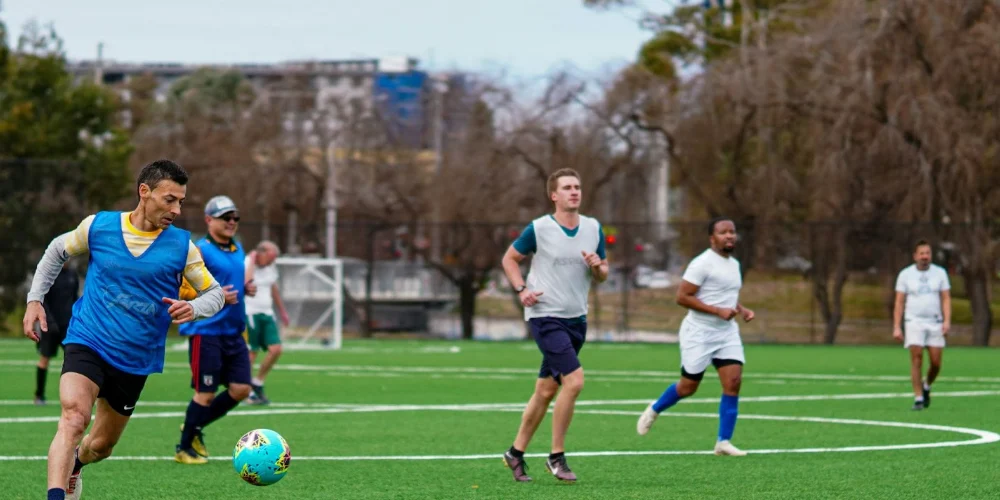
Many older adults mistakenly believe that exercise is unsafe or unnecessary as they age. These myths can discourage people from staying active, leading to a faster decline in health and function. Common misconceptions include:
- The body doesn’t need as much physical activity with age.
- Exercise is risky for older adults because it could cause injury.
- Older adults are too frail or weak to be active.
- Only vigorous, high-intensity exercise provides benefits.
In reality, research shows the opposite—safe, tailored exercise can strengthen the body, protect against injury, and improve quality of life at any age.
Even when older adults understand the benefits of exercise, other challenges can get in the way, such as:
- A preference for sedentary pastimes like reading or watching TV
- The perceived high cost or time commitment of gym memberships
- Feeling out of place in activities that seem geared toward younger people
- Fitness programs that don’t consider the needs or interests of older adults
- Busy schedules that leave little room for physical activity
Multiple studies confirm that the human body responds positively to exercise—no matter the age. As we grow older, natural changes occur, including loss of muscle mass, reduced flexibility, decreased strength, impaired balance, and lower bone density. These changes can increase injury risk and limit independence.
The good news? Well-designed, age-appropriate exercise programs can slow, stop, or even reverse many of these effects, helping you maintain mobility, prevent injuries, and enjoy a fuller, more active life.
How Exercise Benefits You if You Are 45 Years Old or Over
Muscles
The amount and size of muscle fibres decreases with age. Some studies suggest that the average body loses around 3 kg of lean muscle every decade from middle age onwards. The muscle fibres that seem to be most affected are those which govern strength and speedy contraction. There is evidence to suggest that these changes are related to a sedentary lifestyle, rather than age. Muscle mass can increase in the older person after regularly exercising for a relatively short period of time.
Bones
Bone density begins to decline after the age of 40, but this loss accelerates around the age of 50. As a result of this bone loss, older people are more prone to bone fractures. Exercise at an earlier stage reduces the risk of bone loss and osteoporosis. Weight-bearing exercises, in particular, help to keep bones healthy and strong.
Heart and lungs
Research shows that while it may take longer for older adults to build cardio-respiratory fitness compared to younger people, the benefits are just as significant. With consistent exercise, people of any age can strengthen their heart and lungs, boost endurance, and improve overall health.
The Importance of Exercise in Preventing Chronic Diseases
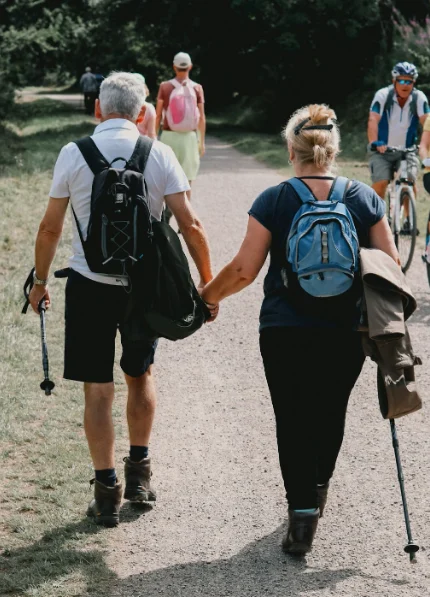 As we get older, the risk of chronic conditions like heart disease, diabetes, and arthritis naturally increases. But here’s the good news—regular exercise can dramatically lower that risk and help you stay healthier, longer.
Cardio activities like walking, swimming, or cycling can strengthen your heart, lower blood pressure, and boost circulation. Think of it as an investment in your future health—every workout is a step toward preventing cardiovascular disease.
Strength training is equally important. Weight-bearing exercises help maintain bone density, reducing the risk of fractures and osteoporosis. A few sets of resistance exercises each week can keep your bones and muscles strong well into the later decades of life.
Bottom line: it’s never too late to start. Every bit of movement counts, and your body will thank you for it—today and for years to come.
How Exercise Can Improve Mental Health and Cognitive Function
Exercise isn’t just good for your body—it’s one of the best things you can do for your mind. Think of it as a natural mood booster and brain sharpener rolled into one.
As we age, it’s easy to feel drained by daily responsibilities, but physical activity can change that. Moving your body triggers the release of feel-good endorphins, helping to reduce anxiety, ease symptoms of depression, and improve overall mood. Even something as simple as a walk through your Oakville or Burlington neighborhood can lift your spirits.
The benefits go beyond mood. Research shows that regular exercise supports brain health by improving memory, focus, and cognitive function. Staying active helps keep your mind sharp, your thinking clear, and your mental resilience strong—so your brain can keep pace with your body at every stage of life.
The Role of Exercise in Maintaining Flexibility and Balance
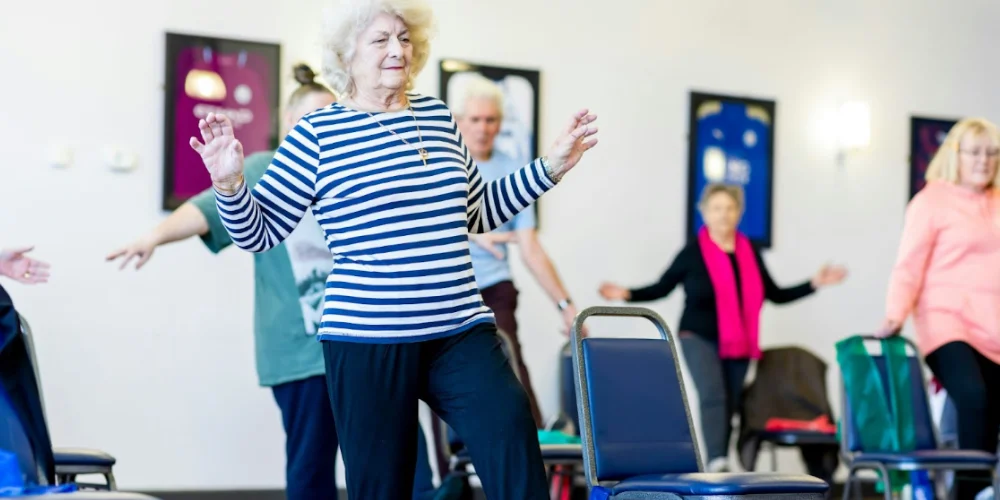
Flexibility and balance aren’t just “nice to have” as we age—they’re essential for staying active, independent, and injury-free. Over time, muscle mass naturally decreases, joints can stiffen, and reaction times slow. These changes can make everyday activities—like climbing stairs, bending to pick something up, or walking on uneven ground—more challenging.
Regular exercise can counteract these effects. Stretching routines improve joint range of motion, while balance-focused activities like yoga, Pilates, or tai chi strengthen stabilizing muscles and enhance coordination. Even simple moves—such as standing on one leg while brushing your teeth—can make a measurable difference over time.
By keeping flexibility and balance a priority, you reduce your risk of falls, move with more confidence, and maintain the freedom to enjoy the activities and lifestyle you love well into your later years.
Starting an Exercise Routine After 45: Tips and Considerations
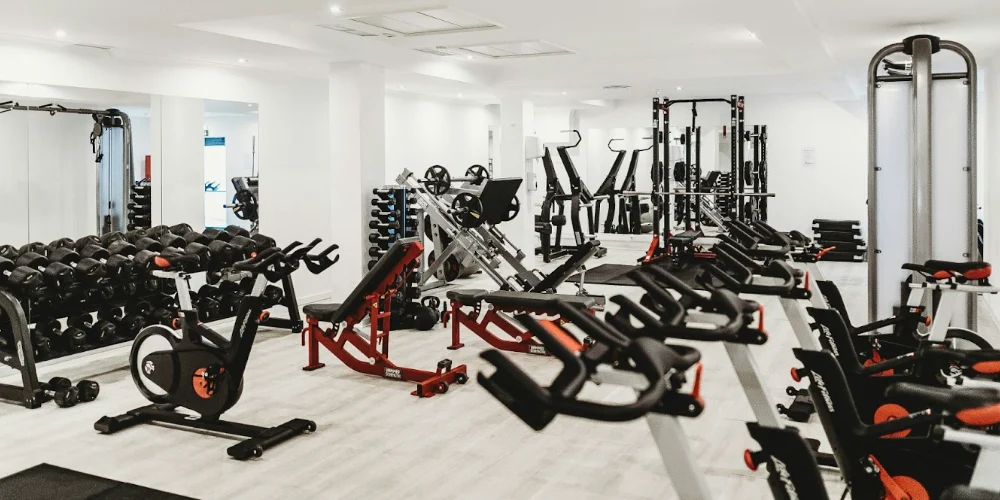
So, you’re thinking about starting an exercise routine? Maybe you’ve been a bit dormant for a while, and the idea of working out feels intimidating. Don’t worry, you’re not alone. The truth is, it’s never too late to start—and your body wants to move.
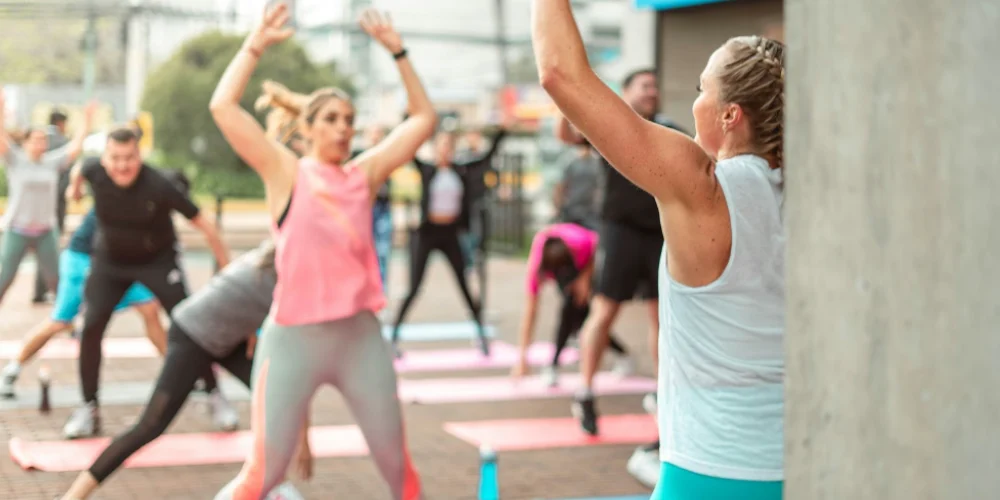
If you’re over 45, you don’t have to jump into a crazy intense workout plan. Start slow with low-impact activities, like walking, stretching, or gentle yoga. The key is to listen to your body and ease into it, especially if you’ve been inactive. In Oakville and Burlington, you can enjoy nature walks, or join local fitness classes designed for older adults. You don’t need to be an athlete to get started—just a little motivation and the willingness to commit.
Also, make sure to consult with a professional before jumping into a new fitness routine, especially if you’ve got pre-existing health conditions or concerns. Physiotherapists and trainers can provide you with tailored advice to ensure you’re starting off safely.
The Best Types of Exercises for Older Adults
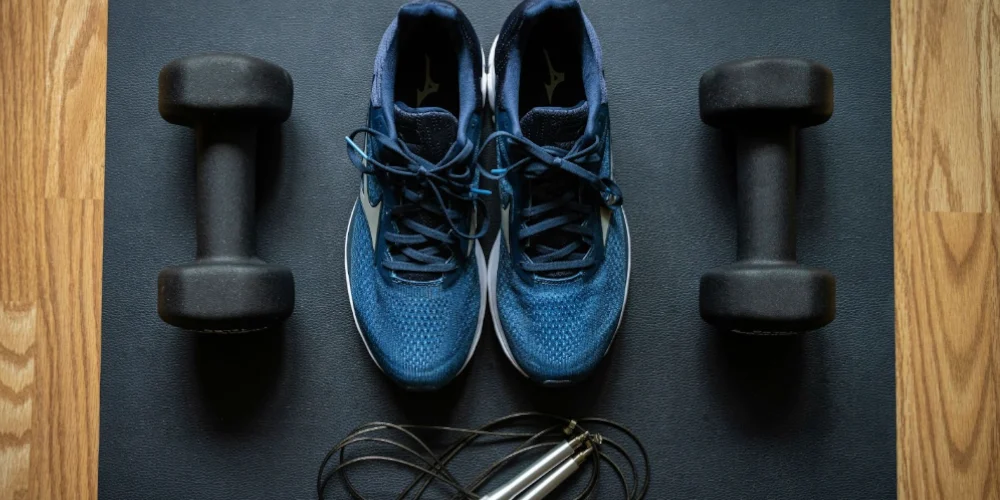
Alright, let’s get into specifics. What are the best types of exercises for older adults? Here’s a quick rundown of some of the most effective options that can make a big difference:
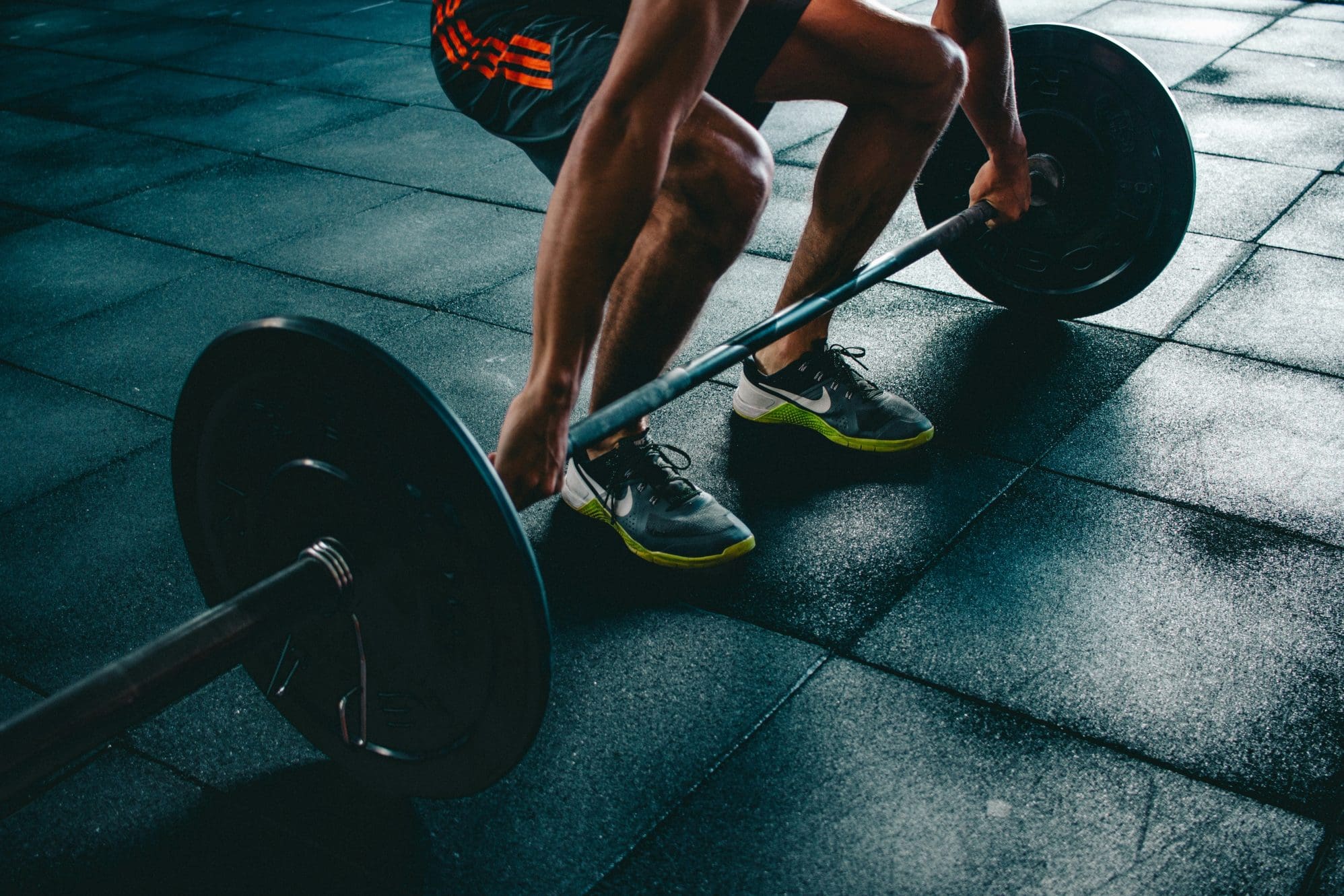
- Strength Training: This isn’t just for bodybuilders. Strength training helps preserve muscle mass, improve bone density, and maintain balance. Start with light weights or resistance bands and gradually increase the intensity.
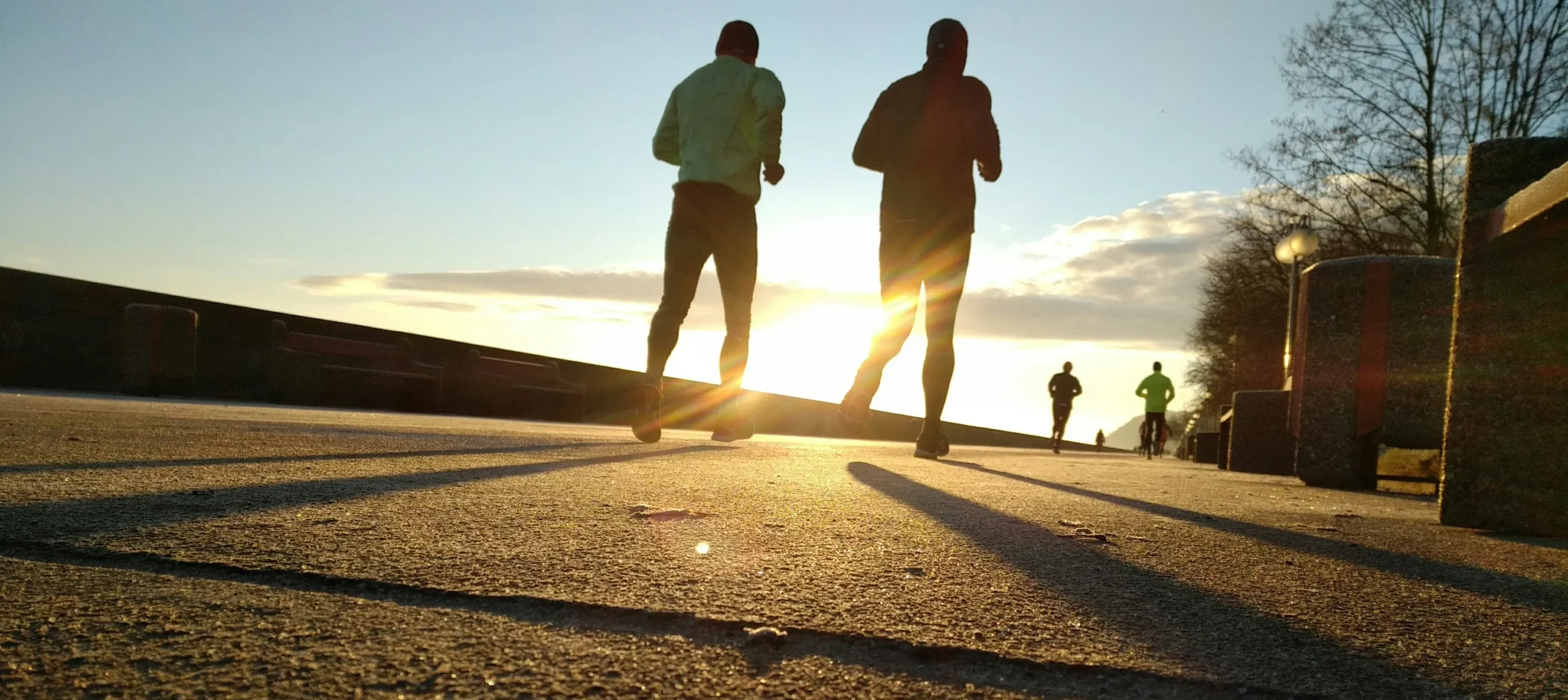
- Cardio: Low-impact cardio is a winner for heart health. Whether it’s walking, swimming, or cycling, aim for 30 minutes of moderate activity most days of the week. Your heart—and lungs—will thank you.
- Flexibility: Stretching exercises and yoga can help maintain flexibility, improve posture, and reduce muscle stiffness. You don’t have to do an hour-long class—just a few minutes each day can work wonders.
Oakville and Burlington have lots of great options, so take advantage of your local environment!
The Importance of Consistency in Your Exercise Routine
The benefits of exercise only stick around if you make it a regular part of your routine. You can’t expect to get fit after one workout—and you shouldn’t expect to see major results after a few weeks either. But if you stick with it, you’ll definitely feel stronger and more energized.
Set realistic goals, track your progress, and keep going—even if it’s just a 15-minute walk around the block each day. The consistency will pay off, trust me. Even on the days you’re not feeling it, remember that every little bit counts.
If you’re currently injured and unsure where to start, the experienced therapists at Sheddon Physiotherapy and Sports Clinic are here to guide you every step of the way and help you confidently begin your journey toward better health.
We are located only 6 min East of Oakville Place and 7 min from Oakville Go Station.
The Burlington physio clinic is located only 2 min south of IKEA Burlington and 6 min north of Burlington Golf & Country Club, on Plains Rd East.