





Superman might have been on to something when he was wearing those tight spandex.
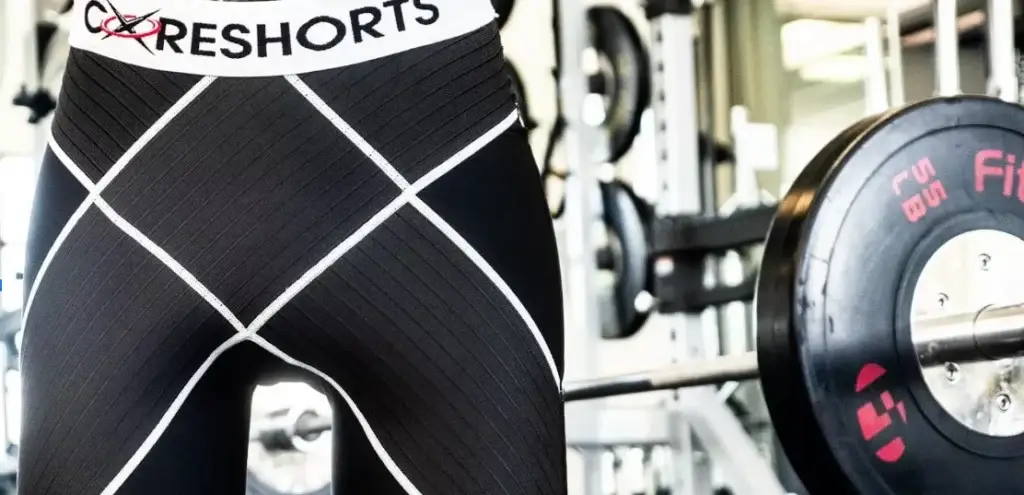
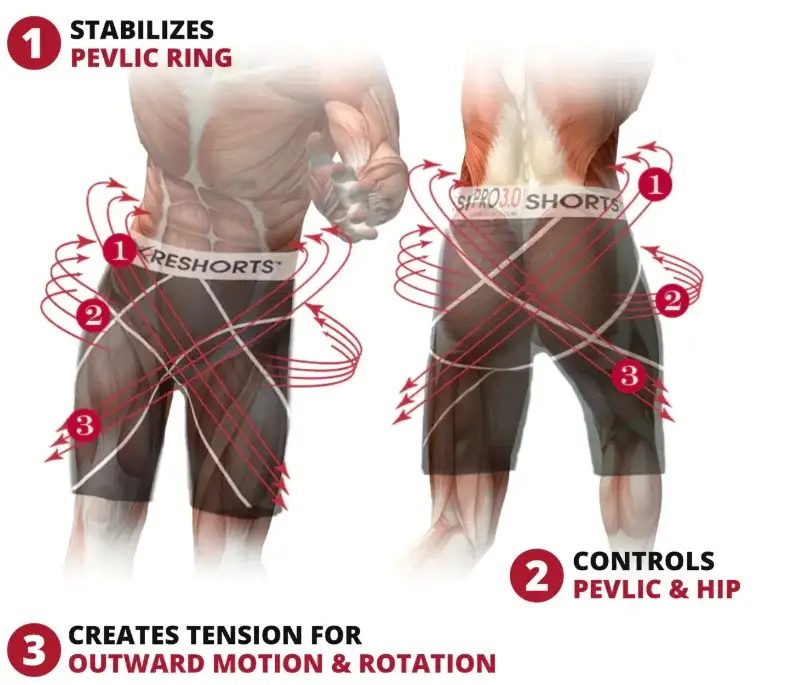
When it comes to building strength, most people focus on lifting heavier, running faster, or pushing harder. But what if one of the keys to unlocking better performance was something as simple as what you wear? Compression gear, such as the CORESHORTS™ available at Sheddon Physiotherapy and Sports Clinic, are designed to do more than just provide support—they help stabilize your pelvis and core during movement, allowing your muscles to activate more efficiently. Whether you’re recovering from an injury, working on building strength, or looking to improve your form, compression gear offers a functional solution to help you train smarter and move better.
Continue reading to learn how compression gear works, the science behind their benefits, and who can get the most out of using them.
Benefits of Compression Gear in Strength Training
Enhanced Recovery
One of the most well-supported benefits of compression gear is its ability to enhance post-exercise recovery. By applying external pressure to the muscles, compression garments can help reduce inflammation and improve circulation. This combination can result in less muscle soreness and quicker recovery after strength training sessions.
Improved Performance
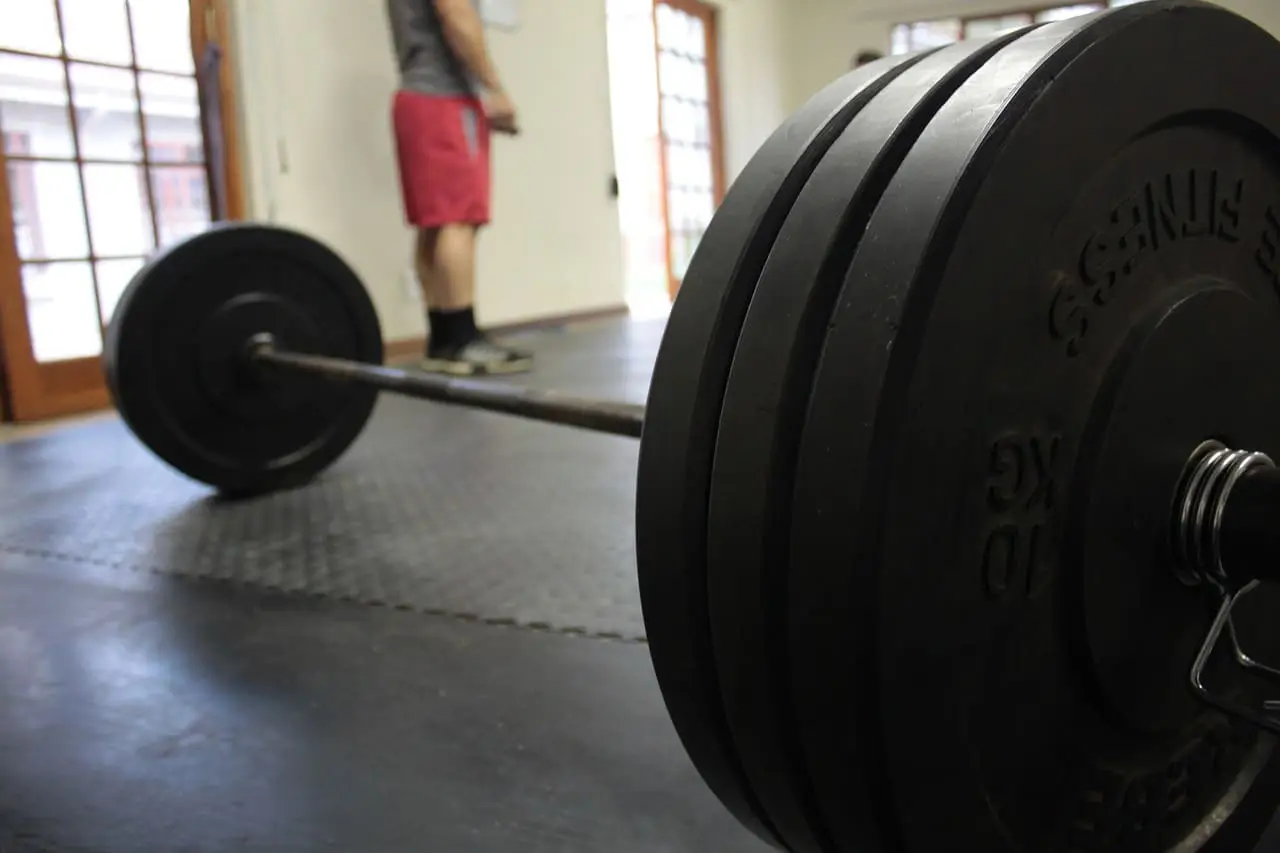
While compression gear may not directly increase muscle strength, it can support strength-building efforts by allowing athletes to train harder and recover faster. By stabilizing muscles and joints and enhancing proprioception, compression garments may help maintain strength and power output during workouts—especially during high-volume or repeated sessions.
Research has shown that compression garments were effective in enhancing recovery from muscle damage and may improve strength endurance and power maintenance during training (Engel et al., 2016). Though performance benefits can vary among individuals, the indirect effects—such as reduced fatigue, improved joint alignment, and decreased injury risk—can contribute meaningfully to strength development over time.
Improved Proprioception and Joint Stability
Compression garments enhance sensory feedback from the skin and underlying tissues, which can improve body awareness and movement control during strength exercises. This increased proprioceptive input helps athletes maintain better form and alignment, potentially reducing the risk of injury.
Who Can Benefit from Compression Gear?
Athletes
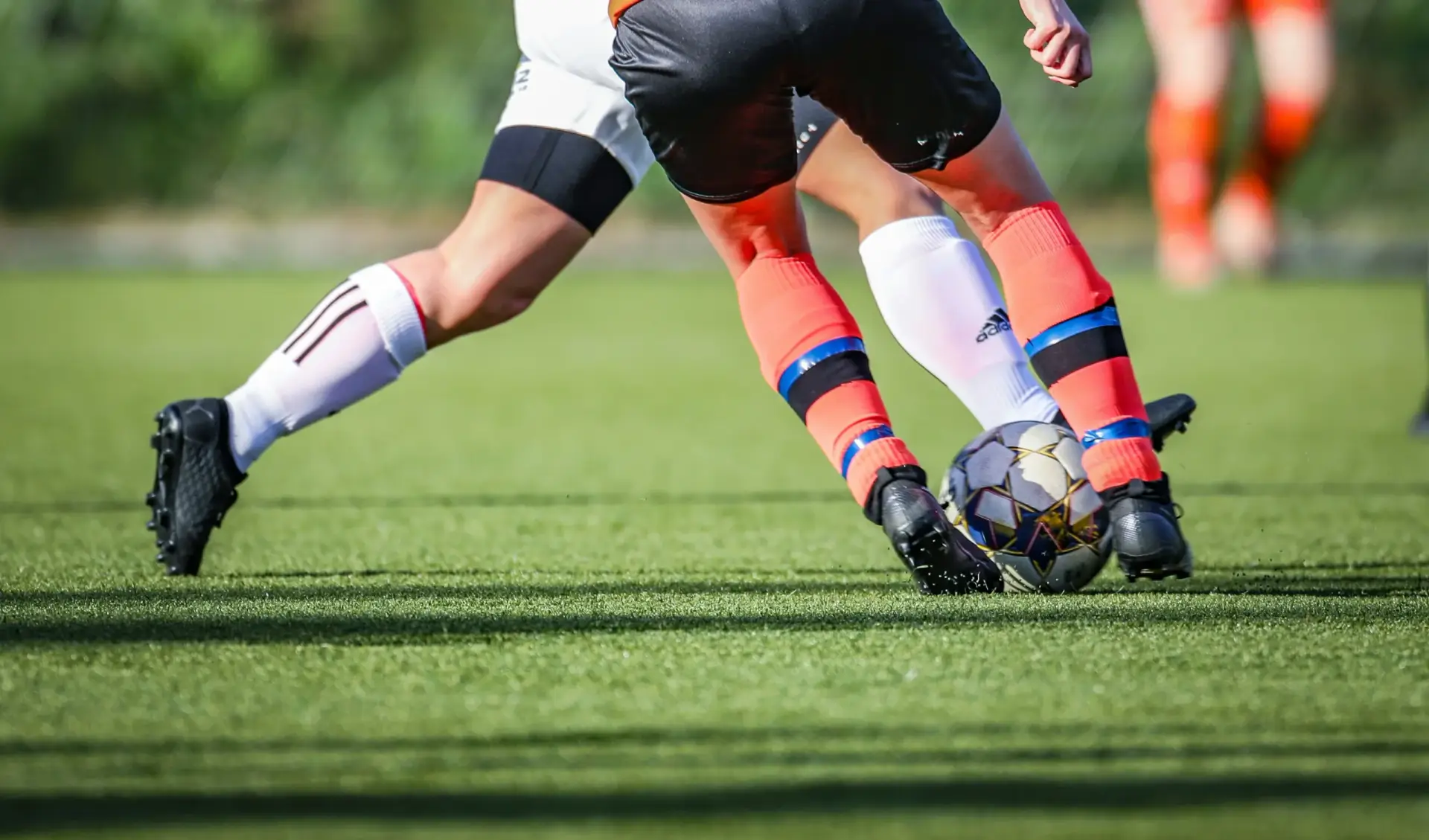
For athletes in sports that demand explosive power, speed, and multidirectional movement—such as soccer, hockey, football, or track and field—compression gear offer targeted support that can enhance performance, generate force more efficiently and reduce the risk of overuse injuries.
- Endurance athletes benefit from improved circulation and reduced muscle fatigue.
- Strength athletes use compression to aid in explosive movements.
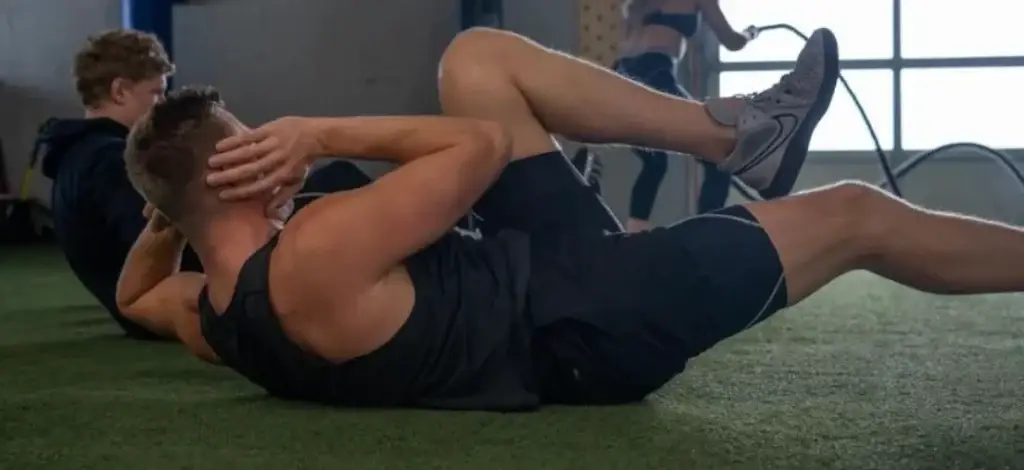
- Recreational athletes and weekend warriors wear compression gear for muscle support and injury prevention. Whether you’re lifting weights, attending a HIIT class, or going for a run, the added support can help improve posture, reduce fatigue, and enhance movement quality.
Injury Prevention and Rehabilitation
Physiotherapists frequently recommend compression gear as part of injury rehabilitation. It provides external support to muscles, tendons, and ligaments, making it beneficial for:
- Recovering from sprains and strains
- Reducing post-injury swelling
- Preventing re-injury by stabilizing joints and muscles
If you’re recovering from an injury and looking for ways to enhance your recovery process, a physiotherapy consultation in Oakville or Burlington can help determine if compression gear is the right solution for you.
Who Else Can Benefit from Compression Gear?
Beyond athletes, many individuals can experience benefits from wearing compression garments. Some common examples include:
- Office workers who sit for extended periods
- Pregnant women experiencing leg swelling
- Travelers on long-haul flights
- Individuals with circulatory conditions such as varicose veins or lymphedema
If you live in Oakville or Burlington and experience discomfort due to prolonged sitting, standing, or medical conditions, compression gear might be an effective solution.
Compression Garments vs. Traditional Athletic Wear
Unlike traditional athletic wear, compression garments are designed to provide functional benefits beyond comfort and style. Compression clothing applies targeted pressure, supporting muscles and reducing the risk of strains and sprains.
How to Choose the Right Compression Gear for Your Needs
Not all compression gear is created equal. Here’s what to consider:
- Fit: Compression garments should be snug but not overly tight.
- Material: Breathable, moisture-wicking fabric is ideal for prolonged wear.
- Purpose: Choose gear suited for your sport or specific injury recovery needs.
If you’re unsure which type of compression gear is right for you, consult with one of our physiotherapists in Oakville or Burlington for recommendations based on your activity level and needs.
How to Incorporate Compression Gear Into Your Training Routine
To maximize benefits, wear compression gear:
- During workouts to improve performance
- Post-exercise to enhance recovery
- While traveling or working to prevent swelling and discomfort
Sheddon Physiotherapy’s Expertise in Sports Performance and Recovery
At Sheddon Physiotherapy, we specialize in helping athletes and active individuals improve performance and recover from injuries. Whether you’re interested in strength training, injury prevention, or post-workout recovery, our team in Oakville and Burlington can provide expert guidance. Contact us today to learn how physiotherapy and compression gear can support your health and fitness goals.
We are located less than 10 min from Sheridan College Oakville and 6 min East of Oakville Place.
The Burlington physio clinic is located only 2 min south of IKEA Burlington and 6 min north of Burlington Golf & Country Club, on Plains Rd East.